
Macular xanthophylls | Lutein & Zeaxanthin | Zeaxanthin Lutein Absorption | Role of Antioxidants
Macular xanthophylls, perhaps better known as lutein and zeaxanthin, are well known for their role as protectors against age related macular degeneration (AMD). Research at the University of Georgia is also finding that lutein and zeaxanthin supplementation can help people with healthy vision. Taking dietary supplements high in lutein and zeaxanthin will boost one’s ability to deal with glare and helps people recover more quickly from blinding flash of light. One more reason to boost your intake of these great little compounds? They have been linked to improved cognitive health in older adults.
Read More »
Women under 75 | Annual Survey | Vitamin D3 | D Sources
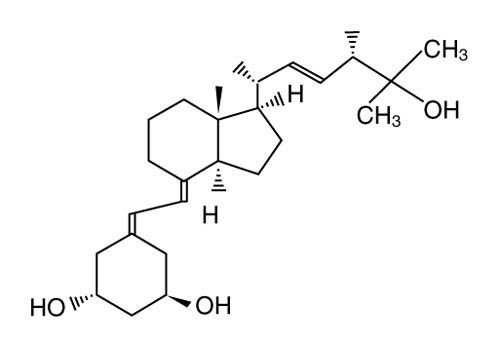
Vitamin D – and the fact that so many people are deficient in this vital compound – has been in the news a lot lately. A lack of vitamin D has been linked to asthma in children, the development of cancers, cognitive impairment, and increased risk of cardiovascular diseases.
Vitamin D impacts the health of the eyes as well.
A number of studies show that low vitamin D3 levels correspond to an increase in the incidence of age related macular degeneration.
Read More »

Uveitis means “inflammation of the uvea,” an inner layer of the eye, that can result in severe and permanent vision loss. In addition, uveitis can lead to other ocular complications including glaucoma, cataracts, or retinal damage all of which can severely damage the eyes. Early detection and treatment is necessary to reduce the risk of permanent vision loss.
A study published in the British Journal of Ophthalmology examines cases of the condition in children. The study found that the younger a child is when he develops the disease, the more likely he is to have complications.
Read More »
Glaucoma’s progress can be slowed as the result of taking the antioxidants vitamin E and N-acetyl cysteine.
A study published in Investigative Ophthalmology and Visual Science describes how reducing or reversing oxidation within the eyes may lead to the healing of the trabecular meshwork or outflow pathway in glaucoma patients. As the name suggests, antioxidants (like vitamin C and N-acetyl cysteine, which is found in eggs) combat the natural process of oxidization.
According to the study, the free radicals that result from the oxidation process lead to the destruction of the trabecular meshwork, which can lead to increased ocular pressure and glaucoma. (Issue: 49:1447-58, 2008)
Read More »
Natural Eye Care, Inc.
3 Paradies Lane
New Paltz, New York 12561
Phone: 845.475.4158

NaturalEyeCare™ started in 1999 to help the public and professionals learn about complementary care in eye disease treatment.
The information and recommendations we offer are based on over 30 years of peer review research and personal clinical experience which guides us in providing a valuable resource to our readers, customers and patients regarding maintaining healthy vision naturally.
We believe that vision health is intimately connected to overall mental, physical and spiritual health. Therefore we encourage people to look at their overall lifestyle and diet as part of keeping healthy vision and reducing the risk of eye disease onset. This includes diet, regular exercise, and management of daily stress. If one has health issues such as high blood pressure, a thyroid imbalance, any autoimmune disease and/or are on medication(s), these possible contributions to eye disease should considered when working with your health care professional.
Please do not hesitate to call us at 845.475.4158 with any questions and concerns.