
Lion’s Mane mushrooms have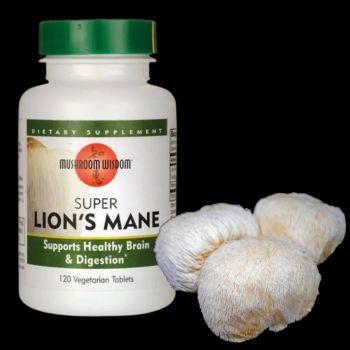 gained attention in natural medicine because it appears to support the body in several important ways at once. For those of us interested in protecting the brain, calming inflammation, and supporting healthy nerve function as we age, Lion’s Mane is one of the most interesting mushrooms in the natural health world.
At Natural Eye Care, we believe that the health of the eyes is closely connected to the health of the brain and entire body. Healthy vision depends on healthy circulation, healthy nerves, a healthy brain, and a balanced inflammatory response. That is one reason Lion’s Mane deserves attention. It may offer meaningful support for the systems that help us maintain clarity, function, and resilience over time.
Read More »
 Got high cholesterol? If you are concerned about the side effects of statin drugs, you might not need to worry. A massive study found that most statin side effects are not caused by the drugs. Statins were heralded as a miracle solution for high “bad” cholesterol when they were introduced in 1987. High LDL cholesterol levels increase the risk of heart attacks and stroke. They lowered LDL cholesterol levels by 30% to 50%. However, many physicians were reluctant to prescribe these drugs due to their purported side effects, including muscle aches and weakness, liver damage, a slight increase in blood sugar, digestive issues, headaches, memory loss, and more.
Read More »
 You’ll often hear that GMO foods are “safe.” But that simple headline skips the part many shoppers care about most: in the U.S., many GMO/bioengineered crops are designed to work with specific herbicides. So the real-world question for consumers isn’t only “Is the genetic change safe?”—it’s also “What farming chemicals and residues tend to come with these GMO/bioengineered crops, and how do I reduce exposure?”.1
This guide breaks down what GMO and bioengineered mean, why herbicide-tolerant GMO/bioengineered crops are controversial, and exactly what to look for on packages and ingredient lists.2
Read More »
 Scientific studies strongly suggest that artificial sweeteners, once thought to be safe alternatives to sugar, are linked to significant health risks. Key findings include increased risks of cardiovascular disease, stroke, type 2 diabetes, metabolic syndrome, cognitive decline, and potential carcinogenicity.1 2 Artificial sweeteners discussed include erythritol, sucralose, and aspartame, which can alter gut microbiota,3 increase inflammation, and cause blood clotting.
Read More »
 Reading at night is recommended for health and improved sleep, compared with staring at electronic screens. Studies show that nighttime reading can improve sleep quality, lower stress, and reduce exposure to blue light, which can disrupt melatonin.1 Using phones, laptops, tablets, and televisions close to bedtime can make it tougher to drift off. The blue-leaning light they emit can interfere with your body’s natural “time to sleep” signals.2
Read More »
 A large body of scientific research backs up the claim that astaxanthin is great for your body. As a potent antioxidant, astaxanthin scavenges free radicals that cause cellular damage. This benefits many parts of the body, including your skin, eyes, and brain. What is astaxanthin? Where does it come from? And what does the latest research say about its benefits?
Astaxanthin is a marine xanthophyll carotenoid primarily produced by microalgae like Haematococcus pluvialis. Dietary astaxanthin can be obtained through seafood, including salmon, trout, shrimp, and krill.
Read More »
 Brain fog means that you walk into a room and forget why you’re there. You reread the same sentence because the meaning does not sink in. Or you cannot find the words mid-conversation, even though you know what you want to say. If you are a senior who is experiencing brain fog, how can you improve it? And how does it affect your vision health?
A scientific report associated brain fog with the words “‘forgetful,’ ‘cloudy,’ and ‘difficulty focusing, thinking, and communicating’.”1 The decreased cognitive abilities we call “brain fog” can include slow or hazy thinking, confusion, lack of motivation to exercise, difficulty concentrating, trouble remembering things, difficulty focusing, irritability, anxiety, headaches, insomnia, and low motivation.
Read More »
 If you’ve been diagnosed with an eye condition later in life, you’ve probably noticed that most “eye health” conversations focus on vitamins.1 Those can be important, but researchers are also exploring a different strategy: helping retinal cells survive stress.2
Read More »
Vitamin D is often called the “bone vitamin,” but that’s only part of the story. Vitamin D3 (cholecalciferol) also influences systems your eyes rely on every day—especially as we get older: inflammation control, immune regulation, oxidative stress protection, and even how the body manages blood vessel growth.
And here’s the real-world issue: most people don’t get enough vitamin D consistently. Food sources are limited, sunlight is seasonal and complex (plus many of us avoid it for skin health), and modern indoor life takes care of the rest.
Read More »
Natural Eye Care, Inc.
3 Paradies Lane
New Paltz, New York 12561
Phone: 845.475.4158

NaturalEyeCare™ started in 1999 to help the public and professionals learn about complementary care in eye disease treatment.
The information and recommendations we offer are based on over 30 years of peer review research and personal clinical experience which guides us in providing a valuable resource to our readers, customers and patients regarding maintaining healthy vision naturally.
We believe that vision health is intimately connected to overall mental, physical and spiritual health. Therefore we encourage people to look at their overall lifestyle and diet as part of keeping healthy vision and reducing the risk of eye disease onset. This includes diet, regular exercise, and management of daily stress. If one has health issues such as high blood pressure, a thyroid imbalance, any autoimmune disease and/or are on medication(s), these possible contributions to eye disease should considered when working with your health care professional.
Please do not hesitate to call us at 845.475.4158 with any questions and concerns.