
 Protecting your vision doesn’t have to be complicated or costly. Decades of peer‑reviewed research show that specific nutrients—especially antioxidants, carotenoids, and omega‑3 fatty acids—can help maintain healthy eyes and reduce the risk of common conditions like cataracts, age‑related macular degeneration (AMD), glaucoma, and diabetic retinopathy. While a colorful, nutrient‑dense diet is foundational, therapeutic levels are often difficult to reach through food alone. This guide summarizes key nutrients, food sources, and targeted supplements, drawing on nearly 25 years of research curation at Natural Eye Care and over 45 years of clinical experience by Dr. Marc Grossman.
Read More »
 Love chocolate? You’re not alone—and science is on your side. Cocoa flavanols and dark chocolate aren’t just delicious treats; they’re packed with natural compounds that can benefit your heart, brain, and even your vision. In this article, we examine the latest research on cocoa flavanols and other plant-based nutrients, revealing how your favorite indulgence may actually support your long-term health. Read on to discover how these everyday foods can make a real difference for your cardiovascular, cognitive, and eye health.
Read More »
 Cognitive issues are not only affecting seniors as they are living longer, but a new study shows that more younger Americans, ages 10–39, are struggling with cognitive problems than just a decade ago. Issues include trouble concentrating, remembering, or making decisions.1
Read More »
 Artificially sweetened sodas are popular, but research suggests their ingredients may have serious consequences for our health, especially when it comes to fatty liver disease, heart health, and brain function. In this article, we take a closer look at the latest studies on diet sodas, added sugars, and their surprising effects on everything from your gut microbiome to your risk for chronic disease. If you care about long-term wellness or want to make informed choices about what you drink, read on for the evidence and practical alternatives.
Read More »
 Did you know that periodontal disease and cavities are significant threats to oral health? In children, tooth decay is about five times more prevalent than asthma, and seven times more common than inhaled allergies. Adults lose teeth mostly from untreated periodontal disease. Untreated oral disease has resulted in 15% of people over the age of 65 having all their teeth removed.1 Severe tooth loss resulting in fewer than 8 teeth remaining affects 26% of seniors.2 Untreated tooth decay in permanent teeth plagues 53 million adults in America.
Read More »
 The brain and eyes are intimately connected, and the nutrients essential for eye health are the same as for brain health. A retinal scan can detect the early onset of Alzheimer’s Disease, Parkinson’s Disease, and Multiple Sclerosis before symptoms appear.
Numerous studies have shown that dietary factors help prevent brain and eye disease. They have a critical effect on neuronal function and synaptic plasticity. Recent findings have shed light on key processes through which nutrition influences brain health and cognitive performance. Alongside lifestyle factors like physical activity, what we eat has played a significant part in the development of our mental abilities and the evolution of the human brain.
Read More »
Ask the Experts at Natural Eye Care. Request free phone advice by calling us at 845.745.4158 or emailing us at [email protected]
Read More »
Vision Fitness in Minutes a Day!
Download Exercises to Keep the Eyes Healthy & learn how to:
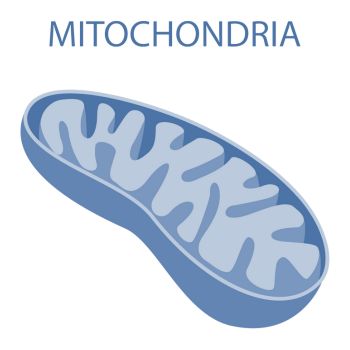
Mitochondria, often called the “powerhouses” of our cells, are vital for maintaining healthy eyes and brain function. These tiny organelles generate over 90% of the energy our cells need, especially in energy-hungry organs like the brain and eyes. When mitochondria become dysfunctional, it can trigger cell death and contribute to a wide range of health problems—from vision loss and neurodegenerative diseases to muscle weakness and heart issues. In this post, we’ll explore how mitochondrial health influences your eyes and brain, highlight the latest research on mitochondrial disorders, and share practical nutrients and lifestyle tips to help you support these essential cellular engines.
Read More »

Studies continue to show strong connections between eye health and brain diseases, with the retina offering a “window” to the brain for early detection and monitoring of conditions. Early signs of diseases that can appear in the eyes include Alzheimer’s Disease, Multiple Sclerosis (MS), and Parkinson’s. Changes in retinal nerve fiber, pupil dilation, and even protein deposits in the eye, such as amyloid beta, can mirror changes occurring in the brain, providing potential non-invasive diagnostic tools and insights into disease progression.
Read More »
Natural Eye Care, Inc.
3 Paradies Lane
New Paltz, New York 12561
Phone: 845.475.4158

NaturalEyeCare™ started in 1999 to help the public and professionals learn about complementary care in eye disease treatment.
The information and recommendations we offer are based on over 30 years of peer review research and personal clinical experience which guides us in providing a valuable resource to our readers, customers and patients regarding maintaining healthy vision naturally.
We believe that vision health is intimately connected to overall mental, physical and spiritual health. Therefore we encourage people to look at their overall lifestyle and diet as part of keeping healthy vision and reducing the risk of eye disease onset. This includes diet, regular exercise, and management of daily stress. If one has health issues such as high blood pressure, a thyroid imbalance, any autoimmune disease and/or are on medication(s), these possible contributions to eye disease should considered when working with your health care professional.
Please do not hesitate to call us at 845.475.4158 with any questions and concerns.