
 We are exposed to blue light daily when we over-use computers, smartphones, tablets, and televisions. We also get blue light from the sun, and LED and fluorescent lights The risks associated with blue-light exposure increase with the duration of exposure. Therefore, take steps to keep your eyes safer. We will explain research on blue light and macular degeneration, and provide tips for reducing blue light exposure.
 Oxidative stress happens everywhere in the body and can create havoc over time. Many eye and brain diseases are triggered or exacerbated by oxidative stress. The body counteracts this stress by producing antioxidants. However, you must also ingest additional antioxidants through healthy food, drinks, and supplements. Green tea, rich in antioxidants, offers protective benefits for eye health by combating oxidative damage.1 At pennies per cup, this convenient and tasty beverage has been studied for its special antioxidant properties. What are the green tea benefits for seniors? Read on to find out.
Read More »
 The macula, located at the center of the retina, plays a vital role in providing sharp, central vision necessary for tasks like reading, driving, and perceiving fine details. However, when a hole forms in the macula, it can lead to central vision becoming distorted, darkened, or even lost over time if left untreated. In the United States, macular holes are relatively rare, with a prevalence of approximately 0.33% among individuals over the age of 55. The condition becomes more common as patients enter their 70s.
Read More »
 Staying hydrated is an essential part of maintaining health. Drinking healthy fluids throughout the day helps the body detoxify and is critical in maintaining temperature control and proper blood viscosity. Seniors, in particular, generally do not drink enough water.
Why are we told to stay hydrated for our health? At Natural Eye Care, we care about the eyes and the body. Thus, keeping the body’s fluid balance is part of maintaining vision health. While 60% of the human body is composed of water, the eye is 98% water. Dehydration impairs the functioning of all systems in the body. Overhydration is also dangerous. In this article, we discuss the benefits of hydration, the deleterious effects of chronic dehydration, and how much water you need to drink.
Read More »
 Retinal scans are proving to be an effective way to detect early signs of diseases like diabetes, multiple sclerosis, and dementia. They can sometimes detect disease before symptoms appear. The best news about retinal scans is that they are painless and non-invasive. You may have looked into machines that scan the retina at your optometrist or eye surgeon’s office. Why are retinal scans helpful for detecting diseases that are not, technically, eye diseases? How is the retina connected to the brain and brain health?
Read More »
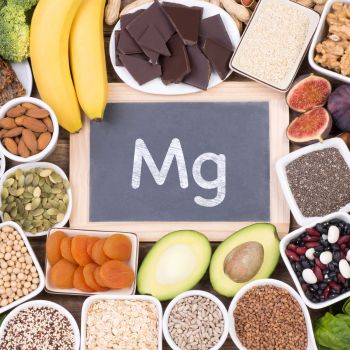 As part of our series on essential nutrients and vision health, we will focus on Magnesium and why it is an essential nutrient for good health.
Magnesium (Mg), a highly abundant element in the body, plays a vital role in cellular balance. It supports the metabolism of various minerals, nitric oxide, and numerous enzymes essential for maintaining equilibrium within cells.
Read More »
 When tiny plastic particles pollute the ecosystem, can they cause harm? If so, can you do anything? At Natural Eye Care, we have mined the research on the effects of microplastics and nanoplastics on human health. Read on to find out what they are, how they affect living organisms, and how to reduce your exposure.
 Diabetic retinopathy is a leading cause of blindness among adults. Poor blood sugar balance can damage nerves, so nerve support is crucial for people with diabetes. Diabetic retinopathy is a serious eye condition stemming primarily from imbalances in blood sugar levels. When blood sugar is not properly managed, the body’s delicate nerve tissues, including the retina, can be injured.
At Natural Eye Care, we have examined the research on nutrients that help protect the eye, including the retina and blood flow to the eye. Research has identified oxidative stress and inflammation as key contributors to the onset and development of numerous eye conditions.
Read More »
 We might not connect our eating habits to eye disease, but poor nutrition impairs circulation. Reduced circulation can contribute to eye diseases, including cataracts, glaucoma, retinal vascular occlusions, ischemic optic neuropathy (ION), dry eyes, macular degeneration, and diabetic retinopathy. Instead of being a “victim” of eye diseases in your senior years, you can take charge of your health today!
Read More »
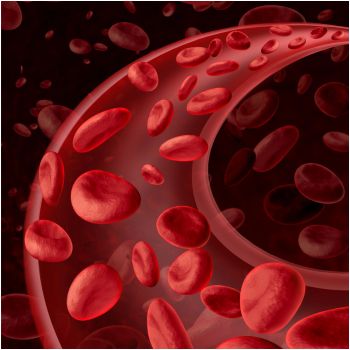 Poor circulation significantly contributes to eye diseases, including macular degeneration, glaucoma, and diabetic retinopathy. Heart disease and diabetes lead to poor circulation. Our eyes and brain require the most oxygen and nutrients, so they need healthy blood circulation. In this article, we will explore the connections between age-related macular degeneration (AMD) and poor circulation. We will also examine the relationship between heart disease and glaucoma. Additionally, we will discuss how diabetes affects circulation and leads to diabetic retinopathy.
Read More »
Natural Eye Care, Inc.
3 Paradies Lane
New Paltz, New York 12561
Phone: 845.475.4158

NaturalEyeCare™ started in 1999 to help the public and professionals learn about complementary care in eye disease treatment.
The information and recommendations we offer are based on over 30 years of peer review research and personal clinical experience which guides us in providing a valuable resource to our readers, customers and patients regarding maintaining healthy vision naturally.
We believe that vision health is intimately connected to overall mental, physical and spiritual health. Therefore we encourage people to look at their overall lifestyle and diet as part of keeping healthy vision and reducing the risk of eye disease onset. This includes diet, regular exercise, and management of daily stress. If one has health issues such as high blood pressure, a thyroid imbalance, any autoimmune disease and/or are on medication(s), these possible contributions to eye disease should considered when working with your health care professional.
Please do not hesitate to call us at 845.475.4158 with any questions and concerns.