
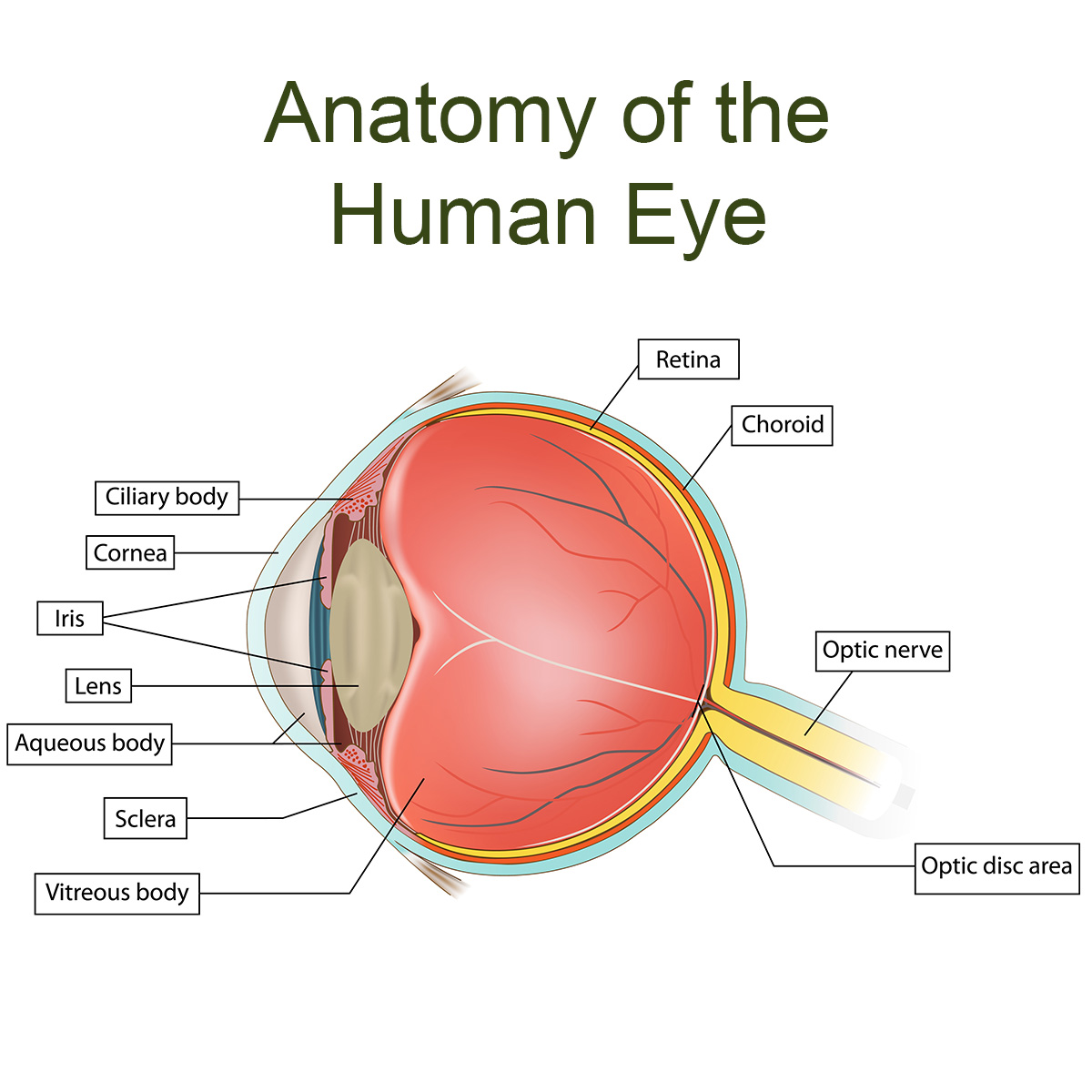
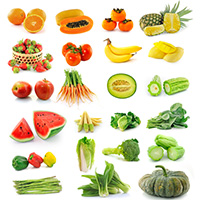
 The eyes are small, but they have many parts including the eyelids, sclera, cornea, lens, optic nerve and retina. We depend heavily on our vision. When something goes wrong, the eyes are disproportionately affected. For example, a senior at risk of heart disease is also at risk of an ocular arterial or vein occlusion. Also, the macula requires a yellow-colored nutrient (lutein and zeaxanthin) found in certain vegetables such as green leafy vegetables, red, yellow and green peppers, corn and eggs. And antioxidants found in fresh fruits and vegetables have been shown to reduce oxidative eye damage and eye disease.
Read More »
 Current research on genetic eye diseases focuses mostly on genetic therapies. Scientists have learned how to sequence DNA at a relatively low cost. New tools for modifying genetic materials, such as the CRISPR, have opened the door for new treatments and even cures. Certain eye disorders are caused by mutated genes and genetic predispositions. This article highlights current research into four genetic eye disorders:
Read More »
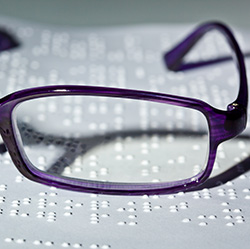 The rare eye disease Leber Congenital Amaurosis, caused by a defective gene, has a new genetic treatment. This is the first time the US Food and Drug Administration has approved gene therapy for an inherited disease.
The RPE65 gene provides a blueprint for a protein that makes light receptors work properly. Individuals with a defective RPE65 gene eventually go blind. Eye doctors may diagnose them with Leber
Read More »
 Have you ever heard that your eyes need plenty of nutrition? It’s true, and research backs this up. But did you know that the Standard American Diet tends to be very low in some eye-essential nutrients? The eyes are the second most physiologically active part of our body (#1 is the brain). At Natural Eye Care, we believe the eyes require approximately 25% of the nutrients we take into our body, if we eat a healthy diet. Even though most Americans consume enough calories, we may still have poor nutrition for the eyes. No wonder Macular Degeneration, cataracts, glaucoma, optic nerve
Read More »
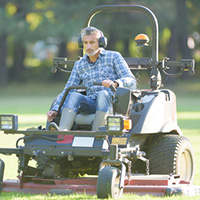 Sunlight is critical for overall well-being. Through an intricate process it enables the body to produce essential vitamin D. We only need 20 minutes of sunlight a day. But sunlight also contains UV radiation.
Unprotected over exposure to sunlight can eventually result in oxidative damage to the retina and other eye tissue such as the eye lens and sclera causing many eye problems as well as skin cancer. You can help protect your eyes by wearing 100% UVA/UVB protecting sunglasses when outside (particularly wraparound glasses with amber or brown lenses that are polarized to reduce glare).
Read More »
 Macular edema is a swelling of the macula, the part of the eye responsible for central vision. When fluid builds up in the macula, it becomes swollen and thicker. This distorts vision. There are several causes, including diabetic retinopathy, post-eye surgery complications, macular degeneration, injury, systemic inflammatory diseases that can affect the eye, and/or vein blockages. If an eye disease causes damage to blood vessels in the retina, it can cause macular edema. Left untreated, this problem can cause serious vision loss and even blindness.
An eye doctor will direct your care should macular
Read More »
 Acupuncture has been used for millennia to treat eye disease. Today, acupuncture can help preserve vision for those with a wide range of eye conditions including macular degeneration, glaucoma, eye floaters, dry eyes, cataracts and much more. Part of Traditional Chinese Medicine, acupuncture involves a practitioner inserting tiny needles into the skin. It is licensed and regulated by most states in the US. How does acupuncture work, and what are its effects on supporting eye conditions? What could you expect from acupuncture treatments? What can you do at home?
Natural Eye Care owners Michael Edson, L.Ac. and Marc Grossman, OD, L.Ac are both licensed acupuncturists specializing in the eye; Dr. Grossman is also a Doctor of Optometry. Here are the answers to these questions and more.
Read More »
 Stargardt’s Disease and Retinitis Pigmentosa are genetic eye diseases that involve the metabolism of vitamin A. However vitamin A has a different impact on the course of each disease. A recent study1 examined the total intake of vitamin A in both types of patients. It found that:
 Rod-Cone Dystrophy is a genetically-based deterioration of vision caused by damage to the photoreceptors in the eye. Rods and cones are the photoreceptor cells in the retina that give us daytime and night time vision. Genes that provide the blueprint for manufacturing proteins crucial to the eye’s rods and cones are damaged. Without enough of these proteins, vision deteriorates and blindness may result.
Much of the current research into rod-cone dystrophy is focused on genetic research. Scientists are busy identifying the faulty genes and how they function. Stem cells or other genetic therapy offers hope for a treatment and possibly cure in the future. In the meantime, nutritional and lifestyle choices may
Read More »
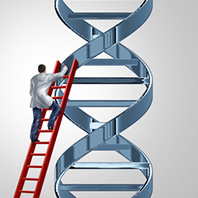 An animal study has shown gene therapy to be effective even in the later stages of retinitis pigmentosa, which gives hope to more patients of this often inherited condition. This eye disease affects approximately 1 in 4,000 people. Up to 20% of these patients have X-linked retinitis pigmentosa. These individuals, mostly male, have night blindness before they enter puberty, and gradual vision loss by middle age. Around 70% of them have a genetic mutation that prevents the correct production of a protein important for the health of the photo receptors.
The study looked at dogs who naturally
Read More »
Natural Eye Care, Inc.
3 Paradies Lane
New Paltz, New York 12561
Phone: 845.475.4158

NaturalEyeCare™ started in 1999 to help the public and professionals learn about complementary care in eye disease treatment.
The information and recommendations we offer are based on over 30 years of peer review research and personal clinical experience which guides us in providing a valuable resource to our readers, customers and patients regarding maintaining healthy vision naturally.
We believe that vision health is intimately connected to overall mental, physical and spiritual health. Therefore we encourage people to look at their overall lifestyle and diet as part of keeping healthy vision and reducing the risk of eye disease onset. This includes diet, regular exercise, and management of daily stress. If one has health issues such as high blood pressure, a thyroid imbalance, any autoimmune disease and/or are on medication(s), these possible contributions to eye disease should considered when working with your health care professional.
Please do not hesitate to call us at 845.475.4158 with any questions and concerns.