
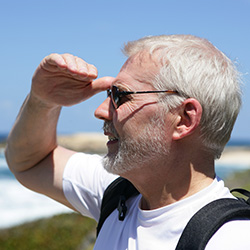
 Natural Eye Care has announced a new supplement package aimed at protecting the eyes from blue light damage and supporting night vision. A significant body of scientific research has shown that the ingredients are helpful to the eyes. The “Blue Light Protecting/Night Vision Supplement Package” contains two formula with specific nutrients to help protect the eyes from blue light and UVA exposure (as well as supporting overall eye health): Dr. Grossman’s Advanced Eye and Vision Support Eye Formula and Astaxanthin in a therapeutic dose.
Read More »
 The main indicator of age at first glance is facial wrinkles. Seniors who wish to maintain a youthful appearance are tempted to purchase wrinkle creams and supplements. Before buying, consumers should look at objective research. One supplement called astaxanthin has been shown in small studies to reduce wrinkling and enhance the skin. Astaxanthin is also excellent for the eyes. What is Astaxanthin made from? What are the benefits to the eyes and skin?
Read More »
 Astaxanthin is a superfood for the eyes, but our absorption rates are low. Only about half of the astaxanthin we ingest is usable by the body.1 Astaxanthin is prized for easily crossing the blood/eye barrier and providing antioxidants to the eyes. These free radical fighters help prevent and support a wide variety of age-related eye diseases. A supplement company has added harmless emulsifiers called “phospholipids” to astaxanthin to increase absorption.
Read More »
 Eye vitamins are crucial to vision health. In fact, the eye is the most vitamin-hungry organ in the body proportional to its size. It is the second most physiologically active part of our body only second to our brain. We believe the eyes require approximately 25% of the nutrients taken into the body to maintain full health. Any less may eventually result in eye diseases such as macular degeneration, glaucoma and cataracts.
Many seniors suffer from these eye diseases. A lifetime of eye stressors, including excessive sunlight and poor diet, catches up with seniors. They also have less efficient digestion, poorer circulation and may have risk factors such as diabetes, long-term smoking, and lack of exercise. Dr. Grossman, a New York-based
Read More »
 Is it possible to prevent cataracts, or even reverse cataracts? Can you put off cataracts surgery? Cataracts are one of the most common eye diseases in seniors. More and more people have a special “glint” in their eye when the light hits the lens just right. What is the value of preventing cataracts and other eye diseases?
 Carotenoid supplements could mitigate the deleterious effects of electronics screens on sleep, visual performance, and macular pigment density. Eyes that are glued to screens most of the day are exposed to excessive blue light. In a recent study1, subjects who took a combination of macular carotenoids — lutein, zeaxanthin, and mesozeaxanthin — reported better sleep patterns, reduced eyestrain and fewer headaches. They also had better visual performance and higher macular pigment optical density.
Read More »
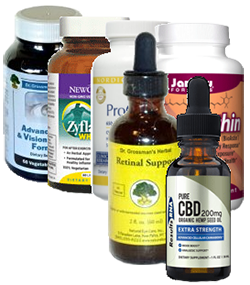 More and more research is pointing to inflammation as playing a role in a wide range of diseases. Alzheimer’s disease, heart disease, cancer, and arthritis, and even the visible signs of aging are all linked to chronic inflammation. Autoimmune disorders such as rheumatoid arthritis, multiple sclerosis, lupus, and Sjogren’s Syndrome can damage the eyes. Also, major eye diseases including Inflammatory (Uveitic) Glaucoma and Wet Macular Degeneration involve inflammation. Anti-inflammatory supplements can help tackle these conditions.
Therefore, Dr. Grossman at Natural Eye Care has developed the Anti-Inflammatory Eye
Read More »
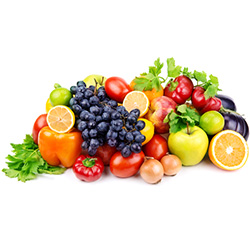 The links between antioxidants and vision health are strong. Antioxidants are the antidote to oxidization. Normal metabolism creates free radicals. These are atoms that lack an electron. Free radicals roam about the body, scavenging electrons and stealing electrons from healthy cells. This results in permanent damage to these afflicted cells which ultimately can result in disease. Significant research has shown that antioxidants protect against this cellular damage and are essential for maintaining health. The eye is especially vulnerable to free radical damage. Therefore, providing the body with sufficient antioxidants
Read More »
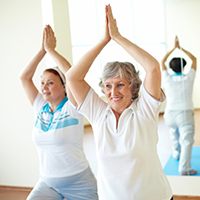 As we age, our chances of developing a serious vision problem increase significantly. More than half of people over the age of 70 years old have an eye condition such as cataracts, glaucoma, and macular degeneration; people with diabetes often develop diabetic retinopathy. These limiting conditions decrease the quality of life. Being a retired senior means having time to enjoy life, read, travel, play golf, enjoy hobbies, and socialize with friends and family. However, participating in these activities requires clear vision.
We can learn to help preserve our vision and to become active
Read More »
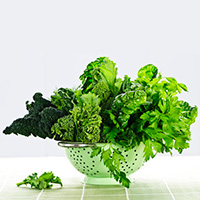 A large study found that people who ate enough leafy greens had a lower risk of getting primary open-angle glaucoma. A large body of research show the positive impact that good nutrition has on vision health. Eating sufficient amounts of vegetables provides the body with important nutrients.
The eye is made from nutrients. Leafy green vegetables are loaded with vitamin K, magnesium, iron, calcium, beta-carotene, carotenoids and other antioxidants, and the eye nutrients lutein
Read More »
Natural Eye Care, Inc.
3 Paradies Lane
New Paltz, New York 12561
Phone: 845.475.4158

NaturalEyeCare™ started in 1999 to help the public and professionals learn about complementary care in eye disease treatment.
The information and recommendations we offer are based on over 30 years of peer review research and personal clinical experience which guides us in providing a valuable resource to our readers, customers and patients regarding maintaining healthy vision naturally.
We believe that vision health is intimately connected to overall mental, physical and spiritual health. Therefore we encourage people to look at their overall lifestyle and diet as part of keeping healthy vision and reducing the risk of eye disease onset. This includes diet, regular exercise, and management of daily stress. If one has health issues such as high blood pressure, a thyroid imbalance, any autoimmune disease and/or are on medication(s), these possible contributions to eye disease should considered when working with your health care professional.
Please do not hesitate to call us at 845.475.4158 with any questions and concerns.