
 Cataracts are a condition where the lens of the eye becomes cloudy. They are common among seniors. Symptoms include:

What is the relationship between brain health and eye health as we age? Our brains adapt and form new connections throughout our lives. Nutrition, lifestyle choices, and early detection play major roles in keeping the brain healthy, and the eyes. Find out about Natural Eye Care’s holistic approach to brain and eye health.
Our brains have an incredible ability to adapt and change as we age. Brain plasticity means that our brains can rewire themselves and form new connections, even as we get older.
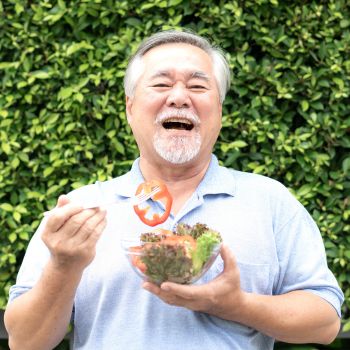 Lutein and zeaxanthin are two important nutrients found in various parts of the body, including the retina and eye lenses. Acting as powerful antioxidants, they are like an internal pair of sunglasses, filtering out harmful UVA/UVB and blue light. Additionally, they aid in reducing night glare, enhancing visual sharpness, and improving color contrast.
Research indicates that boosting levels of these carotenoids can lead to better visual function while also protecting against the onset and advancement of eye conditions like macular degeneration, glaucoma, and other eye diseases.
Read More »
 Getting enough sleep is crucial to your daily life and long-term health. However, many seniors struggle to get sufficient sleep. They also may have difficulty with the quality of sleep. What do the statistics show? How bad is sleep deprivation for your health? And what are some natural solutions?
Sleep comes naturally. So why do we see these shocking sleep statistics?
Read More »
 New research studies have found strong relationships between lifestyle and the aging brain. How can you help prevent or delay Alzheimer’s Disease and other forms of dementia? The eye’s retina is brain tissue. Not surprisingly, researchers have found connections between Alzheimer’s Disease, glaucoma, and lifestyle. What does the new research show? Are nutrition, supplements, exercise, and smoking avoidance shown to help?
 Age-related macular degeneration is an eye disease you do not want to get! One of the treatments is injections directly into the eye on a regular basis. The consequences can be devastating. The loss of central can steal your driving independence and your ability to recognize faces, watch TV, read, do crafts and hobbies, and cook. Research studies on carotenoids and essential fatty acids such as omega-3 fatty acids show hope for preventing and supporting Age-Related Macular Degeneration (ARMD or AMD).
Read More »
 We have written extensively about how excess exposure to blue light can, over time, negatively affect vision. Not only does it affect our vision and ability to fall asleep, but it can also harm skin health, and neural pathways in the brain are affected in various ways.
Blue light is emitted from all handheld electronic devices, desktop and laptop computers, and televisions. It is emitted from the little LED lights above your stove, fluorescent lighting and LED bulbs. And, of course, blue light comes from sunlight.
Read More »
 In the article, we discussed several essential nutrients for the eye and overall health. This follow-up article focuses on several additional important nutrients: astaxanthin, PUFA’s (polyunsaturated fatty acids), and trehalose.
Bird’s Eye View
This article examines several nutrients that are important for the eyes and overall health. The nutrients come in many forms, and all represent building blocks for well-being. They are:
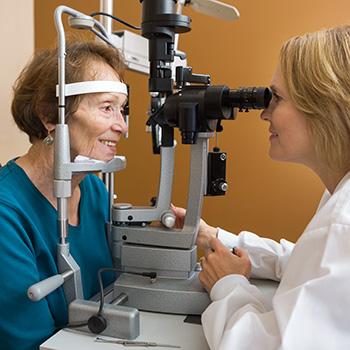 Did you know that there are three nutrients that are fundamental to visual health? Why are they so important?
The top three nutrients for your eyes (and brain) are lutein, zeaxanthin, and mesozeaxanthin. Lutein, zeaxanthin and mesozeaxanthin are primarily found in the macula, that center part of the retina essential for detailed vision. They are found, not only in the macula, but in all of the retina, in the lenses, and in the aqueous humor. People with macular degeneration, other retinal diseases, and cataracts are deficient in these nutrients.
Read More »
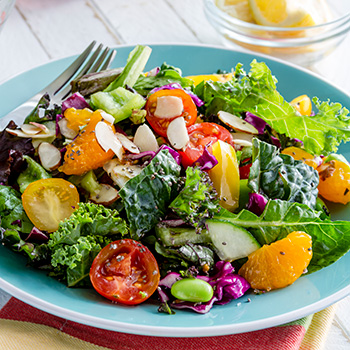 These powerhouses provide a great starting point for your vision nutrition. Lutein and zeaxanthin (along with mesozeaxanthin) are carotenoids, a class of mostly yellow, orange, or red fat-soluble pigments, including carotenes, which give color to plant parts such as ripe tomatoes.
These macular pigments act as an internal pair of sunglasses to protect the retina from the damaging effects of UV radiation and blue light. They support microcirculation in the tiny capillaries within the eye. They protect the functions of the immune and anti-inflammation systems within the different regions of the eye.
Read More »
Natural Eye Care, Inc.
3 Paradies Lane
New Paltz, New York 12561
Phone: 845.475.4158

NaturalEyeCare™ started in 1999 to help the public and professionals learn about complementary care in eye disease treatment.
The information and recommendations we offer are based on over 30 years of peer review research and personal clinical experience which guides us in providing a valuable resource to our readers, customers and patients regarding maintaining healthy vision naturally.
We believe that vision health is intimately connected to overall mental, physical and spiritual health. Therefore we encourage people to look at their overall lifestyle and diet as part of keeping healthy vision and reducing the risk of eye disease onset. This includes diet, regular exercise, and management of daily stress. If one has health issues such as high blood pressure, a thyroid imbalance, any autoimmune disease and/or are on medication(s), these possible contributions to eye disease should considered when working with your health care professional.
Please do not hesitate to call us at 845.475.4158 with any questions and concerns.