

Antioxidants have been found to successfully treat yet another medical condition: pre-eclampsia, a condition experienced by 5% of pregnant women that is marked by abnormally high blood pressure.
According to a study published in the British Medical Journal, taking a dietary supplement containing an amino acid and antioxidant vitamins significantly reduced pregnant women’s chances of developing pre-eclampsia.
The antioxidants found in beverages and foods that contain caffeine seem to protect people against the development of Alzheimer’s disease and heart disease.
In a study published in The Journal of Physical Chemistry B researchers describe how coffee can be on the greatest sources of antioxidants in the modern diet. Scientists do not know exactly how coffee helps to fight the free radicals that can be destructive to eye health and overall health. At this point, they are speculating that caffeine is the agent responsible for coffee antioxidant properties.
Read More »
Glaucoma’s progress can be slowed as the result of taking the antioxidants vitamin E and N-acetyl cysteine.
A study published in Investigative Ophthalmology and Visual Science describes how reducing or reversing oxidation within the eyes may lead to the healing of the trabecular meshwork or outflow pathway in glaucoma patients. As the name suggests, antioxidants (like vitamin C and N-acetyl cysteine, which is found in eggs) combat the natural process of oxidization.
According to the study, the free radicals that result from the oxidation process lead to the destruction of the trabecular meshwork, which can lead to increased ocular pressure and glaucoma. (Issue: 49:1447-58, 2008)
Read More »
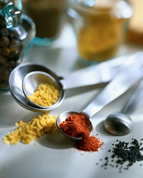
Another major study describes how some of the spices in your kitchen can help treat diabetes.
Garlic, ginger, and turmeric were found to have positive effects on diabetic rats. The study, published in the British Journal of Nutrition (2011), 105: 1210-1217, finds that ingesting these common spices helped the animals who suffered from metabolic syndrome and helped modulate oxidative stress levels.
Rats who took the spices in powder form mixed with water for 28 days showed a 80-97% reduction in metabolic syndrome symptoms. The animals’ insulin production increased by 26-37% and their antioxidant defense systems were boosted by up to 52%.
Read More »
March is the American Dietetic Association’s National Nutrition Month.
This year, the theme is “Eat Right with Color.” That seems particularly fitting since seeing color is one of the things we value most about our eyes. The colors of the foods we eat – we are specifically talking about fruits and vegetables here – are often indicative of the nutrients they will deliver.
Read More »
Free radicals might be a good thing?
At Natural Eye Care, we extol the benefits of antioxidants because they fight the free radicals that lead to oxidation, which in turn cause aging: skin changes such as the appearance wrinkles, and ocular changes, including the development of cataracts and macular degeneration.
Your eyes love antioxidants like those found in bilberry (a close relative to the blueberry) and in high quality supplements.
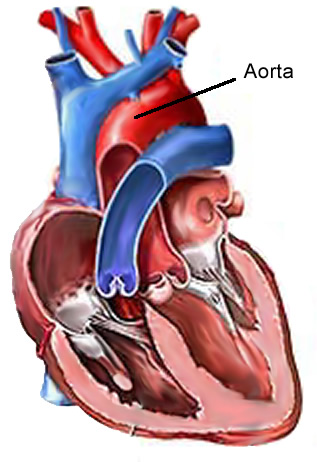
And yet, a new study published in The Journal of Physiology (online 28 February 2011) describes how free radicals are actually essential to the healthy functioning of the heart.
Read More »

Parlez-vous Français?
A new study in the journal Neurology indicates that speaking a second language can help fend off the development of neurological diseases like Alzheimer’s.
Research indicates that those who speak a foreign language are likely to be diagnosed with Alzheimer’s four years later than those who only speak one language. Brain scans indicated that bilingual people demonstrate superior cognitive function even when they have more advanced brain deterioration when compared to their single language speaking counterparts. Previous studies have established that speech and language issues are linked to dementia. Source: https://www.foodconsumer.org/newsite/Non-food/Disease/language_delays_onset_of_dementia_0219110210.html
Read More »
Natural Eye Care, Inc.
3 Paradies Lane
New Paltz, New York 12561
Phone: 845.475.4158

NaturalEyeCare™ started in 1999 to help the public and professionals learn about complementary care in eye disease treatment.
The information and recommendations we offer are based on over 30 years of peer review research and personal clinical experience which guides us in providing a valuable resource to our readers, customers and patients regarding maintaining healthy vision naturally.
We believe that vision health is intimately connected to overall mental, physical and spiritual health. Therefore we encourage people to look at their overall lifestyle and diet as part of keeping healthy vision and reducing the risk of eye disease onset. This includes diet, regular exercise, and management of daily stress. If one has health issues such as high blood pressure, a thyroid imbalance, any autoimmune disease and/or are on medication(s), these possible contributions to eye disease should considered when working with your health care professional.
Please do not hesitate to call us at 845.475.4158 with any questions and concerns.