
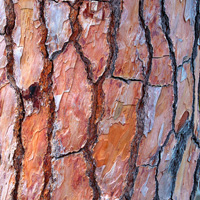
 The effects of extracts of French Maritime pine bark (Pinus pinaster bark extract) have been reviewed in the journal, Research in Pharmaceutical Sciences. The writers explain the damaging role of free radicals which arise from oxidative processes within the body as well as the damage resulting from inflammation and that many studies have demonstrated that such damage can be prevented or limited.
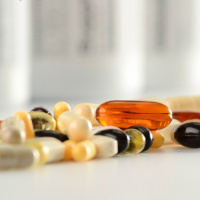 Patients with early signs of age-related macular degeneration (AMD) may benefit from an oral treatment of key nutrients. In a study published in the journal Ophthalmology, a solution of carotenoids with co-antioxidants was shown to both improve vision and slow further degeneration in participants with early AMD.
In the randomized double-masked trial, 433 adults with early AMD who were 55 years of age or older were given either an active solution or a placebo. At the start of the trial, all participants had either early AMD in one eye and late-stage AMD in the other, or early AMD in both eyes. The active oral solution contained
Read More »
 A new study shows that omega-3 fatty acids could help with wet macular degeneration. Macular degeneration is expected to increase by 50% in older adults in industrialized countries by 2020. As the leading cause of vision loss in the elderly, it is a condition of serious significance. The macula is the central part of the retina. While it makes up only about 2% of the total retina, the brain devotes half of its visual processing network to information from the macula. It is responsible for central vision. The retina is a thin layer of nerves
Read More »
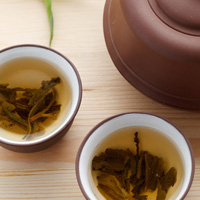 This report, called “Green Tea Catechins and Their Oxidative Protection in the Rat Eye,” is the first to detail how all the eye tissue take in green tea’s antioxidants, called “catechins.” This research may ultimately show how green tea could help stave off glaucoma and other eye diseases.
Antioxidants are important because they attack free radicals, molecules that create oxidative stress. Significant research points to free radical damage as a potential cause of disease, damage and aging to the
Read More »
 New evidence continues to support dietary lutein, carotenoids, zeaxanthin, and meso-zeaxanthin as a means of inhibiting development of age-related macular degeneration (AMD). AMD is the leading cause of loss of vision in Western people over age 55.
A study published in 2010, in Archives of Biochemistry and Biophysics by the Department of Ophthalmology and Visual Sciences at University of Utah, found that production of singlet oxygen in the human retinal pigment epithelium (RPE) and choroid is prevented or reduced by lutein, zeaxanthin, and meso-zeaxanthin, which act as
Read More »
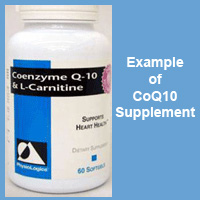 CoQ10 deficiency and supplementation were explained in an article by Michael S. Pepper and his colleagues at the University of Pretoria in South Africa. The article in the March, 2013 issue of Nutrition Reviews covered both primary and secondary coenzyme Q10 (CoQ10) deficiency.
In primary CoQ10 deficiency, the body cannot properly synthesize CoQ10 because of genetic mutations. The gene sequences needed to produce the enzymes are incorrect.
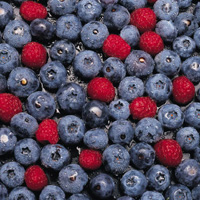 A fruit cup of mixed berries is a powerful snack: deeply colored fruits are filled with flavonoids and other antioxidants that help protect the body from disease. Antioxidants help prevent free-radical damage, which is believed to be responsible for the onset of eye diseases such as cataracts and macular degeneration.
The colored flavonoids found in berries are called “anthocyanins”. These water-soluble pigments make plants shades of red, purple and blue. Berries also contain flavonoids called “quercetin” and “apigenin”. In the field or in the wild, these flavonoids help protect the plant from pests and insects.
 A significant study has found that the deleterious effects of traumatic brain injury in American football players can be mitigated using a natural regimen of weight loss (if needed), fish oil, vitamins, and brain-enhancing supplements including ginkgo biloba. The positive results could help reverse brain damage in contact sport athletes, alcohol and drug addicts, chronic traumatic encephalopathy (CTE) and people who have had brain damage from concussions.
 Should you take extra Vitamin A if you have Stargardt’s Disease? Vitamin A supplementation is frequently recommended for certain eye diseases (AMD and Retinitis Pigmentosa, for example). This nutrient is crucial for rebuilding photoreceptors cells and proper retinal functioning. However, a study on mice published in “Investigative Ophthalmology and Visual Science” indicated that Stargardt’s Disease patients may be damaged by taking Vitamin A.
Natural Eye Care, Inc.
3 Paradies Lane
New Paltz, New York 12561
Phone: 845.475.4158

NaturalEyeCare™ started in 1999 to help the public and professionals learn about complementary care in eye disease treatment.
The information and recommendations we offer are based on over 30 years of peer review research and personal clinical experience which guides us in providing a valuable resource to our readers, customers and patients regarding maintaining healthy vision naturally.
We believe that vision health is intimately connected to overall mental, physical and spiritual health. Therefore we encourage people to look at their overall lifestyle and diet as part of keeping healthy vision and reducing the risk of eye disease onset. This includes diet, regular exercise, and management of daily stress. If one has health issues such as high blood pressure, a thyroid imbalance, any autoimmune disease and/or are on medication(s), these possible contributions to eye disease should considered when working with your health care professional.
Please do not hesitate to call us at 845.475.4158 with any questions and concerns.