
 As we age, how can we prevent or support dementia, Alzheimer’s Disease, and other age-related brain diseases? Looking at the scientific research, much emphasis is on curing neurological disease after it is well-established. Reacting to a crisis is logical, though, after many years of research and money spent, there is still no cure. However, preventing a crisis is even better. Why wait for possible brain deterioration to affect your quality-of-life?
At Natural Eye Care, we have been helping aging adults both prevent and support age-related neurological diseases for 19+ years. The retina in the eye is neural tissue. Therefore, Macular Degeneration and certain other eye diseases are closely linked to the health of the brain. Many of the nutrients researched for supporting the retina and optic nerve can pass the blood-brain barrier. They are essential for maintaining healthy neurological function.
Read More »
 Docosahexaenoic acid or DHA is a naturally-occurring chemical, so why might seniors need to supplement it? Our bodies create small amounts of this omega-3 fatty acid. DHA from the diet, such as seafood, also counts. Docosahexaenoic acid is crucial to brain development in infants, and it is found in large quantities in the brain and retina. Researchers have found that consuming extra DHA can fight eye disease. How much docosahexaenoic acid do you need to get these effects? Can you get enough through your diet, or do you need to supplement DHA for optimum health?
Read More »
 Did you know that certain vision changes can indicate early-stage Alzheimer’s disease? Alzheimer’s is the #3 killer in the United States, right behind cancer and heart disease. Scientists are researching early detection. Catching this disease in its earliest stages opens up potential treatments, before significant brain damage sets in. Treatments for early Alzheimer’s are also being heavily researched. The retina develops from neural tissue, and the entire eye reflects the health of an individual. Therefore, non-invasive screening
Read More »
 A study in the Journal of the American Geriatrics Society found that seniors had better memory and attention if they followed the Mediterranean Diet. Many seniors struggle with memory and attention impairment. Research is finding that what you put in your mouth strongly impacts brain functioning. A large body of research shows that certain types of diets have better cognitive outcomes than others.
At Natural Eye Care, we recommend the Mediterranean Diet. Saying the word “diet” does not necessarily imply losing weight. Rather, this style of eating
Read More »
 The links between antioxidants and vision health are strong. Antioxidants are the antidote to oxidization. Normal metabolism creates free radicals. These are atoms that lack an electron. Free radicals roam about the body, scavenging electrons and stealing electrons from healthy cells. This results in permanent damage to these afflicted cells which ultimately can result in disease. Significant research has shown that antioxidants protect against this cellular damage and are essential for maintaining health. The eye is especially vulnerable to free radical damage. Therefore, providing the body with sufficient antioxidants
Read More »
 Alzheimer’s Disease and Parkinson’s Disease may appear first in the eye, possibly years before the first clear symptoms of the either disease appear. This offers hope of detecting two devastating and common diseases in their earliest stages. Damage from these brain and central nervous system diseases may prove very difficult to reverse. Detecting these illnesses, which impact mostly the elderly, as early as possible could mean treatments that slow the diseases’ progress and preserve functioning. Several recent studies on the eye hold promise of reliable early detection, routine screening and therefore, early intervention.
Read More »
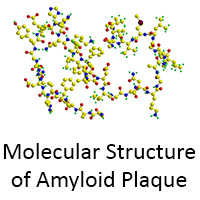
An antibody known as aducanumab may be helpful in removing amyloid plaque in Alzheimer’s patients.
The presence of amyloid plaque deposits in the brain are characteristic Alzheimer’s disease. The condition presents as amyloid plaque deposits, tangles in the brain neurons, poorly functioning nerve synapses and nerve cell deterioration. Alzheimer’s is linked to glaucoma, cerebrovascular disease, poor sleep and to nutrient deficiencies. A number of possibilities exist for improving the condition or slowing its development, including a number of different drugs, antioxidants, some cancer drugs, and compounds found in green tea.
Read More »
 Does Alzheimer’s disease cause poor sleep, or is it the other way around? Researchers at Oregon Health and Science University are conducting a study to find out. The results might show that poor sleep leads to Alzheimer’s. If so, this study may help determine who is at highest risk of developing the disease.
Alzheimer’s disease is marked by the build-up of plaque and tangles in the brain. This causes neurological damage. Early symptoms include short-term memory loss. Later, language
problems, disorientation, motivation loss, moodiness, difficulty caring for oneself and behavioral problems arise.
 Carotenoids have been shown to protect against oxidative damage, which can prevent both macular degeneration and factors contributing to dementia-related diseases (i.e., Alzheimer’s disease).1 Links have been found between these two diseases: patients with dementia were found to have poor maculas and a higher incidence of Macular Degeneration2.
However, these nutrients do not seem to be able to mitigate damage after dementia sets in. Therefore, making sure sufficient amounts of carotenoids are ingested at all ages
Read More »
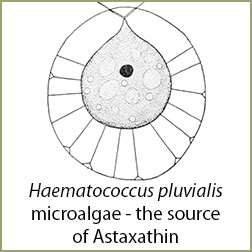 A humble micro-algae produces a powerful antioxidant: astaxanthin. It does so to protect itself from ultraviolet radiation. Research shows that astaxanthin protects the human eyes and brain from serious diseases such as age-related macular degeneration and dementia, including Alzheimer’s disease, as well as conditions like computer eye strain and eye fatigue (asthenopia)1. Astaxanthin supplements are easy to take with no side effects. They are especially helpful as people age and begin to develop serious chronic conditions.
Read More »
Natural Eye Care, Inc.
3 Paradies Lane
New Paltz, New York 12561
Phone: 845.475.4158

NaturalEyeCare™ started in 1999 to help the public and professionals learn about complementary care in eye disease treatment.
The information and recommendations we offer are based on over 30 years of peer review research and personal clinical experience which guides us in providing a valuable resource to our readers, customers and patients regarding maintaining healthy vision naturally.
We believe that vision health is intimately connected to overall mental, physical and spiritual health. Therefore we encourage people to look at their overall lifestyle and diet as part of keeping healthy vision and reducing the risk of eye disease onset. This includes diet, regular exercise, and management of daily stress. If one has health issues such as high blood pressure, a thyroid imbalance, any autoimmune disease and/or are on medication(s), these possible contributions to eye disease should considered when working with your health care professional.
Please do not hesitate to call us at 845.475.4158 with any questions and concerns.