
 Exposure to electromagnetic fields has been considered a potential contributor or cause to many chronic illnesses for about 20 years. What is becoming more apparent is that EMF pollution when combined with toxins and poor diet makes chronic disease more likely.
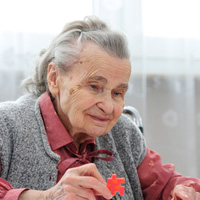 Past studies looking for an association between glaucoma and Alzheimer’s disease have been inconclusive. However, a recent 2015 large study of 7770 Alzheimer’s patients found such an association, specifically with women.
The study appeared in the July 2015 issue of Eye, and it was based on a study of ethnic Chinese in Asia. Each Alzheimer’s patient was matched randomly with controls of the same age and gender. They looked at who had a previous diagnosis of open-angle glaucoma.
Read More »
 2016
2016
Researchers were able to detect evidence of Alzheimer’s development in mice even before detection of plaque build-up was possible. By using a light flashed into the eyes of mice and evaluating the patterns of reflected light they could see clear evidence of changes in the brain – changes that would naturally develop as beta amyloid plaque later developed in the brain. The technique has not been expanded for humans yet (as of June, 2016) but is now beginning phase I trials.1
From before birth to the end of your life, smoking has a radical, nasty effect on your life: not only your health, but your social and mental life as well. It impacts every aspect of your life – your vision, your health, your happiness – from the time in the womb until your old age.
Read More »
 Homocysteine is an amino acid that can be measured with a simple blood test. The study, which appeared in the Journal of Affective Disorders in August 2013, studied 358 people aged 50 and up who had symptoms of depression.
They gave the subjects cognitive tests that looked at immediate and delayed memory, as well as global cognitive performance. They measured
Read More »
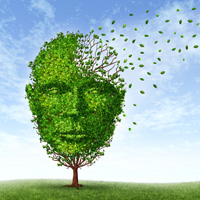 In a new study that examined the association of cerebrovascular disease with a wide variety of neurodegenerative diseases, the strongest correlation was found to be with Alzheimer’s disease. Researchers from the Perelman School of Medicine at the University of Pennsylvania found that the link was strongest in younger Alzheimer’s patients, in whom the effects of cerebrovascular disease were most pronounced.
Cerebrovascular disease, which affects the circulation of blood in the brain, has previously
Read More »
 Guest Blogger, Richard Keane
A new review has revealed that thousands of patients in UK care homes (nursing homes) are missing out on sight tests and acceptable standards of eye care. The review, compiled by the Thomas Pocklington Trust and the International Longevity Centre UK, claims that up to half of the 400,000 elderly people living in UK care homes suffer from sight loss that could be treated. Diseases prevalent in the elderly include glaucoma, cataracts, and macular degeneration. However, eye health is being neglected in the majority of homes, with some carers assuming that there is no need for sight testing in elderly patients, especially in the case of those with Alzheimers Disease (dementia), and a lack of national policy is causing eye care to fall low down on the list of care priorities.
Read More »
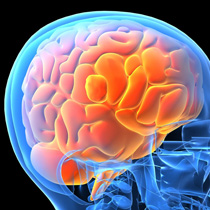 Is it possible to prevent or mitigate Alzheimer’s disease through supplementation? Researchers are looking at magnesium’s role in protecting the aging brain from the ravages of Alzheimer’s disease. A new, highly absorbent foam type of magnesium-L-threonate (MgT) concentrates in the brain and restores the types of brain deterioration found in Alzheimer’s disease and other types of memory loss. Experimental models predict improvement in both short-term memory and long-term memory.
Magnesium is an important nutrient for proper brain functioning. Recent research has showed that magnesium specifically promotes memory and learning due to its beneficial effect on synaptic plasticity and density. Calcium and magnesium work together.
 There is no cure for the degenerative brain disease called Alzheimer’s, and current conventional treatments have a limited effect. However, research into a drug used to treat skin cancer may show “stunning” potential to help with Alzheimer’s disease.
The drug is called bexarotene. So far, the experiments have only been done on mice. The research was done at Case Western Reserve University.
Alzheimer’s occurs in older people, and symptoms include a pattern of forgetfulness, disorientation, misplacing things, short attention span, difficulty in performing routine tasks, poor judgment, language problems, problems with thinking, depression, irritability, paranoia, hostility, and lack of initiative. It is also called “Elderly Dementia.”
Read More »

Parlez-vous Français?
A new study in the journal Neurology indicates that speaking a second language can help fend off the development of neurological diseases like Alzheimer’s.
Research indicates that those who speak a foreign language are likely to be diagnosed with Alzheimer’s four years later than those who only speak one language. Brain scans indicated that bilingual people demonstrate superior cognitive function even when they have more advanced brain deterioration when compared to their single language speaking counterparts. Previous studies have established that speech and language issues are linked to dementia. Source: https://www.foodconsumer.org/newsite/Non-food/Disease/language_delays_onset_of_dementia_0219110210.html
Read More »
Natural Eye Care, Inc.
3 Paradies Lane
New Paltz, New York 12561
Phone: 845.475.4158

NaturalEyeCare™ started in 1999 to help the public and professionals learn about complementary care in eye disease treatment.
The information and recommendations we offer are based on over 30 years of peer review research and personal clinical experience which guides us in providing a valuable resource to our readers, customers and patients regarding maintaining healthy vision naturally.
We believe that vision health is intimately connected to overall mental, physical and spiritual health. Therefore we encourage people to look at their overall lifestyle and diet as part of keeping healthy vision and reducing the risk of eye disease onset. This includes diet, regular exercise, and management of daily stress. If one has health issues such as high blood pressure, a thyroid imbalance, any autoimmune disease and/or are on medication(s), these possible contributions to eye disease should considered when working with your health care professional.
Please do not hesitate to call us at 845.475.4158 with any questions and concerns.