

What is the relationship between brain health and eye health as we age? Our brains adapt and form new connections throughout our lives. Nutrition, lifestyle choices, and early detection play major roles in keeping the brain healthy, and the eyes. Find out about Natural Eye Care’s holistic approach to brain and eye health.
Our brains have an incredible ability to adapt and change as we age. Brain plasticity means that our brains can rewire themselves and form new connections, even as we get older.
 Is it possible that NMN – nicotinamide mononucleotide – is an anti-aging nutrient? This chemical occurs naturally in the body, but levels drop in seniors. Researchers are finding that taking NMN supplements appears to have benefits. How does NMN work? What does it do? And, could seniors slow down the aging process by taking it?
 Chocolate stands alone as both a tasty confection and a healthy food. However, a recent Consumer Reports study found that heavy metals contaminate many brands of chocolate. Cadmium and lead pose health risks, especially neurological health. This includes Alzheimer’s Disease and other forms of dementia. Why is chocolate—especially dark chocolate—considered to be healthy? Why is chocolate contaminated? And how can you find chocolate that is safest to eat?
Read More »
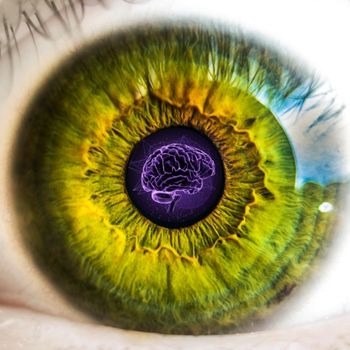 The eyes and the brain are more closely linked than you might realize. Amyloid-beta plaque, the hallmark of Alzheimer’s disease, starts building up in the eyes for a long time before obvious symptoms of dementia appear. Early detection of this brain disease is crucial for slowing its progression. Doctors can screen for Alzheimer’s disease by running a retinal scan. Why? The eyes are neural tissue. Therefore, what is good for the eyes is also good for the brain.
Based on scientific research, Natural Eye Care has recommendations for keeping both your brain and your eyes healthier as you age. We take a holistic approach to Alzheimer’s prevention and management. Early detection, lifestyle, nutrition, and exercise are all important to healthy aging.
Read More »
 Getting enough sleep is crucial to your daily life and long-term health. However, many seniors struggle to get sufficient sleep. They also may have difficulty with the quality of sleep. What do the statistics show? How bad is sleep deprivation for your health? And what are some natural solutions?
Sleep comes naturally. So why do we see these shocking sleep statistics?
Read More »
 New research studies have found strong relationships between lifestyle and the aging brain. How can you help prevent or delay Alzheimer’s Disease and other forms of dementia? The eye’s retina is brain tissue. Not surprisingly, researchers have found connections between Alzheimer’s Disease, glaucoma, and lifestyle. What does the new research show? Are nutrition, supplements, exercise, and smoking avoidance shown to help?
 The standard Western diet, with many processed foods, white grains, fats, sugars, preservatives, and flavorings lacks essential nutrients to support the retina. These non-beneficial components aggravate inflammation in the body – an underlying, and sometimes a direct cause of illness, premature aging, and cellular degeneration.
Essential nutrients include a wide range of amino acids, minerals, vitamins, and vitamin-like nutrients. Among them, a star component of good health and good vision, are the omega-3 fatty acids.
Read More »
Your Eyes Benefit from Lutein, Zeaxanthin, and Meso-zeaxanthin
 Lutein, zeaxanthin, and meso-zeaxanthin are potent antioxidants found in green leafy vegetables, eggs, corn and even chocolate. They have a profound effect on preserving healthy vision, brain function, the immune and cardiovascular systems.
New research is focusing less on the well-established understanding of local benefit from nutrients, e.g. lutein for macular degeneration or cataract, and more on its systemic benefits affecting the immune system, the brain and cognitive function, the eye, cancer, and cardiovascular health.1 In addition, new research is focused on the “why” of the benefit of these carotenoids.
Read More »

The FDA’s approval of aducanumab as a treatment for Alzheimer Disease in June, 2021 was controversial. There were a number of known side effects and new information from clinical trials reveals possible serious consequences. Acucanumab was developed by Biogen and is being sold by Acumen as a $56,000-a-year treatment for Alzheimer’s.
According to an article in Nature1 the FDA’s advisory committee of outside experts and Alzheimer’s specialists recommended waiting on aducanmab approval, but it was fast-tracked and approved anyway. The committee reported that benefits were unclear and that there were serious side effects. Although Acumen claimed that aducanumab is likely to provide cognitive improvement, the statistics may not back that up. Unsurprisingly, the pharmaceutical company, Acumen, filed papers for a public stock offering immediately after approval.
Read More »

Why are mitochondria essential to your health and well-being?
Mitochondria are the energy batteries of our cells. They are tiny organelles within most cells of the body that provide respiration and energy. Low metabolism develops in the brain as we age and is noticeable in brain regions where mitochondrial structure has changed. 1 The mitochondria attempt to replace themselves whenever they are damaged and destroyed. However, mitochondrial biogenesis can be disrupted. Mitochondrial disease, oxidative stress and free radical damage, drinking alcohol, eating a poor diet, and heavy metals can harm the mitochondria. Research on links between mitochondrial dysfunction and Alzheimer’s Disease are underway. The good news is that lifestyle and natural supplements can support healthy mitochondria functioning.
Read More »
Natural Eye Care, Inc.
3 Paradies Lane
New Paltz, New York 12561
Phone: 845.475.4158

NaturalEyeCare™ started in 1999 to help the public and professionals learn about complementary care in eye disease treatment.
The information and recommendations we offer are based on over 30 years of peer review research and personal clinical experience which guides us in providing a valuable resource to our readers, customers and patients regarding maintaining healthy vision naturally.
We believe that vision health is intimately connected to overall mental, physical and spiritual health. Therefore we encourage people to look at their overall lifestyle and diet as part of keeping healthy vision and reducing the risk of eye disease onset. This includes diet, regular exercise, and management of daily stress. If one has health issues such as high blood pressure, a thyroid imbalance, any autoimmune disease and/or are on medication(s), these possible contributions to eye disease should considered when working with your health care professional.
Please do not hesitate to call us at 845.475.4158 with any questions and concerns.