
Taking fish oil every day can reduce the risk of developing breast cancer.
A study published in The Journal of Nutrition studied women with early breast stage breast cancer who took omega fatty acids EPA and DHA in the form of both seafood and dietary supplements. Women who took the most EPA and DHA were 25% less likely to suffer from further breast cancers compared to those in the study who took markedly less of the omega-3s. Source: https://jn.nutrition.org/content/141/2/201.short?rss=1
This is great news – and it just adds to the already ample evidence about the benefits of fish oils. Studies have also shown that omega-3 fatty acids can help ward off macular degeneration, retinitis pigmentosa, and dry eye syndrome, just to name a few. Visit our research pages to learn more.
Read More »
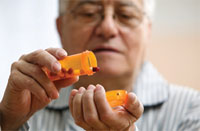
Expectations can be powerful forces – particularly when it comes to the expectations associated with the effectiveness of pain medications.
A study published in Science Translational Medicine shows that expectations can shape both a drug’s benefits and negative side effects. Using functional MRI technology, researchers tracked study participants’ reaction to pain under three conditions: participants had no expectation of receiving pain killers (in this case, a potent opiod); participants expected pain relief from the medication; and participants expected that the medication would actually make the pain worse.
Read More »
Do Weight, Smoking, and Drinking Influence Chances of Developing Glaucoma?
A 2011 study published in the Archives of Ophthalmology seeks to determine how “lifestyle-related risk factors, such as socioeconomic status, smoking, alcohol consumption, and obesity” can influence the likelihood that people will develop open-angle glaucoma.
Nearly 4000 people were part of this nearly 10 year long study. None had glaucoma at the outset, but at the end, 2.7% had developed the eye condition.
Read More »
Studies have established that elderly people with age related macular degeneration are more likely to experience strokes. A new study presented at the American Stroke Association’s International Stroke Conference 2011 is the first to determine the type of stroke that people with AMD are likely to suffer.
Researchers looked at two kinds of strokes: those caused by brain hemorrhage (aka a “bleeding stroke”) and those caused by brain infarction (a blood clot).
Macular degeneration is associated with brain hemorrhages rather than brain infarction.
Read More »
Natural Eye Care, Inc.
3 Paradies Lane
New Paltz, New York 12561
Phone: 845.475.4158

NaturalEyeCare™ started in 1999 to help the public and professionals learn about complementary care in eye disease treatment.
The information and recommendations we offer are based on over 30 years of peer review research and personal clinical experience which guides us in providing a valuable resource to our readers, customers and patients regarding maintaining healthy vision naturally.
We believe that vision health is intimately connected to overall mental, physical and spiritual health. Therefore we encourage people to look at their overall lifestyle and diet as part of keeping healthy vision and reducing the risk of eye disease onset. This includes diet, regular exercise, and management of daily stress. If one has health issues such as high blood pressure, a thyroid imbalance, any autoimmune disease and/or are on medication(s), these possible contributions to eye disease should considered when working with your health care professional.
Please do not hesitate to call us at 845.475.4158 with any questions and concerns.