
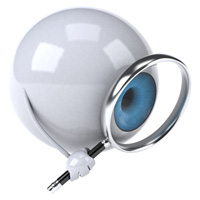
 Devastating eye diseases such as age-related macular degeneration (AMD) and diabetic retinopathy may be detectable sooner with a new camera being developed by ophthalmologist Jean-Daniel Arbour and Photon Etc. in Canada. The camera is designed to detect changes at the metabolic level, even before anatomical changes are visible. It uses hyperspectral photography, which utilizes all wavelengths to detect more details.
Current technology uses light to see the retina in the back of the eye, and the blood vessels flowing out of the optic nerve. But the disease
Read More »
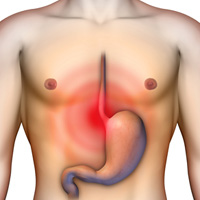 The medications tested were proton pump inhibitors called Prilosec (Omeprazole), Nexium (Esomeprazole Magnesium) and Prevacid (Lansoprazole).
Acid reflux symptoms include heartburn pain, tightness in the throat, shortness of breath, or a feeling that something is stuck in the throat. Any suspected acid reflux symptoms should be examined by a physician. Up to half the US population may have acid reflux problems. Acid reflux can be triggered by certain foods (especially acidic or spicy foods), alcohol and smoking. Chronic acid reflux can cause cellular changes in the esophagus that could lead to cancer.
Read More »
 Patients can inadvertently overdose on the drug. Excessive acetaminophen can result in liver failure and the need for a liver transplant. In some cases, patients can even die from liver problems.
The FDA said there is no data showing the taking extra acetaminophen has any reasonable benefits versus the risks. Nearly half of acetaminophen-related liver failure in the US are caused by unintentional overdose from combination drugs. These drugs are often prescribed to patients who have acute injury pain, pain after an operation, or pain after dental work.
Read More »

The six patients had severe vision loss from choroideremia, a form of retinopathy that is genetic. The disease is fairly rare and manifests only in males. The cells at the back of the eye gradually die, leading to gradual vision loss and ultimately, blindness. Working copies of the faulty gene were injected into retina cells, along with a fluid to halt further degeneration.
Read More »

The Blue Mountains Eye Study looked at 354 people over aged 48 who had visual impairment from cataracts. Some had already had cataracts surgery to replace the clouded cataract(s) and restore vision, and some got the surgery during the study. Within the group were controls who had visual impairment from cataracts and did not have the surgery. The researchers followed the patients for 15 years.
After adjusting for gender and age, the data showed a significant increase in longevity for the patients who had the surgery. This result persisted even after adjusting for tobacco use, BMI, certain heart problems, mobility, and certain major diseases that impact longevity. Accounting for the number of medications the patients were taking and using objective measures of frailty still showed the surgery had significant impact on life span.
Read More »
 Homocysteine is an amino acid that can be measured with a simple blood test. The study, which appeared in the Journal of Affective Disorders in August 2013, studied 358 people aged 50 and up who had symptoms of depression.
They gave the subjects cognitive tests that looked at immediate and delayed memory, as well as global cognitive performance. They measured
Read More »
Cataracts are the leading cause of blindness worldwide. Fifty-one percent of blindness cases in the world are due to untreated cataracts, according to the World Health Organization. Surgery to replace the natural lens with a synthetic one is currently the most common treatment. The new research shows the possibility for more preventative and non-invasive options in the future.
 CoQ10 is a nutrient essential to energy production in the heart. It also has the ability to improve mitochondria metabolism. Issues with mitochondria function may play a role in AMD onset. A study on this was published in Ophthalmologica in 2005.
The researchers of the study designed a trial with compounds shown to improve mitochondria function. This included CoQ10, omega-3 fatty acids, and
Read More »
 In a new economic report by Frost & Sullivan and the Council for Responsible Nutrition Foundation, the potential for savings was examined. The report found that supplements taken preventatively could reduce numbers of medical events. This indicates the equivalent of hundreds of millions of dollars in health care savings.
The report studied four types of chronic disease. U.S. adults with these diseases used one of eight supplement regimens. Medical events (emergency room visits or inpatient procedures) related to the disease were reduced. For example, normal medical events related to coronary heart disease cost $77.92 billion a year. But the report found that supplement intake could reduce this. Men and women over 55 with high cholesterol took psyllium dietary fiber. The resulting decrease in medical cost amounts to almost $2.5 billion dollars a year.
Read More »
 In a recent study, hospital patients with higher levels of the vitamin were less likely to develop hospital-acquired bloodstream infection (HABSI).
This protective effect of vitamin D is an important finding. Boston researchers collected data from 2,135 patients of Boston hospitals from 1993 to 2010. The men and women had vitamin D levels measured before admission to the hospital. 48 hours after admission, their blood samples were
Read More »
Natural Eye Care, Inc.
3 Paradies Lane
New Paltz, New York 12561
Phone: 845.475.4158
NaturalEyeCare™ started in 1999 to help the public and professionals learn about complementary care in eye disease treatment.
The information and recommendations we offer are based on over 30 years of peer review research and personal clinical experience which guides us in providing a valuable resource to our readers, customers and patients regarding maintaining healthy vision naturally.
We believe that vision health is intimately connected to overall mental, physical and spiritual health. Therefore we encourage people to look at their overall lifestyle and diet as part of keeping healthy vision and reducing the risk of eye disease onset. This includes diet, regular exercise, and management of daily stress. If one has health issues such as high blood pressure, a thyroid imbalance, any autoimmune disease and/or are on medication(s), these possible contributions to eye disease should considered when working with your health care professional.
Please do not hesitate to call us at 845.475.4158 with any questions and concerns.