
 Central Serous Choroidopathy, also known as Central Serous Retinopathy (CSR) and Central Serous Chorioretinopathy (CSC), is an eye condition which causes visual impairment. It usually occurs in one eye, and it is usually temporary. But studies show that both eyes are affected on a cellular level even when damage is only apparent in one eye.
CSC is characterized by fluid leakage beneath the retina. Fluid leaks from the layer of the eye called the choroid. This is a heavily vascularized membrane that nourishes the
Read More »
 2016
2016
Researchers were able to detect evidence of Alzheimer’s development in mice even before detection of plaque build-up was possible. By using a light flashed into the eyes of mice and evaluating the patterns of reflected light they could see clear evidence of changes in the brain – changes that would naturally develop as beta amyloid plaque later developed in the brain. The technique has not been expanded for humans yet (as of June, 2016) but is now beginning phase I trials.1
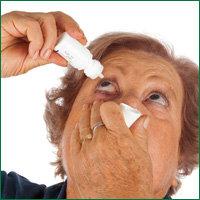 A new clinical trial showed positive results for patients with wet age-related macular degeneration (AMD). The study, which monitored the use and performance of Squalamine eye drops, showed improvement in a number of visual functions.
Conducted by Ohr Pharmaceutical, the nine-month research was a Phase II clinical trial that tested for the effectiveness of Squalamine eye drops in improving visual function. All patients had administered eye drops two times per day, either Squalamine or a placebo, plus injections of
Read More »
 Diabetic retinopathy is an eye disease that is a complication of diabetes. In diabetes, levels of blood sugar are chronically elevated due to lack of insulin, an insulin insensitivity, or a combination of both. Just as sugar combined with water outside the body forms a sticky substance, excessive sugar in the bloodstream does so as well. Sugar adheres to numerous different tissues in the body, causing problems depending on the tissue. Prolonged excessive sugar in the bloodstream tends to damage the blood vessels of the retina, the back part of the eye that sends light signals to the brain. As the blood vessels
Read More »
 Eye infections are a result of invasion of any part of the eye by disease-causing microorganisms. These include certain pathogens that can invade the eyelid, the conjunctiva, the cornea and, in severe and serious cases, inner parts of the eye as well. Eye infections can affect one or both eyes. Although an eye infection can seem mild, it is important to get proper diagnosis and treatment to prevent potentially serious injury to the eye.
 New research indicates a breakthrough in repairing vision for patients with glaucoma. A clinical trial published in JAMA Ophthalmology showed vision improvement from daily computer-based training. Retinal damage due to glaucoma is considered irreversible, but this research indicates vision restoration is possible. By continually activating patients’ residual vision, computer training may be able to strengthen vision.
The clinical trial, conducted by Drs. J. Gublin and B. A.
Read More »
 Keratoconus is a disorder of the cornea that causes visual distortion. Changes in the cellular structures of the cornea cause it to thin and bend into a pronounced cone shape, losing its normal gentle curvature. This leads to several types of visual distortion including blurring, halos around lights, and, in some cases, rapid vision loss. The signature sign of Keratoconus is the perception of multiple ghostly images, called monocular polyopia.
The causes of Keratoconus are not yet known, but one possible link is magnesium deficiency. Numerous
Read More »
 A new study shows that omega-3 fatty acids could help with wet macular degeneration. Macular degeneration is expected to increase by 50% in older adults in industrialized countries by 2020. As the leading cause of vision loss in the elderly, it is a condition of serious significance. The macula is the central part of the retina. While it makes up only about 2% of the total retina, the brain devotes half of its visual processing network to information from the macula. It is responsible for central vision. The retina is a thin layer of nerves
Read More »
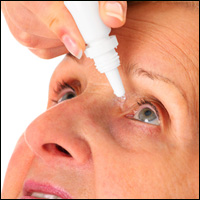 Sjogren’s syndrome is an autoimmune disorder of the rheumatoid type. Rheumatoid type diseases are characterized by inflammation and pain, dry eyes and a dry mouth. There are two types. In Primary Sjogren’s syndrome, the disorder occurs without the presence of an accompanying autoimmune disorder. In Secondary Sjogren’s syndrome, it occurs in conjunction with another autoimmune disorder.
In autoimmune disease, the body’s immune system mistakes some of its own cells as foreign invaders and attacks
Read More »
Natural Eye Care, Inc.
3 Paradies Lane
New Paltz, New York 12561
Phone: 845.475.4158

NaturalEyeCare™ started in 1999 to help the public and professionals learn about complementary care in eye disease treatment.
The information and recommendations we offer are based on over 30 years of peer review research and personal clinical experience which guides us in providing a valuable resource to our readers, customers and patients regarding maintaining healthy vision naturally.
We believe that vision health is intimately connected to overall mental, physical and spiritual health. Therefore we encourage people to look at their overall lifestyle and diet as part of keeping healthy vision and reducing the risk of eye disease onset. This includes diet, regular exercise, and management of daily stress. If one has health issues such as high blood pressure, a thyroid imbalance, any autoimmune disease and/or are on medication(s), these possible contributions to eye disease should considered when working with your health care professional.
Please do not hesitate to call us at 845.475.4158 with any questions and concerns.