
Myopic macular degeneration is not commonly known in the U.S. even though it is the 7th highest ranking cause of legal blindness. In other parts of the world, such as Japan and China, it is the second highest cause of legal blindness. In addition, people of Jewish and middle eastern extraction are greater risk of developing the condition.
What is It?
 Myopic macular degeneration (MMD) arises primarily from genetic abnormalities. 30% of all cases were present at birth; 60% of all cases develop before the child is 13. It often continues to worsen, becoming quite severe myopia by the late teens or early 20s and by 60, 50% of MMD patients are legally blind.
The condition is caused
Read More »
We no longer carry Ilast Clean – and have substituted what we think is a similar and better product.
LidHygenix Foam Eyelid Cleansor 1.60 f/oz (50ml)
A number of clients have asked for a sterile eyelid cleanser and we’re pleased to introduce Ilast Clean, a sterile eyelid cleansing gel which will be helpful in home care of blepharitis as well as skin conditions such as seborrhoeic dermitis.
It is effective in removal of crusts, scales, dried tear secretions and deposits when used with a clean Q-tip as recommended in the blepharitis massage protocol.
It has the advantage
Read More »
 Carotenoids have been shown to protect against oxidative damage, which can prevent both macular degeneration and factors contributing to dementia-related diseases (i.e., Alzheimer’s disease).1 Links have been found between these two diseases: patients with dementia were found to have poor maculas and a higher incidence of Macular Degeneration2.
However, these nutrients do not seem to be able to mitigate damage after dementia sets in. Therefore, making sure sufficient amounts of carotenoids are ingested at all ages
Read More »
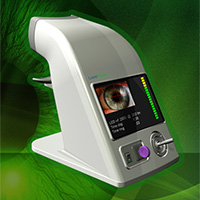 A low-level light treatment called photobiomodulation may be a future treatment for macular degeneration. A company called LumiThera is developing devices for treating vision loss. The devices expose the eye to low-level laser light or light emitting diodes to stimulate cellular function. This is called low level light therapy (LLLT). It is distinct from surgical or aesthetic laser treatments, which destroy tissue.
Visible or near infrared light (NIR) light is produced by a laser or a non-coherent light source. This therapy is in wide use by chiropractors, physiotherapists and sports medicine professionals to treat
Read More »
The Mediterranean Diet, based on consumption of vegetables and fruits, whole grains, nuts, seeds and legumes, and olive oil has been linked to many health benefits. The diet, based on foods eaten in Greece, southern Italy, and Spain, is low in saturated fats and high in fiber and monounsaturated fats.
When combined with regular exercise this way of eating has been strongly associated with many symptoms of improved health: decreased mortality, lowered cardiovascular risk factors, and weight loss. Research now associates a lowered risk of developing macular degeneration with the Mediterranean Diet.
 Optic neuritis is swelling and inflammation of the optic nerve that can cause eye pain, visual impairment, dull colors, and/or flashing lights. Since the optic nerve carries visual information to the brain, any symptoms of optic neuritis should be checked by a doctor immediately. If a patient has just one incident, chances are good that they will fully recover. However, inflammation of the optic nerve can be the first sign of multiple sclerosis, a serious degenerative disease.
One of the dangers of this problem is that the optic nerve can lose some of its myelin. The myelin sheath is fatty tissue that protects the nerves. When the myelin sheath is compromised, the nerves can be damaged. This is one important reason to consult
Read More »
This tasty presentation is fabulous to take to a Thanksgiving potluck!
The recipe is for pumpkin, but Long Island Cheese, a white/buff C. moschata type of squash which is paler than a pumpkin outside with a rich nutty flavor is superb. Another great squash for this recipe is the dark green Kabocha squash for a dramatic color contrast at the table. But any large squash or pumpkin at least 10″ inches in diameter would suit very nicely. You can do a lot of the prep work the day or two days before.
Read More »
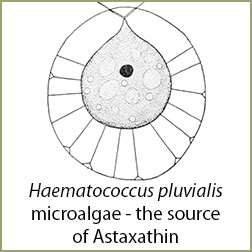 A humble micro-algae produces a powerful antioxidant: astaxanthin. It does so to protect itself from ultraviolet radiation. Research shows that astaxanthin protects the human eyes and brain from serious diseases such as age-related macular degeneration and dementia, including Alzheimer’s disease, as well as conditions like computer eye strain and eye fatigue (asthenopia)1. Astaxanthin supplements are easy to take with no side effects. They are especially helpful as people age and begin to develop serious chronic conditions.
Read More »
 Electronics have become primary obsessions in our personal and work lives. This has lead to nearly everyone becoming susceptible to Computer Vision Syndrome. Symptoms include dry eyes, eye strain, blurred vision, headaches, double vision, difficulty in concentrating, fatigue and/or and head, neck and shoulder pain.
Additionally, heavy computer use has been associated with glaucoma1 Electronics screens emit blue light that can damage the retina, leading to macular degeneration.2 Close-up work is associated with myopia (nearsightedness).3
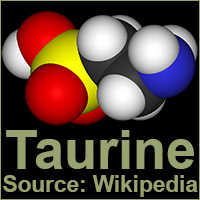 Your body is 1/1000th taurine, a chemical essential to life. The amino acid taurine is crucial for vision. It supports function of the heart, skeletal muscle, and the central nervous system.[1] The pancreas produces taurine, and taurine is a major component of digestive bile. The chemical can be ingested from meats, fish and supplements, such as pills and energy drinks.
In the 1970s, experiments on animals deprived of taurine found they did not develop proper vision. Since then,
Read More »
Natural Eye Care, Inc.
3 Paradies Lane
New Paltz, New York 12561
Phone: 845.475.4158
NaturalEyeCare™ started in 1999 to help the public and professionals learn about complementary care in eye disease treatment.
The information and recommendations we offer are based on over 30 years of peer review research and personal clinical experience which guides us in providing a valuable resource to our readers, customers and patients regarding maintaining healthy vision naturally.
We believe that vision health is intimately connected to overall mental, physical and spiritual health. Therefore we encourage people to look at their overall lifestyle and diet as part of keeping healthy vision and reducing the risk of eye disease onset. This includes diet, regular exercise, and management of daily stress. If one has health issues such as high blood pressure, a thyroid imbalance, any autoimmune disease and/or are on medication(s), these possible contributions to eye disease should considered when working with your health care professional.
Please do not hesitate to call us at 845.475.4158 with any questions and concerns.