
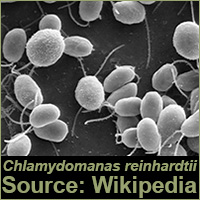
 A type of algae offers hope of restoring sight to patients with retinal diseases such as macular degeneration and retinitis pigmentosa. Chlamydomona reinhardtii green algae uses a protein called Channelrhodopsin-2. This protein sits on the membrane of algae and opens or closes a tunnel-like structure in response to light. In essence, it detects light and transmits that information via electricity.
The research by Dr. Zhou-Hua Pan from Wayne State University could, in the future, provide vision restoration
Read More »
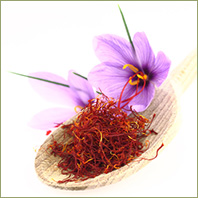 Taking saffron pills improved the visual acuity of age-related macular degeneration (AMD) patients in a small study. Macular degeneration is the gradual deterioration of the small, yellow-colored part of the eye near the center of the retina.
Saffron contains carotenoids called crocin and crocetin. These antioxidants have been shown to have a protective effect on retinal cells.
Read More »
 Myopia, also called “nearsightedness,” is a common eye condition that requires correction with eye glasses. If severe, it can lead to serious eye conditions. Myopia is a refractive error in which close objects are clear, but distant objects are blurry. This is because the refracted image is in focus in front of the retina. Typically, the myopic eye is elongated; however, myopia can also be caused by a distorted cornea.
This disorder affects around 33% of the population of the United States. In some East Asian countries, over 90% of the population is myopic.[1] It is typically detected in children
Read More »
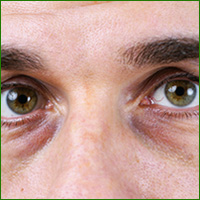 Dark circles under the eyes can make you feel like you look tired or old. They are a major cosmetic concern for both men and women, although women seem to feel the weight of the problem. They are a difficult issue to address because they are caused by a variety of conditions – some of which do not respond well to treatment, diet or lifestyle factors.
Scientists can measure skin color in order to accurately determine degree of changes using a spectral imaging camera that detects skin chromophores – the parts of molecules that determine its color. This improvement on contact-type spectrophotometers allows better evaluation of skin color.
Read More »
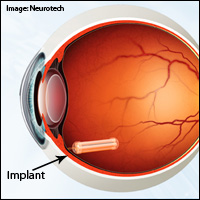 Clinical trials are underway for an implantable device that delivers medication directly to the eyes of people with age-related macular degeneration. Current treatment involves eye injections every four-to-eight weeks, which is difficult to comply with and can create complications. The new technology is a tiny device that is put into the eye and lasts up to 2 years, reducing or eliminating the need for the injections. The devices are being developed by Cumberland, Rhode Island-based Neurotech.
Read More »
 Experiments on mice show promise for a treatment that expresses a light-sensitive human protein, called rod opsin, on the undamaged retinal cells. These cells are turned into photoreceptors, which allow vision.
Retinitis pigmentosa is a group of eye disorders that appear to be genetic. This eye disease is a major cause of vision loss and blindness.
Read More »
 Women with specific genes may be more likely to develop age-related macular degeneration (AMD) if they are deficient in Vitamin D, according to new research in JAMA Ophthalmology.
The genetic variant (Y402H) studied is the complement factor H gene, called CFH for short. The genes in question are related to the immune system. The development of macular degeneration is believed to involve inflammation. In AMD, drusen, lipids (fats) and proteins build up in the eye. The body perceives the drusen to be an invader and attacks it. The genes appear to cause a stronger immune response.
Read More »
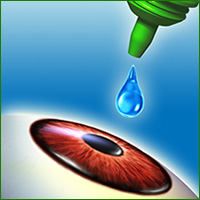 Methylsulfonylmethane, known as MSM, is commonly utilized in the form of MSM eyedrops or powder in vcaps to be taken as a supplement. It is well known for its anti-inflammatory capacity, documented by researchers. Scientists are documenting substantiating research and finding new uses.
Anti-Inflammation
MSM inhibits inflammasomes, which are protein formations that stimulate production of lymphocytes (white blood cells). It also inhibits the activity of ‘pro-cytokines’ which promote inflammation throughout the body, creating health-damaging fevers and causing tissue death and shock.1 This effect of MSM is useful in reducing the tissue swelling that damages the optic nerve, causes eye soreness of dry eyes and Sjogrens syndrome and other inflammatory-related conditions.
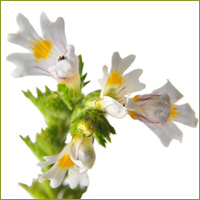 European researchers have been looking at what makes eyebright tick and why it has long been regarded in traditional folk medicine as a helpful herb for eye conditions. Turns out that eyebright supports more than eye health. Wikipedia describes eyebright as having possible benefits not only for blepharitis and conjunctivitis, but for eye strain, colds and sinus infections, allergies and hay fever and sore throats and coughs.
Eyebright has anti-microbial action and is more effective in concentrations of at least 512 micrograms per milliliter against a number of nasty microbes associated with eye infections.
 A new study has found that higher levels of mercury in the blood are linked to a greater chance of developing the eye disease glaucoma. Additionally, low levels of manganese (a chemical element) were associated with lower incidence of glaucoma.
This cross-sectional population-based study was published online on August 6th 2015 in JAMA Ophthalmology. The researchers looked a blood or urine metallic element levels, as well as eye disease in 2,680 Korean adults.
Natural Eye Care, Inc.
3 Paradies Lane
New Paltz, New York 12561
Phone: 845.475.4158

NaturalEyeCare™ started in 1999 to help the public and professionals learn about complementary care in eye disease treatment.
The information and recommendations we offer are based on over 30 years of peer review research and personal clinical experience which guides us in providing a valuable resource to our readers, customers and patients regarding maintaining healthy vision naturally.
We believe that vision health is intimately connected to overall mental, physical and spiritual health. Therefore we encourage people to look at their overall lifestyle and diet as part of keeping healthy vision and reducing the risk of eye disease onset. This includes diet, regular exercise, and management of daily stress. If one has health issues such as high blood pressure, a thyroid imbalance, any autoimmune disease and/or are on medication(s), these possible contributions to eye disease should considered when working with your health care professional.
Please do not hesitate to call us at 845.475.4158 with any questions and concerns.