
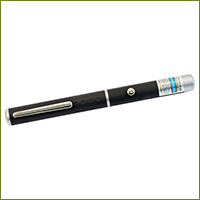
 Lasers are common in toys and laser pointers, but improper use can result in vision damage or accident-causing temporary blindness. The US Food and Drug Administration regulates lasers, and they classify them according to strength. The stronger they are, the more damage they can do.
The main problem is hand-held laser pointers. Laser pointers are used during lectures to point out details on slideshows or posters. They are more powerful than the Class 1 and Class 2 lasers found in toys.
If a laser is pointed directly at the eye, it can damage
Read More »
 Americans spend about 1/3 of their waking hours on smartphones; young Americans spend even more. Research finds that we spend almost twice as much time as we think we do and more than half of that time is in short bursts of less than 30 seconds.
Read More »
 Chinese scientists have identified nutrients that come from marine algae that may prove to provide even better support for vision health problems due to computer eye syndrome than the antioxidants lutein and zeaxanthin. Fucoxanthin1 comes from a brown seaweed where it is the primary part of the light-absorbing mechanism of the plant. It is what gives seaweed a brown or olive-green color.
 Turmeric’s ability to support the body has been well-researched; however, this spice by itself is difficult for the body to absorb. This bright yellow spice is also called curcumin, and it contains a prized antioxidant. Research is verifying curcumin’s ability to reduce: inflammation, depression, pain and diabetes.
At Natural Eye Care, we often recommend curcumin or turmeric as a dietary supplement for patients who have, or are at high risk for an eye condition related to inflammation. For example, macular degeneration
and glaucoma appear to have an inflammation component. Curcumin supports glutathione synthesis, which is an important antioxidant for vision.
 A small study has shown microcurrent stimulation (electrotherapy) to benefit macular degeneration patients. While the study did not have controls, the research on 25 eyes with dry age-related macular degeneration, and 6 eyes with wet age-related macular degeneration found:
 The benefits of exercise are indisputable.
Exercise has been recognized to have a positive impact on almost every health and vision condition – everything from heart disease to glaucoma, from diabetes to macular degeneration, from depression to cataracts. For those concerned with weight loss getting adequate exercise is more important than diet.
Read More »
 Eating plenty of fruits and vegetables helps ward off a common eye disease, age-related macular degeneration (ARMD). A study in Acta Ophthalmologica looked at the relationship between intake of antioxidants (including the antioxidant lutein) and the incidence of macular degeneration. It found that people with low intake of antioxidants were twice as likely to have this eye disease versus controls.
The macula is made from a yellow antioxidant called lutein. Dietary sources of lutein are leafy green vegetables (kale, spinach, collards, mustard greens), brussels sprouts, and broccoli. It is also found in eggs and corn. Lutein supplements can be made from marigolds.
Read More »
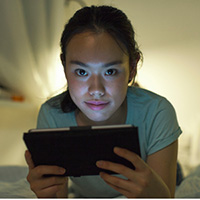 Blue light is emitted from all handheld electronic devices as well as desktop and laptop computers and televisions. It is the shortest wave length light in the visible spectrum and causes significant damage to many parts of the eye seriously impacting present and future vision capacity. Damage from blue light from smartphones is particularly important because smartphones are often used in dim light and are used close to the eyes. Unlike ordinary computer vision fatigue, damage from blue light is serious, cumulative and irreversible.
Read More »
Eye strain is the symptom that most people associate with overuse of electronic visual display devices — from television to laptops & desktops — to smartphones — to handheld games and ebooks.
Smartphone ownership has grown explosively with 68% of Americans owning smartphones in 2015 compared to 35% in 2011. Most adults under age 50 (79%-85%) are smartphone owners, and of the middle-age to senior group (age 50-64) more than half own and use smartphones. This growth has lead to increased rates of a number of vision conditions.
Read More »
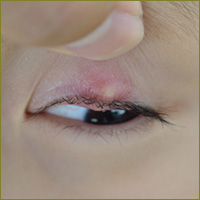 A red, painful bump on the eyelid could be a stye. Often resembling a pimple or boil, it appears near the edge of the eyelid. With a sty, one of the eyelash follicles or a meibomian gland gets infected or inflamed.
While styes are not usually serious, they can be painful and cause eye watering. If they are short-lived, they may go away on their own. Styes can often be treated at home through warm compresses and specific herbs, though if severe or if it does not clear up within a couple of weeks, see your eye
Read More »
Natural Eye Care, Inc.
3 Paradies Lane
New Paltz, New York 12561
Phone: 845.475.4158

NaturalEyeCare™ started in 1999 to help the public and professionals learn about complementary care in eye disease treatment.
The information and recommendations we offer are based on over 30 years of peer review research and personal clinical experience which guides us in providing a valuable resource to our readers, customers and patients regarding maintaining healthy vision naturally.
We believe that vision health is intimately connected to overall mental, physical and spiritual health. Therefore we encourage people to look at their overall lifestyle and diet as part of keeping healthy vision and reducing the risk of eye disease onset. This includes diet, regular exercise, and management of daily stress. If one has health issues such as high blood pressure, a thyroid imbalance, any autoimmune disease and/or are on medication(s), these possible contributions to eye disease should considered when working with your health care professional.
Please do not hesitate to call us at 845.475.4158 with any questions and concerns.