
 The human body contains approximately 36 trillion cells. Cells communicate with each other every millisecond of life to coordinate functioning and maximize health. The mind-body connection includes how you think, and how organs communicate back and forth with the brain.
Keeping in balance in Western medicine is referred to as “homeostasis”. An example of homeostasis is maintaining the optimum body temperature at 98.6 degrees Fahrenheit. When you exercise, your body sweats to cool off. If you are cold, you shiver involuntarily to create more body heat.
Read More »
 Cataracts are a condition where the lens of the eye becomes cloudy. They are common among seniors. Symptoms include:
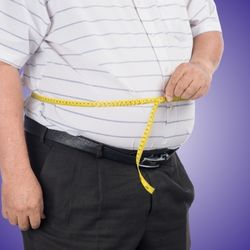 Extra weight around the belly may not seem hazardous. However, a higher abdominal circumference is one of several contributing factors to Metabolic Syndrome. As a risk factor for diabetes and cardiovascular disease, Metabolic Syndrome can creep up over time. Hormones, insulin resistance, genetics, organ dysfunction, and mitochondrial dysfunction can play a role.
Lifestyle, including nutrition and exercise, are factors that contribute to Metabolic Syndrome, and are under our control. Therefore, preventing or reversing metabolic syndrome can improve both lifespan and quality of life. Diabetic retinopathy, central retinal artery occlusion, cataract, age-related macular degeneration, glaucoma, and dry eye syndrome are eye diseases with similar underlying risk factors to Metabolic Syndrome. Oxidative stress ties into all these problems. What is the science behind Metabolic Syndrome? What can you do to head it off?
Read More »
 Hair loss is a prevalent concern, affecting both men and women. Surprisingly, there may be a connection between hair loss and eye conditions. This intriguing link stems from healthy vision being closely tied to overall bodily health. Chronic conditions such as diabetes, arthritis, and hypertension are associated with declining eye health. The root causes of many chronic conditions, such as incomplete nutrition and chronic inflammation, can damage hair and impede hair growth. Certain autoimmune diseases can cause alopecia. Both an underactive and overactive thyroid can cause hair loss and affect the eyes. Menopause impacts both the eyes and hair. In this article, we will explore androgenetic alopecia, hyperthyroidism and hypothyroidism, eyelash loss (madarosis), menopause, diet and vitamin deficiencies, and insights from Traditional Chinese Medicine.
Read More »
 New research studies have found strong relationships between lifestyle and the aging brain. How can you help prevent or delay Alzheimer’s Disease and other forms of dementia? The eye’s retina is brain tissue. Not surprisingly, researchers have found connections between Alzheimer’s Disease, glaucoma, and lifestyle. What does the new research show? Are nutrition, supplements, exercise, and smoking avoidance shown to help?
People with cardiovascular disease may be at a higher risk of developing certain eye diseases including macular degeneration, retinopathy, retinal bleeding, a retinal vein occlusion, and blurred vision.
Good vision requires, among other factors, adequate blood circulation, and normal blood pressure. The eyes have a network of tiny blood vessels, each no wider than a strand of hair, which supply blood to the retina, the light-sensitive tissue at the back of the eyeball.
Read More »
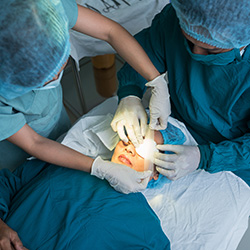 Cataracts are one of the most common eye conditions among seniors. A cataract results in clouding the vision, and eventually causes blindness if not treated. The conventional approach to cataracts is to wait and see if it gets worse. When a cataract is advanced, an eye surgeon usually offers cataract surgery. Cataract surgery uses artificial lenses that correct any clouding due to a cataract. It can correct certain refraction errors at the same time. However, not everyone is a good fit for this treatment. Which nutrients help promote healthy lenses and overall eye health? What does recent research into cataract pharmacotherapy show? And, which combinations of nutrients are the most effective for lens support?
Read More »
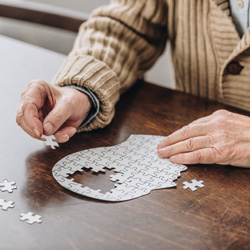 Parkinson’s disease is a multi-neurological disease. Currently, most Parkinson’s treatments focus on increasing dopamine production and reducing motor symptoms and tremors through medication. However, this disease has many causative or contributing factors that cause changes in healthy brain function. Many of these factors are also relevant for dementia, Alzheimer’s, Huntington’s, and Wilson’s diseases as well. Which factors impact brain functioning and the development of brain disease? Are there natural approaches to preventing and slowing the progress of such devastating diseases? This article offers a brief overview, based on the new book, Natural Parkinson’s Support: Your Guide to Preventing and Managing Parkinson’s.
Read More »
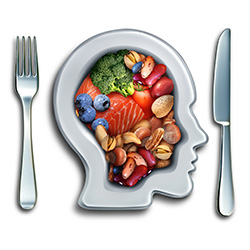 Brain health is especially important in seniors. Seniors are susceptible to dementia, Alzheimer’s disease, memory problems, and cognitive decline. Which foods boost brain power the most? At Natural Eye Care, we have picked eleven common foods that have brain-saving properties. Scientists have been studying the nutrients in foods for decades. They have isolated specific nutrients that cross the blood-brain barrier. These types of nutrients get direct access to the brain and even the retina. The retina is made from neural tissue. Researchers find that many of the nutrients helpful for the brain also stave off eye diseases such as macular degeneration and glaucoma.
Try adding some of these foods to your regular diet. Seniors need fewer calories than younger folks. Therefore, replace “junk food” like cookies, candy, and chips with these brain-boosters.
Read More »
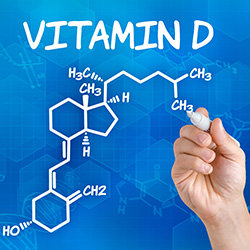 Lack of Vitamin D has been associated with eye diseases like uveitis, macular degeneration, and dry eye. Vitamin D deficiency is also linked to cancer, immune disorders, heart disease, high blood pressure, osteoporosis, bone pain, depression, asthma, multiple sclerosis, and even dementia. Shockingly, more than 40% of the US population is Vitamin D deficient. The body manufactures Vitamin D, so why is deficiency wide spread? Indoor living, aging, and many other factors are behind this virtual pandemic. How can you measure your vitamin D levels? How can you get enough? Isn’t fortified milk enough? Should you take a supplement? Which one?
Read More »
Natural Eye Care, Inc.
3 Paradies Lane
New Paltz, New York 12561
Phone: 845.475.4158
NaturalEyeCare™ started in 1999 to help the public and professionals learn about complementary care in eye disease treatment.
The information and recommendations we offer are based on over 30 years of peer review research and personal clinical experience which guides us in providing a valuable resource to our readers, customers and patients regarding maintaining healthy vision naturally.
We believe that vision health is intimately connected to overall mental, physical and spiritual health. Therefore we encourage people to look at their overall lifestyle and diet as part of keeping healthy vision and reducing the risk of eye disease onset. This includes diet, regular exercise, and management of daily stress. If one has health issues such as high blood pressure, a thyroid imbalance, any autoimmune disease and/or are on medication(s), these possible contributions to eye disease should considered when working with your health care professional.
Please do not hesitate to call us at 845.475.4158 with any questions and concerns.