
Th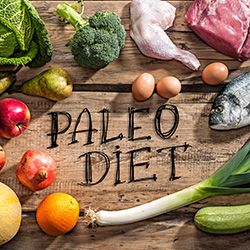 e Paleo Diet or “Caveman Diet” is trendy, but what effect could it have on the eyes? The idea is to eat like hunter-gatherers in the Stone Age. These early humans had no agriculture–and no processed foods. Nearly devoid of grains and dairy products, this diet focuses on meat, fruit, nuts, seeds, and vegetables.
The discordance hypothesis holds that the invention of agriculture resulted in a diet that did not match our DNA. Did we evolve to eat large amounts of grains and dairy products? Farming is only 10,000 years old, but our Stone Age ancestors lived 2.5 million years before this.
Read More »
 Age-Related Macular Denegation is a significant cause of vision loss that can often be managed and even improved through targeted nutritional support. It affects mostly people over age 50. While the precise cause of ARMD is not clear, oxidative damage is suspected as being a major factor. It strikes the elderly possibly due to poor diet and nutritional intake over a lifetime, less efficient absorption of nutrients and poor circulation as the body ages. The care needed by vision-impaired elderly could become overwhelming. Let’s take a look at some of the newest research in preventing macular degeneration, as well as treatment and support options.
Read More »
 Women with specific genes may be more likely to develop age-related macular degeneration (AMD) if they are deficient in Vitamin D, according to new research in JAMA Ophthalmology.
The genetic variant (Y402H) studied is the complement factor H gene, called CFH for short. The genes in question are related to the immune system. The development of macular degeneration is believed to involve inflammation. In AMD, drusen, lipids (fats) and proteins build up in the eye. The body perceives the drusen to be an invader and attacks it. The genes appear to cause a stronger immune response.
Read More »
 Vitamin D is responsible for overall immune system health as well as vastly reducing the risk of numerous chronic diseases and cancers. The best way to receive vitamin D3 is through the sun, but it is essential to achieve a fine balance between healthy exposure and overexposure.
UVB rays from the sun present an unusual contradiction. They are the wavelength that can quickly cause sunburn on the surface of the skin, but they are also essential to vitamin D production. The body requires sun exposure to convert a cholesterol derivative into vitamin D3.
In order to gain safe and adequate exposure to UVB, a
Read More »
 In a recent study, hospital patients with higher levels of the vitamin were less likely to develop hospital-acquired bloodstream infection (HABSI).
This protective effect of vitamin D is an important finding. Boston researchers collected data from 2,135 patients of Boston hospitals from 1993 to 2010. The men and women had vitamin D levels measured before admission to the hospital. 48 hours after admission, their blood samples were
Read More »
 Diminished vitamin D levels may be linked to the spread of the flu. Research found that nonpandemic influenzas occur primarily in temperate regions and in winter when the skin’s vitamin D formation due to sun exposure is low. Influenza seasonality is seldom observed in tropical regions.
Although an initial pandemic can start in any season, secondary waves often occur in autumn or winter, and can be more serious. The increased lethality of secondary winter waves can also be explained by decreased vitamin D levels.
 Vitamin D
A recent study in the Proceedings of the National Academy of Sciences found that Vitamin D may have cancer-fighting properties. At the same time, ironically, Vitamin D deficiency is becoming increasing prevalent in the United States due to fear of the harmful effects of sun and poor nutrition.
Excessive sun exposure is a leading cause of skin cancer and cataracts in the eyes. As people slap on sunscreen and cover up to protect themselves from ultra-violet rays, they may be inadvertently missing out on an important nutrient.
Women under 75 | Annual Survey | Vitamin D3 | D Sources
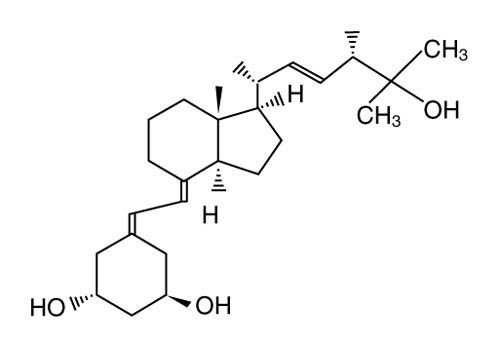
Vitamin D – and the fact that so many people are deficient in this vital compound – has been in the news a lot lately. A lack of vitamin D has been linked to asthma in children, the development of cancers, cognitive impairment, and increased risk of cardiovascular diseases.
Vitamin D impacts the health of the eyes as well.
A number of studies show that low vitamin D3 levels correspond to an increase in the incidence of age related macular degeneration.
Read More »
Natural Eye Care, Inc.
3 Paradies Lane
New Paltz, New York 12561
Phone: 845.475.4158

NaturalEyeCare™ started in 1999 to help the public and professionals learn about complementary care in eye disease treatment.
The information and recommendations we offer are based on over 30 years of peer review research and personal clinical experience which guides us in providing a valuable resource to our readers, customers and patients regarding maintaining healthy vision naturally.
We believe that vision health is intimately connected to overall mental, physical and spiritual health. Therefore we encourage people to look at their overall lifestyle and diet as part of keeping healthy vision and reducing the risk of eye disease onset. This includes diet, regular exercise, and management of daily stress. If one has health issues such as high blood pressure, a thyroid imbalance, any autoimmune disease and/or are on medication(s), these possible contributions to eye disease should considered when working with your health care professional.
Please do not hesitate to call us at 845.475.4158 with any questions and concerns.