
 GLP-1 drugs have produced remarkable weight-loss results for many people, but can these medications have serious side effects? Weight-loss medications containing semaglutide, including Wegovy and Ozempic, reduce appetite through several interconnected systems involving the brain, digestive tract, pancreas, hormones, and nerves. 1
Semaglutide does not appear to cross the blood-brain barrier freely. Instead, it can reach or influence selected appetite-regulating areas, including regions of the hypothalamus and brainstem. 2 By affecting appetite and food-reward signaling, the medication can help you feel satisfied with less food and may reduce cravings and eating motivated primarily by pleasure rather than hunger. 3
Read More »
Y our nervous system runs on communication. Nerves send signals from the brain and spinal cord out to the rest of the body, and back again. Myelin is the protective, fatty coating wrapped around many nerve fibers. Think of it as insulation around wiring: it helps signals travel faster, more clearly, and with less electrical leakage. 1
Myelin is also part of a bigger support system. In the central nervous system (the brain and spinal cord), specialized cells called oligodendrocytes help build and maintain myelin. These cells do not just wrap nerves; they also support neurons structurally and metabolically, helping the nervous system meet energy demands over time.
Read More »
Vitamin D is often called the “bone vitamin,” but that’s only part of the story. Vitamin D3 (cholecalciferol) also influences systems your eyes rely on every day—especially as we get older: inflammation control, immune regulation, oxidative stress protection, and even how the body manages blood vessel growth.
And here’s the real-world issue: most people don’t get enough vitamin D consistently. Food sources are limited, sunlight is seasonal and complex (plus many of us avoid it for skin health), and modern indoor life takes care of the rest.
Read More »
 Allergies to food can cause eye symptoms, but food allergies can also lead to vision problems. Grouped with food allergies are food intolerances and food sensitivities. While food allergies are an immune system reaction, intolerances and sensitivities are related to the digestive system. In this article, we discuss how individuals with these food issues need to protect their eyes from harm.
 The brain and visual system rely on a significant portion of the nutrients you consume to maintain optimal health and function. Supporting the connections between the body, mind, and eyes is key to promoting healthy vision, preserving brain health, and reducing the risk of age-related eye and brain diseases. This includes macular degeneration, glaucoma, and cataracts, plus dementia and Parkinson’s Disease.
Many of these conditions stem from a lack of essential nutrients reaching the eyes and brain, leaving them deprived of what they need to thrive. Other factors, such as autoimmune diseases, cardiovascular issues, medications, chronic stress, a sedentary lifestyle, poor diet, inadequate sleep, and both genetic and epigenetic influences, can also play a role.
Read More »
 Wintertime is when colds and flu are the most common. Why should we try to avoid these infectious diseases, and how? In addition to annual vaccines, what are some natural ways to stay healthy during cold and flu season? At Natural Eye Care, we see healthy eyes as part of a healthy body. This article references research that supports lifestyle, nutrition, botanicals, and supplements to fight colds and flu. Find out how to avoid getting sick, reduce the impact, and recover faster.
Each year, approximately 5 to 20 percent of Americans come down with the flu. Although most recover without incident, flu-related complications typically lead to at least 200,000 hospitalizations and between 12,000 and 60,000 deaths each year. People tend to recover from bacterial-related colds much more quickly than virus-related colds. Seniors and small children are especially susceptible.
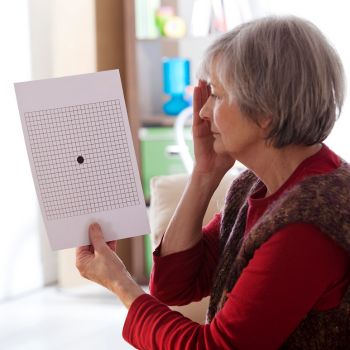 Macular degeneration is also known as AMD, which is an acronym for “Age-Related Macular Degeneration.” It is the leading cause of irreversible blindness. Limited conventional treatments are available. However, natural remedies can go a long way toward reducing the risk of AMD onset. They can help prevent AMD from progressing to the point of vision loss. And, in many cases, lifestyle considerations and targeted supplementation can improve vision loss from AMD.
Read More »
 Hair loss is a prevalent concern, affecting both men and women. Surprisingly, there may be a connection between hair loss and eye conditions. This intriguing link stems from healthy vision being closely tied to overall bodily health. Chronic conditions such as diabetes, arthritis, and hypertension are associated with declining eye health. The root causes of many chronic conditions, such as incomplete nutrition and chronic inflammation, can damage hair and impede hair growth. Certain autoimmune diseases can cause alopecia. Both an underactive and overactive thyroid can cause hair loss and affect the eyes. Menopause impacts both the eyes and hair. In this article, we will explore androgenetic alopecia, hyperthyroidism and hypothyroidism, eyelash loss (madarosis), menopause, diet and vitamin deficiencies, and insights from Traditional Chinese Medicine.
Read More »
 New research studies have found strong relationships between lifestyle and the aging brain. How can you help prevent or delay Alzheimer’s Disease and other forms of dementia? The eye’s retina is brain tissue. Not surprisingly, researchers have found connections between Alzheimer’s Disease, glaucoma, and lifestyle. What does the new research show? Are nutrition, supplements, exercise, and smoking avoidance shown to help?
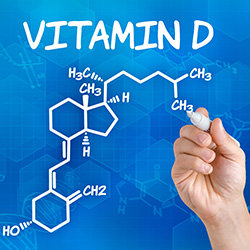 Lack of Vitamin D has been associated with eye diseases like uveitis, macular degeneration, and dry eye. Vitamin D deficiency is also linked to cancer, immune disorders, heart disease, high blood pressure, osteoporosis, bone pain, depression, asthma, multiple sclerosis, and even dementia. Shockingly, more than 40% of the US population is Vitamin D deficient. The body manufactures Vitamin D, so why is deficiency wide spread? Indoor living, aging, and many other factors are behind this virtual pandemic. How can you measure your vitamin D levels? How can you get enough? Isn’t fortified milk enough? Should you take a supplement? Which one?
Read More »
Natural Eye Care, Inc.
3 Paradies Lane
New Paltz, New York 12561
Phone: 845.475.4158

NaturalEyeCare™ started in 1999 to help the public and professionals learn about complementary care in eye disease treatment.
The information and recommendations we offer are based on over 30 years of peer review research and personal clinical experience which guides us in providing a valuable resource to our readers, customers and patients regarding maintaining healthy vision naturally.
We believe that vision health is intimately connected to overall mental, physical and spiritual health. Therefore we encourage people to look at their overall lifestyle and diet as part of keeping healthy vision and reducing the risk of eye disease onset. This includes diet, regular exercise, and management of daily stress. If one has health issues such as high blood pressure, a thyroid imbalance, any autoimmune disease and/or are on medication(s), these possible contributions to eye disease should considered when working with your health care professional.
Please do not hesitate to call us at 845.475.4158 with any questions and concerns.