
 Myopia, or nearsightedness, is a common vision problem. Evidence is starting to show that sunlight has special properties beneficial to vision health. Specifically, exposure to sunshine reduces the risk of developing nearsightedness at all ages. The quality of artificial light and nutrition also play roles. The world’s most natural remedy is sunlight. Find out how much you need to stay healthy.
 A recent study found that aerobic exercise had a larger positive effect on the brain than stretching alone.1 The volume of the brain increased, according to MRIs. Also, the aerobic exercise group had a significant improvement on executive brain functioning tests. The researchers are hoping to find ways to head off or reduce the impact of Alzheimer’s Disease in seniors.
The study subjects all had mild cognitive impairment (MCI). MCI is a risk
Read More »
 Chinese Medicine can support eye health and help preserve vision. This traditional modality is helpful for people looking to reduce the risk developing eye disease and maintain healthy vision. Additionally, patients with existing eye conditions such as chronic dry eyes, cataracts, glaucoma, macular degeneration, and eye floaters can benefit from Traditional Chinese Medicine as part of their treatment plan.
Chinese medicine includes the use of acupuncture, herbs, as well as Tui Na (massage therapy), Gui Sha (skin scraping), and Qigong (physical exercises and breathing techniques). Acupuncture involves tiny, disposable needles painlessly inserted at certain points on the body.
Read More »
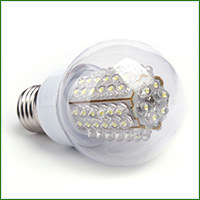 LED light bulbs are becoming very popular, but what is their effect on the eyes? Light Emitting Diode lighting uses up to 95% less energy than their incandescent counterparts. Before replacing your home or workplace’s indoor lights with LEDs, consider two downsides:
 A large study found that people who ate enough leafy greens had a lower risk of getting primary open-angle glaucoma. A large body of research show the positive impact that good nutrition has on vision health. Eating sufficient amounts of vegetables provides the body with important nutrients.
The eye is made from nutrients. Leafy green vegetables are loaded with vitamin K, magnesium, iron, calcium, beta-carotene, carotenoids and other antioxidants, and the eye nutrients lutein
Read More »
 Eye health is important for quality of life. Regular exercise has many significant benefits, including supporting healthy vision. This is especially true for seniors, who are most at risk for eye disease. While you cannot control all risk factors, sedentary behavior is a risk factor you CAN control. Avoiding tobacco and eating a healthy diet are also under your control. Genetics have an influence: a much higher percentage of African Americans have vision loss from glaucoma; non-Hispanic Whites top the charts in Age-Related Macular Degeneration vision loss1.
Exercise reduces oxidative stress, a significant factor in the development of eye
Read More »
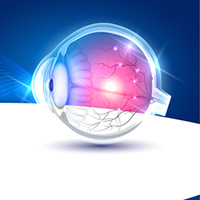
Stem cells are the area of greatest potential in current medicine. They can turn into any tissue in the body and can therefore conceivably be used for treatment of countless diseases. Previous research and trials currently taking place use embryonic stem cells, however, their use is ethically controversial and carries the risk of rejection by a patient’s tissues. Of great interest is the developing technology in stem cells for macular degeneration.
Read More »
 A breakthrough operation has regenerated the lenses of 12 children using stem cells. Cataracts are a clouding of the lens that typically occurs in the elderly. It is the leading cause of blindness (left untreated).
Standard treatment of cataracts is inserting an artificial intraocular lens. However, this requires waiting until the cataracts “ripen”, or cataract surgery is often recommended
Read More »
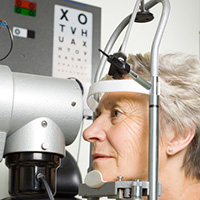 Examining the eyes of animals has revealed a test for very early Parkinson’s Disease. This research may translate into an eye test for humans. If so, it offers hope to the 1 in 500 people worldwide who will develop Parkinson’s by allowing treatment to slow the condition in its earliest stages.
Parkinson’s disease (PD) is the second most common neurodegenerative disease. Symptoms include muscle tremors, stiffness, and slow movement. It is not fatal by itself, but it reduces the quality of life. There is currently no definitive test, and doctors cannot diagnose this neurological
Read More »
 A long-term study of patients receiving gene therapy shows positive results.1 Researcher Dr. Robert Maclaren published a letter in the New England Journal of Medicine indicating that 5 out of the 6 patients with a rare genetic eye disease either improved or stayed the same after treatment. This may lead to approval of gene therapy for Choroideremia. This type of research may ultimately result in the approval of gene therapy for other more common eye diseases.
Men with Choroideremia have a defective
Read More »
Natural Eye Care, Inc.
3 Paradies Lane
New Paltz, New York 12561
Phone: 845.475.4158

NaturalEyeCare™ started in 1999 to help the public and professionals learn about complementary care in eye disease treatment.
The information and recommendations we offer are based on over 30 years of peer review research and personal clinical experience which guides us in providing a valuable resource to our readers, customers and patients regarding maintaining healthy vision naturally.
We believe that vision health is intimately connected to overall mental, physical and spiritual health. Therefore we encourage people to look at their overall lifestyle and diet as part of keeping healthy vision and reducing the risk of eye disease onset. This includes diet, regular exercise, and management of daily stress. If one has health issues such as high blood pressure, a thyroid imbalance, any autoimmune disease and/or are on medication(s), these possible contributions to eye disease should considered when working with your health care professional.
Please do not hesitate to call us at 845.475.4158 with any questions and concerns.