
 New research studies have found strong relationships between lifestyle and the aging brain. How can you help prevent or delay Alzheimer’s Disease and other forms of dementia? The eye’s retina is brain tissue. Not surprisingly, researchers have found connections between Alzheimer’s Disease, glaucoma, and lifestyle. What does the new research show? Are nutrition, supplements, exercise, and smoking avoidance shown to help?
 A sweet taste with zero calories sounds tempting, but what are the dangers of artificial sweeteners? What does the research on zero-calorie artificial sweeteners show? Too much sugar and high-fructose corn syrup can damage your health. Artificial sweeteners sound like an easy alternative. How can you tell the difference between artificial and natural low-calorie sweeteners? And, how can you get that sweet taste without risking your health?
Read More »
 The standard Western diet, with many processed foods, white grains, fats, sugars, preservatives, and flavorings lacks essential nutrients to support the retina. These non-beneficial components aggravate inflammation in the body – an underlying, and sometimes a direct cause of illness, premature aging, and cellular degeneration.
Essential nutrients include a wide range of amino acids, minerals, vitamins, and vitamin-like nutrients. Among them, a star component of good health and good vision, are the omega-3 fatty acids.
Read More »
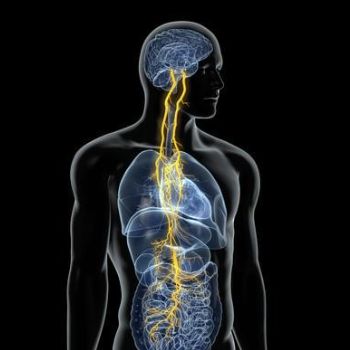 “Mind-body connection”? It is the link between our emotional/mental and physical selves. The link becomes evident as you learn about gut-brain access and the function of the vagus nerve.
Through two-way communication with the brain via the nervous system, endocrine system, and immune system, the gut and central nervous system form a gut-brain axis. They communicate with each other constantly, in both sickness and health.1 The gastrointestinal tract has its own nervous system that includes neurotransmitters, neurons, and electrical signals. Called the enteric nervous system, it is often referred to as the second brain. Researchers have concluded that mechanisms that degenerate the neurons in the brain also degenerate neurons in the enteric nervous system.2 For example, exercise stimulates gut motility. If the vagus nerve is impaired, as in animal models, the gut has limited motility and nutrient absorption is hindered.3
Read More »

A growing body of evidence continues to show that the microvasculature in the retina may be a reliable indicator of the overall health of the body’s circulatory system and brain. Changes in the eye accompany aging and also reflect other health conditions and various age-related diseases include: age-related macular degeneration (AMD), diabetic retinopathy, hypertension, multiple sclerosis, Parkinson’s, AIDS, and even Alzheimer’s disease.
Read More »
 The relationship between health, longevity, emotions, and aging is of enormous interest these days. With the fast past of life, technological advances, and changes in how humans communicate, the pressure is on.
There is an enormous body of research showing that our emotional state directly affects our health and longevity.
Younger and older adults experience emotions differently. As we age, we are less likely to link “interoceptive sensations,” such as heart pounding, goosebumps, or muscle tension, with emotions such as anger or fear. This effect is specific to the physical effects of various emotions rather than situations or behaviors (such as almost having an accident or being alone). These results suggest that researchers investigating the relationship between health and emotion need to carefully consider how they measure and assess emotions, and symptoms self-reported by patients.1
Read More »
 Have you been feeling forgetful, confused, unmotivated, irritable, anxious? These may be symptoms of “brain fog,” a general term for decreased cognitive ability.
Top descriptors of brain fog are ‘forgetful,’ ‘cloudy,’ and ‘difficulty focusing, thinking, and communicating’.1 Symptoms of brain fog can include: slow or hazy thinking, difficulty focusing, confusion, lack of concentration, low motivation, trouble remembering things, irritability, anxiety, headaches, insomnia, and lack of incentive to exercise.
Read More »

Why are mitochondria essential to your health and well-being?
Mitochondria are the energy batteries of our cells. They are tiny organelles within most cells of the body that provide respiration and energy. Low metabolism develops in the brain as we age and is noticeable in brain regions where mitochondrial structure has changed. 1 The mitochondria attempt to replace themselves whenever they are damaged and destroyed. However, mitochondrial biogenesis can be disrupted. Mitochondrial disease, oxidative stress and free radical damage, drinking alcohol, eating a poor diet, and heavy metals can harm the mitochondria. Research on links between mitochondrial dysfunction and Alzheimer’s Disease are underway. The good news is that lifestyle and natural supplements can support healthy mitochondria functioning.
Read More »
 Looking for detailed information on a specific eye condition? Natural Eye Care is releasing a series of Mini-Books. Each short book focuses on a specific eye condition, such as Macular Degeneration, Glaucoma, Cataracts, Dry Eyes, and Eye Floaters. These self-help books explore natural ways to help protect and support healthy vision. Discover specific nutrients, diet, exercise, essential oils, Chinese medicine, and more. The cost of each book is $14.95 in paperback, or $9.95, coming soon, as an pdf file e-book.
Read More »
 What are phytochemicals?
Plant-based biochemicals protect our bodies with respect to both overall health and wellbeing and longevity. Natural compounds produced by plants, known as phytochemicals, exert a protective and therapeutic effect against pathological changes in body tissue that may be not only a result of disease, but a cause of disease.1
Read More »
Natural Eye Care, Inc.
3 Paradies Lane
New Paltz, New York 12561
Phone: 845.475.4158

NaturalEyeCare™ started in 1999 to help the public and professionals learn about complementary care in eye disease treatment.
The information and recommendations we offer are based on over 30 years of peer review research and personal clinical experience which guides us in providing a valuable resource to our readers, customers and patients regarding maintaining healthy vision naturally.
We believe that vision health is intimately connected to overall mental, physical and spiritual health. Therefore we encourage people to look at their overall lifestyle and diet as part of keeping healthy vision and reducing the risk of eye disease onset. This includes diet, regular exercise, and management of daily stress. If one has health issues such as high blood pressure, a thyroid imbalance, any autoimmune disease and/or are on medication(s), these possible contributions to eye disease should considered when working with your health care professional.
Please do not hesitate to call us at 845.475.4158 with any questions and concerns.