
The hunt is on for effective treatment for COVID-19 (SAR-CoV-2). The New York Times reports that there are over 254 therapies being explored. Medical professionals have, even in these few months, been adapting their treatments as they learn more about the nature of the virus. The fact that COVID-19 can affect people in a wide variety of ways requires almost individually tailored treatments. Furthermore, the symptoms of COVID-19 vary widely, sometimes limited to red eyes (conjunctivitis), painful toes, slight fever, mild cough, or general aches and pains, depending on where in the body the virus lodges or begins its attack, how strong the existing immune system is, and how healthy the individual is before being exposed.
Read More »
 You have heard that our diets have too much sugar. What does this mean? How does sugar affect our health, short-term and long-term? A large body of research shows the detrimental effects of excessive sugar, from tooth decay to diabetes. High-fructose corn syrup is especially villainized. And sugar is even blamed for hurting immunity.
Humans have the teeth of frugivores — fruit eaters. We have a natural “sweet tooth.” However, we have succeeded in maintaining a consistent and varied food supply. And we do not exert ourselves as much as our ancestors. Therefore, modern humans need a modern diet.
Read More »

Researchers have repeatedly found that regular exercise improves health and immunity. They see reduced risk of cardiovascular, respiratory, and digestive problems, vision conditions, weight management issues, hormonal imbalances, and those who get regular moderate exercise have stronger immune system. Depending on our personal likes and dislikes, this exercise can be moderate or intense, but regular modest exercise has been shown again and again to have a beneficial effect on the immune system.
Read More »

When you’re feeling low, some chocolate can often perk you up.
If you are someone who suffers from chronic fatigue syndrome, the flavonoids in chocolate may actually help alleviate your symptoms.
A study published in Nutrition Journal describes how dark chocolate that is rich in polyphenols was more effective in helping subjects manage their chronic fatigue symptoms over eight week periods than those taking “regular” chocolate.1
Read More »
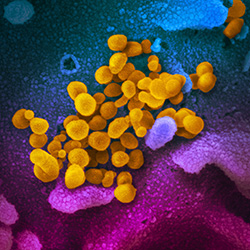 During flu season, what are the best ways to avoid catching a virus?
The Centers for Disease Control tell us to wash our hands frequently and thoroughly. Wash for 20 seconds with soap and running water. Avoid touching your face, eyes , nose or mouth with unwashed hands. If your doctor recommends a flu shot, listen to their advice, particularly relevant for elders and people with immunity concerns
Eat a healthy diet, rich in fruits and vegetables. Various nutrients in food help your immune system fight off pathogens.
Read More »
 Researchers have repeatedly found that regular exercise improves health and immunity. They see reduced risk of cardiovascular, respiratory, and digestive problems, vision conditions, weight management issues, hormonal imbalances, and those who get regular moderate exercise have stronger immune system. Depending on our personal likes and dislikes, this exercise can be moderate or intense, but regular modest exercise has been shown again and again to have a beneficial effect on the immune system.
Read More »
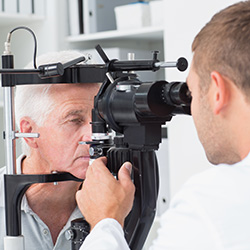 Getting a thorough eye exam has always been about more than reading letters off an eye chart. That is even truer today. One reason: We are harder on our eyes than ever before. Many of us spend hours each day staring and squinting at screens, developing digital eyestrain, and exposing our eyes to potentially damaging blue light.
But the typical tests offered during a standard eye exam may not go far enough to find problems as early as possible. Even a basic dilated eye exam may not be enough.
Read More »
Natural Practitioner Magazine published this interview with Dr. Marc Grossman in January 2020.
Read More »
 Scientists are learning more about nutrients that impact the cells and brain. Pyrroloquinoline quinone (PQQ) is a nutrient found in certain fruits, vegetables, tea, and eggs. PQQ supplements appear to improve mitochondrial functioning and improve the brain. As people age, the tiny mitochondria inside cells become increasingly damaged. PQQ is a quinone that could prove to be an important anti-aging supplement.
Humans cannot produce their own pyrroloquinoline quinone. You can get some PQQ through your diet. PQQ is found naturally in food such as bananas, cabbage, carrots, celery, egg yolks, fava beans, field mustard, green peppers, kiwi, miso, natto (fermented soybeans), oranges, papayas, parsley, potatoes, spinach, sweet potatoes, tofu, tomatoes, and green teas. Bacteria inside of people may be able to produce some PQQ. However, PQQ supplements provide a steady, predictable dose. We recommend just 10 mg to 20 mg of PQQ supplements per day.
Read More »
 Have you ever noticed specks or clouds in your field of vision? They are most likely eye floaters. Floaters can look like cobwebs, blobs, dots, or little insects that float around. Eye floaters can be semi-transparent or darker. If you have them, they are more noticeable in certain lighting conditions, such as bright sunlight. You might not notice them at all unless you are looking for them.
Read More »
Natural Eye Care, Inc.
3 Paradies Lane
New Paltz, New York 12561
Phone: 845.475.4158

NaturalEyeCare™ started in 1999 to help the public and professionals learn about complementary care in eye disease treatment.
The information and recommendations we offer are based on over 30 years of peer review research and personal clinical experience which guides us in providing a valuable resource to our readers, customers and patients regarding maintaining healthy vision naturally.
We believe that vision health is intimately connected to overall mental, physical and spiritual health. Therefore we encourage people to look at their overall lifestyle and diet as part of keeping healthy vision and reducing the risk of eye disease onset. This includes diet, regular exercise, and management of daily stress. If one has health issues such as high blood pressure, a thyroid imbalance, any autoimmune disease and/or are on medication(s), these possible contributions to eye disease should considered when working with your health care professional.
Please do not hesitate to call us at 845.475.4158 with any questions and concerns.