
 Researchers have found that there is a correlation between a larger brain volume and higher levels of omega-3 fatty acids. This suggests that the typical loss of brain cells and volume that occurs with age can be slowed with diet changes and supplements to increase omega-3 intake.
Two types of omega-3 fatty acids in particular–eicosapentaenoic acid (EPA) and docosahexaenoic acid (DHA)–were examined
Read More »
 A new study shows that omega-3 fatty acids could help with wet macular degeneration. Macular degeneration is expected to increase by 50% in older adults in industrialized countries by 2020. As the leading cause of vision loss in the elderly, it is a condition of serious significance. The macula is the central part of the retina. While it makes up only about 2% of the total retina, the brain devotes half of its visual processing network to information from the macula. It is responsible for central vision. The retina is a thin layer of nerves
Read More »
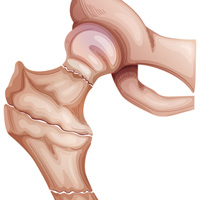 Researchers at Ohio State University examined the effect of high levels of omega-3 fatty acids in the blood of postmenopausal women. The study found that this showed a lower risk of hip fractures in the patients.
Hip fracture and bone loss issues are often increased by inflammation. Omega-3 fatty acids are already known to lower inflammation. The study thus posed the question of whether omega-3 fatty acid intake might lower fracture risk.
Read More »
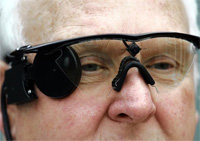 The first implanted device for adults with retinitis pigmentosa has been approved by the U.S. Food and Drug Administration. Called the Argus II Retinal Prosthesis System, the device includes a tiny video camera, a transmitter (on a pair of glasses), and a video processing unit. The patient’s retina is replaced with a prosthesis. The camera wirelessly transmits visual information to the retinal prosthesis to improve vision.
 A significant study has found that the deleterious effects of traumatic brain injury in American football players can be mitigated using a natural regimen of weight loss (if needed), fish oil, vitamins, and brain-enhancing supplements including ginkgo biloba. The positive results could help reverse brain damage in contact sport athletes, alcohol and drug addicts, chronic traumatic encephalopathy (CTE) and people who have had brain damage from concussions.
 As people age, eye diseases and conditions that commonly occur include macular degeneration, cataracts, vitreous tears/retinal tears and detachments, glaucoma, diabetic retinopathy, dry eyes, and eye floaters.
The question arises as to whether eye disease is inevitable with age. Will all older adults eventually have a “glint” in their eyes after cataracts surgery? More than 50% of people aged 75+ have glaucoma, cataracts, or macular degeneration. Can aging adults do anything to prevent, manage or slow down eye diseases associated with aging?
A large body of research is accumulating that shows the effects of regular eye exercises, good nutrition, and targeted supplementation on preventing and/or managing eye conditions. For instance, peer-reviewed research has shown that the risk of getting macular degeneration can be significantly reduced by taking fish oil and lutein on a daily basis. Vigorous exercise may reduce the incidence of glaucoma. And the effects of antioxidants on preventing cataract and macular degeneration have been the subject of significant research.
 A breakthrough laboratory study has found that DHA, an Omega 3 fatty acid, prevented Age-Related Macular Degeneration (ARMD).
A Canadian research team at the University of Alberta Faculty of Medicine and Dentistry fed DHA to mice and measured the levels of a toxin called lipofuscin. Lipofuscin builds up in the eye with age, causing ARMD. Mice who ate the DHA for at least 6 months had significantly lower levels of the toxin.
Age-related macular degeneration affects around nine million adults aged 40+ in the USA. ARMD can cause serious loss of vision. It affects the central part of vision, not peripheral vision. Deterioration of the cells in the macula at the eye’s center makes reading, writing, and driving difficult.
 A research study published in Archives of Ophthalmology showed that ingesting omega-3 fatty acids and fish affects the incidence of AMD (age-related macular degeneration, or ARMD) in women. This large study (nearly 40,000 participants) over 10 years found that women who had the highest of intake of Docosahexaenoic acid (DHA, an omega-3 fatty acid) had the lowest risk of AMD versus subjects with the lowest intake. Women who ate at least one serving of fish per week had a relative risk of AMD of 0.58 compared with women who ate less than one serving per month.
This was a retrospective study that involved 39,876 female health care workers completing food frequency questionnaires. At the beginning of the study, none of them had ARMD. 265 developed age-related macular degeneration by the end of the ten-year study. Few regular fish eaters developed the disease, but the ladies who skimped on fish were significantly more likely to get AMD.
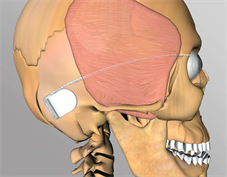 Two men blinded by retinitis pigmentosa have had their sight partially restored by receiving electronic retinal implants at King’s College Hospital in England.
The surgery involves implanting a 3×3 mm2 microchip with 1,500 electrodes below the retina. A thin cable is run to a special sub-dermal control unit that is implanted behind the ear. When light reaches the eye, pixels in the chip are stimulated, sending electronic signals to the optic nerve and then to the brain. An external power unit can be connected to the chip using a magnetic disk implanted on the scalp. This allows the chip’s sensitivity to be altered.
Clinical trials began more than 6 years ago. The technology is improving over time, with the more recent patients reporting better visual acuity.
As the “Baby Boomer” generation in the United States approaches their 60’s and beyond, the incidence of eye disease in this aging population will rise. Eye problems become more prevalent as an individual ages. What are the most common eye diseases in older people? How can eye geriatric eye disease be prevented and addressed naturally? And what does Baby Boomer natural eye care look like?
Read More »
Natural Eye Care, Inc.
3 Paradies Lane
New Paltz, New York 12561
Phone: 845.475.4158

NaturalEyeCare™ started in 1999 to help the public and professionals learn about complementary care in eye disease treatment.
The information and recommendations we offer are based on over 30 years of peer review research and personal clinical experience which guides us in providing a valuable resource to our readers, customers and patients regarding maintaining healthy vision naturally.
We believe that vision health is intimately connected to overall mental, physical and spiritual health. Therefore we encourage people to look at their overall lifestyle and diet as part of keeping healthy vision and reducing the risk of eye disease onset. This includes diet, regular exercise, and management of daily stress. If one has health issues such as high blood pressure, a thyroid imbalance, any autoimmune disease and/or are on medication(s), these possible contributions to eye disease should considered when working with your health care professional.
Please do not hesitate to call us at 845.475.4158 with any questions and concerns.