
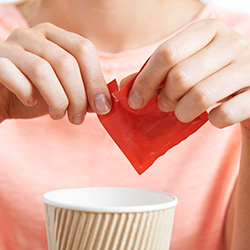
 Artificial sweeteners are marketed to dieters and diabetics as a low-calorie alternative to sugar. However, a meta-study found that these sweeteners have negative impacts on gut bacteria, appetite, and metabolism.1 Ironically, long-term users of artificial sweeteners were more likely to experience weight gain and obesity than non-users. They also had a higher incidence of weight-related diseases such as high blood pressure, diabetes, heart disease.
Research has indicated that artificial sweeteners can also be neurotoxic, so may be contraindicated for optic nerve issues and brain health.
Read More »
 A study in the Journal of the American Geriatrics Society found that seniors had better memory and attention if they followed the Mediterranean Diet. Many seniors struggle with memory and attention impairment. Research is finding that what you put in your mouth strongly impacts brain functioning. A large body of research shows that certain types of diets have better cognitive outcomes than others.
At Natural Eye Care, we recommend the Mediterranean Diet. Saying the word “diet” does not necessarily imply losing weight. Rather, this style of eating
Read More »
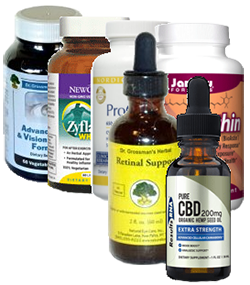 More and more research is pointing to inflammation as playing a role in a wide range of diseases. Alzheimer’s disease, heart disease, cancer, and arthritis, and even the visible signs of aging are all linked to chronic inflammation. Autoimmune disorders such as rheumatoid arthritis, multiple sclerosis, lupus, and Sjogren’s Syndrome can damage the eyes. Also, major eye diseases including Inflammatory (Uveitic) Glaucoma and Wet Macular Degeneration involve inflammation. Anti-inflammatory supplements can help tackle these conditions.
Therefore, Dr. Grossman at Natural Eye Care has developed the Anti-Inflammatory Eye
Read More »
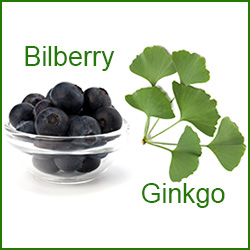 Natural Eye Care has created a new antioxidant supplement, “Dr. Grossman’s Bilberry/Ginkgo Combination Wild Crafted Extract Formula” to help support vision health and circulation. These natural extracts contain powerful antioxidants that counteract free radicals. The formula is designed to help prevent cellular damage, and even reverse it. Many eye diseases, including macular degeneration, cataracts, and glaucoma, are rooted in cellular damage from free radicals.1 2
Read More »
 A strong study in the International Journal of Ophthalmology found that omega-3 fatty acids significantly reduced dry eyes. Dry eye syndrome is becoming more prevalent in the West from extended close-up work on computers and phone screens. The condition can also be caused by an autoimmune disorder; it can accompany menopause; and it can have other causes. Symptoms include burning, dryness, irritation, a feeling of grit, and difficulty reading for extended periods.
Omega-3 fatty acids are found in highest quantity in
Read More »
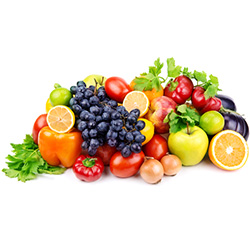 The links between antioxidants and vision health are strong. Antioxidants are the antidote to oxidization. Normal metabolism creates free radicals. These are atoms that lack an electron. Free radicals roam about the body, scavenging electrons and stealing electrons from healthy cells. This results in permanent damage to these afflicted cells which ultimately can result in disease. Significant research has shown that antioxidants protect against this cellular damage and are essential for maintaining health. The eye is especially vulnerable to free radical damage. Therefore, providing the body with sufficient antioxidants
Read More »
 As we age, our chances of developing a serious vision problem increase significantly. More than half of people over the age of 70 years old have an eye condition such as cataracts, glaucoma, and macular degeneration; people with diabetes often develop diabetic retinopathy. These limiting conditions decrease the quality of life. Being a retired senior means having time to enjoy life, read, travel, play golf, enjoy hobbies, and socialize with friends and family. However, participating in these activities requires clear vision.
We can learn to help preserve our vision and to become active
Read More »
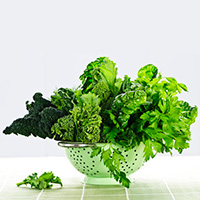 A large study found that people who ate enough leafy greens had a lower risk of getting primary open-angle glaucoma. A large body of research show the positive impact that good nutrition has on vision health. Eating sufficient amounts of vegetables provides the body with important nutrients.
The eye is made from nutrients. Leafy green vegetables are loaded with vitamin K, magnesium, iron, calcium, beta-carotene, carotenoids and other antioxidants, and the eye nutrients lutein
Read More »
 For dry eyes, not all fish oils supplements are the same. A recent study found that re-esterified triglyceride omega-3 fatty acids were superior for tackling dry eye symptoms. The triglyceride form is similar but more economical than the re-esterified triglyceride form.
Omega 3 fatty acids occur naturally in fish. These antioxidants have been shown to have significant across-the-board health benefits. Our bodies are not capable of
Read More »
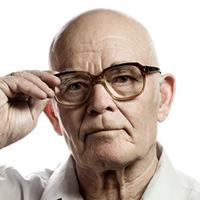 Macular edema is a swelling of the macula, the part of the eye responsible for central vision. When fluid builds up in the macula, it becomes swollen and thicker. This distorts vision. There are several causes, including diabetic retinopathy, post-eye surgery complications, macular degeneration, injury, systemic inflammatory diseases that can affect the eye, and/or vein blockages. If an eye disease causes damage to blood vessels in the retina, it can cause macular edema. Left untreated, this problem can cause serious vision loss and even blindness.
An eye doctor will direct your care should macular
Read More »
Natural Eye Care, Inc.
3 Paradies Lane
New Paltz, New York 12561
Phone: 845.475.4158

NaturalEyeCare™ started in 1999 to help the public and professionals learn about complementary care in eye disease treatment.
The information and recommendations we offer are based on over 30 years of peer review research and personal clinical experience which guides us in providing a valuable resource to our readers, customers and patients regarding maintaining healthy vision naturally.
We believe that vision health is intimately connected to overall mental, physical and spiritual health. Therefore we encourage people to look at their overall lifestyle and diet as part of keeping healthy vision and reducing the risk of eye disease onset. This includes diet, regular exercise, and management of daily stress. If one has health issues such as high blood pressure, a thyroid imbalance, any autoimmune disease and/or are on medication(s), these possible contributions to eye disease should considered when working with your health care professional.
Please do not hesitate to call us at 845.475.4158 with any questions and concerns.