
 Transplanting light-sensitive photoreceptor cells into mice with night blindness resulted in improved night vision. Night blindness means seeing poorly in the darkness, but seeing normally when there is enough light. In this groundbreaking research, scientists injected light-sensitive photoreceptor cells into night-blind mice’s eyes. After this treatment, the animals were able to see well enough to navigate a water maze and swim toward a visual cue in dimly lit conditions. Controls who did not receive the treatment were unable to efficiently navigate the maze.
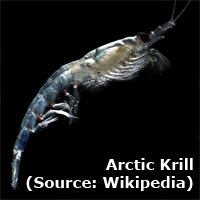 Age-related macular degeneration is a serious and common eye ailment in the aging population, but an Italian study showed that taking just 4mg of astaxanthin per day mitigated the symptoms.
ARMD — Age-Related Macular Degeneration – is the gradual breakdown of the cells of the macula. The macula a small, yellow-colored part of the eye that is near the center of the retina. When this breaks down, central vision is compromised. People with ARMD often have difficulty recognizing faces, reading, writing, and driving. Peripheral vision is unaffected.
 As people age, eye diseases and conditions that commonly occur include macular degeneration, cataracts, vitreous tears/retinal tears and detachments, glaucoma, diabetic retinopathy, dry eyes, and eye floaters.
The question arises as to whether eye disease is inevitable with age. Will all older adults eventually have a “glint” in their eyes after cataracts surgery? More than 50% of people aged 75+ have glaucoma, cataracts, or macular degeneration. Can aging adults do anything to prevent, manage or slow down eye diseases associated with aging?
A large body of research is accumulating that shows the effects of regular eye exercises, good nutrition, and targeted supplementation on preventing and/or managing eye conditions. For instance, peer-reviewed research has shown that the risk of getting macular degeneration can be significantly reduced by taking fish oil and lutein on a daily basis. Vigorous exercise may reduce the incidence of glaucoma. And the effects of antioxidants on preventing cataract and macular degeneration have been the subject of significant research.
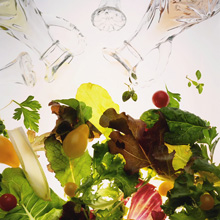 A new study demonstrated that adding oil or fats to your salads and vegetables increases the body’s ability to absorb vision-boosting lutein, lycopene, beta-carotene, zeaxanthin and other carotenoids. Carotenoids are a family of nutrients that absorb blue light. They are naturally colored in the yellows and reds on the light spectrum.
The study in the Journal Molecular Nutrition & Food Research showed that monounsaturated fats allowed for the best absorption of carotenoids. Carotenoids are antioxidants that are associated with reduced risk of major diseases afflicting Westerners including CV – heart disease and cardiovascular disease, cancer and macular degeneration. Another study showed that supplementing with a carotenoid in the family of lutein called zeaxanthin improved vision in elderly adults with macular degeneration.
Many natural foods are rich in carotenoids. Here are some recipe ideas:
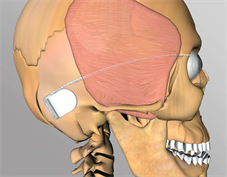 Two men blinded by retinitis pigmentosa have had their sight partially restored by receiving electronic retinal implants at King’s College Hospital in England.
The surgery involves implanting a 3×3 mm2 microchip with 1,500 electrodes below the retina. A thin cable is run to a special sub-dermal control unit that is implanted behind the ear. When light reaches the eye, pixels in the chip are stimulated, sending electronic signals to the optic nerve and then to the brain. An external power unit can be connected to the chip using a magnetic disk implanted on the scalp. This allows the chip’s sensitivity to be altered.
Clinical trials began more than 6 years ago. The technology is improving over time, with the more recent patients reporting better visual acuity.
 The macular pigment of the eye is formed by a combination of lutein and zeaxanthin. Lutein is more than just a filter of blue light and an antioxidant. Consider these points about lutein:
 A study indicates that melatonin supplements may slow and even reverse the effects of age-related macular degeneration (ARMD). ARMD is the leading cause of serious vision loss in elderly persons.
The symptoms of ARMD include seeing wavy lines that should be straight, blurred text, and/or dark or empty spaces in the center of the field of vision. The cells that sense light in the eye’s macula stop functioning correctly and after some time, they do not work at all. A simple visual test called the Asmler grid is an effective screening for age-related macular degeneration.
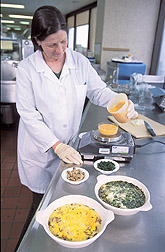
US government scientists realize the important role that nutrition plays in the health of the eyes.
Cataracts are caused by an accumulation of free radicals that cloud the lens of the eye through a process called oxidation. Antioxidants, these researchers agree, “are compounds in foods that help maintain healthy cells and tissues in the eye and other organs.” Prime sources of antioxidants include: leafy greens, eggs, blueberries, and bilberries.
In a study of almost 500 middle aged and older women, it was discovered that those who consumed more riboflavin, folate, beta carotene, lutein, zeaxanthin, and vitamins C and E were less likely to suffer from cataract symptoms than did those who consumes the least amounts of these nutrients.
Read More »
Add: Eggs | Walnuts | Omega-3 | Fatty Fish | Other Nutrients
Limit: Refined Carbohydrates | Red Meat
Natural Eye Care, Inc.
3 Paradies Lane
New Paltz, New York 12561
Phone: 845.475.4158

NaturalEyeCare™ started in 1999 to help the public and professionals learn about complementary care in eye disease treatment.
The information and recommendations we offer are based on over 30 years of peer review research and personal clinical experience which guides us in providing a valuable resource to our readers, customers and patients regarding maintaining healthy vision naturally.
We believe that vision health is intimately connected to overall mental, physical and spiritual health. Therefore we encourage people to look at their overall lifestyle and diet as part of keeping healthy vision and reducing the risk of eye disease onset. This includes diet, regular exercise, and management of daily stress. If one has health issues such as high blood pressure, a thyroid imbalance, any autoimmune disease and/or are on medication(s), these possible contributions to eye disease should considered when working with your health care professional.
Please do not hesitate to call us at 845.475.4158 with any questions and concerns.