
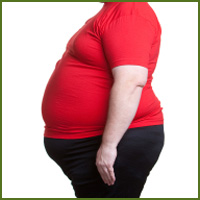
 The obesity epidemic may have an impact on the health of the eyes. While scientific studies do not seem to have found a direct link between obesity and eye disease, maintaining a healthy weight supports your overall health and helps prevent diseases that can harm the eyes. Here’s why.
Obesity is a step up from “overweight.” The National Institute of Health (NIH) in the United States, commonly uses Body Mass Index (BMI). This is a ratio of height to weight. Overweight is a BMI of 25-29, and obesity is a BMI of 30 or more. For example, 5′ 7″ person who weighs 160 pounds would have a BMI of 25 (just barely overweight). This same person at 195 pounds would have a BMI of 30 (obese) and at serious risk of disease such as heart disease, cardio-vascular disease, stroke, cancer, diabetes and lower-body joint problems.
 A research study published in Archives of Ophthalmology showed that ingesting omega-3 fatty acids and fish affects the incidence of AMD (age-related macular degeneration, or ARMD) in women. This large study (nearly 40,000 participants) over 10 years found that women who had the highest of intake of Docosahexaenoic acid (DHA, an omega-3 fatty acid) had the lowest risk of AMD versus subjects with the lowest intake. Women who ate at least one serving of fish per week had a relative risk of AMD of 0.58 compared with women who ate less than one serving per month.
This was a retrospective study that involved 39,876 female health care workers completing food frequency questionnaires. At the beginning of the study, none of them had ARMD. 265 developed age-related macular degeneration by the end of the ten-year study. Few regular fish eaters developed the disease, but the ladies who skimped on fish were significantly more likely to get AMD.
 Patients taking statin drugs to lower cholesterol might be more likely to get muscle injuries, especially elderly patients.(1) Side effects and adverse reactions, according to other research, may include increased stroke risk, higher risk of Type II Diabetes, low iron, pancreatic dysfunction, sexual dysfunction, suppressed immune system, muscle pain, and more.
Be aware that increased incidence of cataracts may also be linked with statin drugs. A study(2) suggests that statin drugs are associated with an increased risk of cataracts in both men and women. In the study, cataracts risk went up within 12 months of starting statin drugs, continued while taking the drug, and dropped back to normal
Read More »
 When you are in your 30’s, your skeletal muscle mass will peak. After that, they will reduce slightly in number and size every year. By the time you are in your 50’s, 15% of muscle mass may be lost, and by your 80’s, as much as 30% of muscle mass may be lost.
Obviously, strength training is crucial to strengthen your muscles and increase their size. Being strong and fit helps maintain good health and energy, reduces osteoporosis and cardiovascular disease, burns calories for weight management, improves sleep, cuts cancer risk, and much more!
Everyone should make exercise a priority throughout their lives. However, up to 75% of older Americans do not get enough exercise.(1)
Read More »
Lupins lining the roadsides are common sights for anyone who has visited Atlantic Canada or Maine during the summertime, but have you ever heard of eating lupine seeds? Even better, have you ever heard about how good lupin flour can be for the heart?
A study out of the University of Western Australia describes how it is possible to lower your risk of heart disease “significantly” by replacing conventional wholemeal flour with a blend that contains 40% lupin beans. A yearlong study of over 100 overweight men and women showed that increasing one’s intake of “lupin flour lowered blood pressure and reduced the risk of heart disease.”
Read More »

A holistic perspective on health means that we recognize the interrelated nature of the body’s systems. It also means that we understand the connection between the eyes and seemingly unrelated conditions like sleep apnea and circulatory problems.
People who have sleep apnea are 75% more likely to have glaucoma than those without sleep conditions.
Read More »
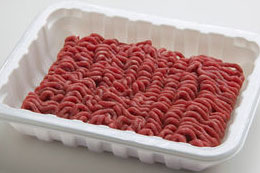
Another round of beef recalls due to potential E. coli contamination has made the news today. Over 14,000 pounds of contaminated ground beef may sit on supermarket shelves in 10 states.
The meat is available under various brand names in Arizona, California, Georgia, Indiana, Iowa, Missouri, North Carolina, Ohio, Pennsylvania, and Washington.
E. coli related infections can cause bloody diarrhea, dehydration, and, in severe cases, kidney failure and most seriously affects the very young, the very old, and those with compromised immune systems. Source: WebMD
Read More »
Free radicals might be a good thing?
At Natural Eye Care, we extol the benefits of antioxidants because they fight the free radicals that lead to oxidation, which in turn cause aging: skin changes such as the appearance wrinkles, and ocular changes, including the development of cataracts and macular degeneration.
Your eyes love antioxidants like those found in bilberry (a close relative to the blueberry) and in high quality supplements.
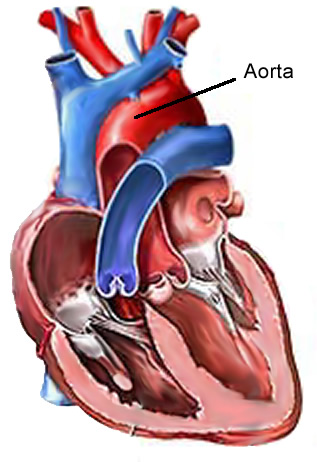
And yet, a new study published in The Journal of Physiology (online 28 February 2011) describes how free radicals are actually essential to the healthy functioning of the heart.
Read More »
Natural Eye Care, Inc.
3 Paradies Lane
New Paltz, New York 12561
Phone: 845.475.4158

NaturalEyeCare™ started in 1999 to help the public and professionals learn about complementary care in eye disease treatment.
The information and recommendations we offer are based on over 30 years of peer review research and personal clinical experience which guides us in providing a valuable resource to our readers, customers and patients regarding maintaining healthy vision naturally.
We believe that vision health is intimately connected to overall mental, physical and spiritual health. Therefore we encourage people to look at their overall lifestyle and diet as part of keeping healthy vision and reducing the risk of eye disease onset. This includes diet, regular exercise, and management of daily stress. If one has health issues such as high blood pressure, a thyroid imbalance, any autoimmune disease and/or are on medication(s), these possible contributions to eye disease should considered when working with your health care professional.
Please do not hesitate to call us at 845.475.4158 with any questions and concerns.