
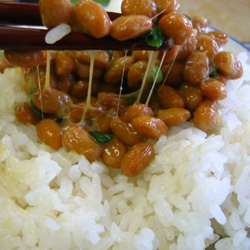
 Researchers are finding that food and supplements containing nattokinase may reverse atherosclerosis. Current treatments for hardening of the arteries slow down the progression of heart disease. Effectively reversing atherosclerotic lesions would be a dream come true for drug manufacturers. Nattokinase is the most active ingredient in natto. Natto is a traditional Japanese food made from fermented soybeans. Could we increase our longevity by consuming natto or nattokinase supplements?
Read More »
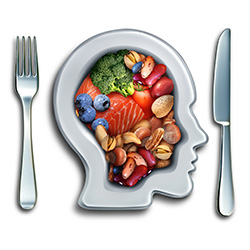 Brain health is especially important in seniors. Seniors are susceptible to dementia, Alzheimer’s disease, memory problems, and cognitive decline. Which foods boost brain power the most? At Natural Eye Care, we have picked eleven common foods that have brain-saving properties. Scientists have been studying the nutrients in foods for decades. They have isolated specific nutrients that cross the blood-brain barrier. These types of nutrients get direct access to the brain and even the retina. The retina is made from neural tissue. Researchers find that many of the nutrients helpful for the brain also stave off eye diseases such as macular degeneration and glaucoma.
Try adding some of these foods to your regular diet. Seniors need fewer calories than younger folks. Therefore, replace “junk food” like cookies, candy, and chips with these brain-boosters.
Read More »
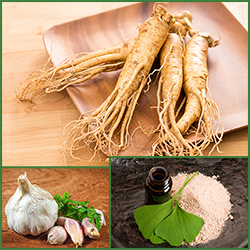 Three time-tested supplements stand out as champions for eye and brain health: garlic, ginseng, and ginkgo. Research on these supplements backs up why they have been used for thousands of years. Garlic plays an important role in all three major traditional medicines–Traditional European Herbal Medicine, Ayurveda, and Traditional Chinese Medicine. Ginseng and ginkgo are crucial herbs in Traditional Chinese Medicine. Do these supplements work? Are they beneficial for aging brains and eyes? What does the research show?
Read More »
 Scientists recently discovered a fat molecule that they called “palmitoleic acid”, a type of Omega-7 fatty acid. The substance appears to have special anti-inflammatory properties. Omega-7 occurs in certain fish oils and nuts. You may have heard of Omega-3 fatty acids, which come mostly from cold water fatty fish. Omega-3s reduce inflammation and heart disease risk. Omega-6 fatty acids occur in primarily in nuts and seeds, vegetable oil and grains. Omega-6 fatty acids are polyunsaturated fats. Omega-7s are monounsaturated fats, similar to olive oil. How are these types of fats different? What makes palmitoleic acid so important for preventing Type 2 diabetes and metabolic syndrome? Should you get them through food or supplements? How much should you take?
Read More »
There are a number of food sources that lower cholesterol, reduce heart disease and cut the risk of Macular Degeneration naturally. These include olive oil, oat bran, apples, walnuts, red rice yeast, omega-3 fatty acids, and nattokinase.
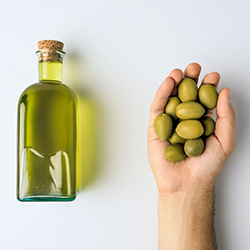
There are several foods that help lower cholesterol levels.
Foods that are high in soluble fiber help reduce cholesterol. Soluble fiber draws water into the gut, softening stools and promoting regularity. Gut-friendly bacteria eat soluble fiber. Dietary fiber can be soluble or insoluble. Women should get 25 grams of dietary fiber per day, and men should get 38 grams per day. However, few Americans regularly reach this recommended daily amount (RDA).
Read More »
 You may have heard that French Maritime pine bark extract, or Pinus pinaster, can reduce atherosclerosis. Hardening of the arteries is a leading cause of heart attacks and stroke. The middle-aged and seniors are vulnerable to high cholesterol, high blood pressure, and high blood sugar. Diet, exercise, and weight management are important for controlling metabolic syndrome. Additionally, this extract has been shown to alter fat metabolism and inflammation that are factors in atherosclerosis. How does French Maritime Pine bark extract address plaque build-up in the arteries?
Read More »
 What is this new buzzword “glycation”? When sugars bind with protein molecules, aging apparently accelerates.
Doctors are starting to offer the hemoglobin A1c blood test to more patients because tissue glycation is suspected of accelerating aging. This simple blood test was typically reserved for diabetics. However, research is pointing to its usefulness for all ageing individuals. The test results are good indicators of poor blood sugar control, disease risk, and longevity.
Glycation is the binding together of sugar and protein molecules. A visible result of glycation is
Read More »
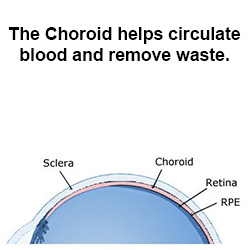 The eye has a delicate vascular system. Eye circulation brings oxygen and nutrients to the eyes. It also removes waste products. The “choroid” is the part of the eye that circulates blood. Fats and blood clots that damage the arteries can also clog the arteries and veins in the eyes. This condition is common as people age. Poor circulation is associated with many eye diseases:
 The links between antioxidants and vision health are strong. Antioxidants are the antidote to oxidization. Normal metabolism creates free radicals. These are atoms that lack an electron. Free radicals roam about the body, scavenging electrons and stealing electrons from healthy cells. This results in permanent damage to these afflicted cells which ultimately can result in disease. Significant research has shown that antioxidants protect against this cellular damage and are essential for maintaining health. The eye is especially vulnerable to free radical damage. Therefore, providing the body with sufficient antioxidants
Read More »
 While Americans spend billions of dollars each year on how they LOOK, little attention is given to how they SEE. Seniors are especially vulnerable to eye diseases such as glaucoma, age-related macular degeneration, and cataracts, as well as hypertension-related eye damage such as retinal vein occlusion.
The American Academy of Ophthalmology issued guidelines on aging and the eye as a result of its 2015 Eye-Q© Survey1 (updated with 2016 data).
Here is a summary of their recommendations.
Natural Eye Care, Inc.
3 Paradies Lane
New Paltz, New York 12561
Phone: 845.475.4158

NaturalEyeCare™ started in 1999 to help the public and professionals learn about complementary care in eye disease treatment.
The information and recommendations we offer are based on over 30 years of peer review research and personal clinical experience which guides us in providing a valuable resource to our readers, customers and patients regarding maintaining healthy vision naturally.
We believe that vision health is intimately connected to overall mental, physical and spiritual health. Therefore we encourage people to look at their overall lifestyle and diet as part of keeping healthy vision and reducing the risk of eye disease onset. This includes diet, regular exercise, and management of daily stress. If one has health issues such as high blood pressure, a thyroid imbalance, any autoimmune disease and/or are on medication(s), these possible contributions to eye disease should considered when working with your health care professional.
Please do not hesitate to call us at 845.475.4158 with any questions and concerns.