
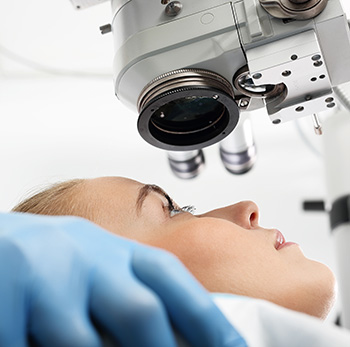
 Two-thirds of your eye comprises the vitreous, composed of about 98% water and 2% collagen, hyaluronic acid, other substances, and fibers that attach to the retina. It takes up the space between the retina and the lens and has many important functions:
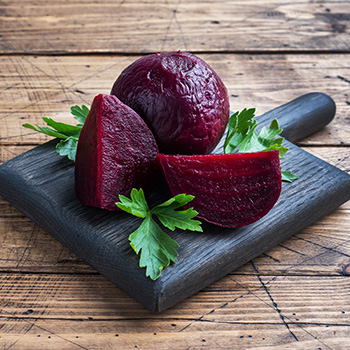
Why is nitric oxide important for vision?
Nitric oxide, one of the principal oxides of nitrogen, is produced naturally to assist with many health aspects. It contributes to vasodilation, relaxing the muscles that line your blood vessels allowing them to widen and improve circulation. In that capacity it allows nutrients and oxygen to travel throughout the body efficiently.
As a free radical, in excess, nitric oxide (NO) contributes to inflammation, so should only be taken in recommended dosages. In a balanced system, it is beneficial and can actually reduce inflammation. And in the case of glaucoma, it can be helpful in reducing elevated eye pressure (IOP) naturally.
Read More »
Untreated dry eye syndrome can cause permanent eye damage,1 particularly to the cornea.
Relief for Dry Eyes
Dry eye syndrome affects up to 49 million Americans. It is an epidemic partially the result of excessive computer and cell phone use. Studies have shown that people who use computers, smart phones and tablets are at greater risk for dry eye syndrome,2 at least partially due to the fact that they blink less during computer usage, reducing the protective tear film over the surface of the cornea.
Read More »
 Did you know that how well your gut works is directly related to your healthy vision and your healthy brain?
Healthy gut microbiota function is linked to normal central nervous system (CNS) function. The microbiota is defined as all microorganisms in a particular location, such as the GI tract, and their respective genetic material. The microbiome is initially developed transmission through the placenta, amniotic fluid, and meconium. The human gut microbiota comprises more than 100 trillion microorganisms associated with multiple functions, from nutrient metabolism to protection against pathogens.
Read More »
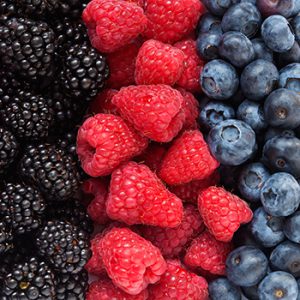
When threatened, the tissues of your body respond with inflammation in order to maintain stability and permit healing. Bio-chemicals in your white blood cells increase the blood flow to the area of injury or infection causing redness, warmth, and swelling. That’s why you have a fever when sick, why your finger swells if you don’t remove a splinter promptly, or why your eyes get red and itchy when the air isn’t clean.
Read More »
 Does Sunlight Danger Outweigh the Benefits?
Many studies demonstrate that exposure to sunlight provides protection to diseases such as hypertension, diabetes, multiple sclerosis, and a variety of cancers, and avoiding sunlight may influence their progression.1 It has been thought that these protections are due only to vitamin D, whose creation requires sunlight, but researchers are now reporting that circadian clock influencing, immune response modification, and nitric oxide, melatonin, and serotonin formation are involved as well.2 In fact, researchers are finding that the risk of skin cancer increases with irregular patterns of sun exposure, while regular patterns convey relatively lower risk. This is the difference between getting sunburned versus a brisk daily walk in the sunlight.
Read More »
 Poor night vision or night blindness can be a life-limiting symptom. Night blindness can be caused by either an inherited or acquired reason. Poor night vision disorders (night blindness, impaired dark adaptation, etc.) include the experience of reduced vision in dimly lit environments, including at night. They include partial or complete impairment in ability of the eyes to adapt from brightness to darkness. It is not a disease in itself, but rather a symptom of an underlying problem, usually located in the retina.
Read More »
 Natural Treatments for the Eyelid
For mild cases of chalazion, styes, pterygium, and blepharitis, the following are ways to naturally treat these conditions. If these issues are persistent or affecting your vision, be sure to get seen by your eye doctor.
Note that our EyeEase Formula 2 fl oz is back in stock.
Read More »
 The most common form of glaucoma is “open-angle” glaucoma, where the eye pressure or IOP remains higher than normal (typically 8-20 mm Hg). Eye doctors also look at changes in peripheral field typically measured with a visual fields test and any changes in the optic nerve such as optic nerve thinning or increased cupping. Ocular hypertension is diagnosed when IOP is higher than normal but there as no signs of glaucoma. In addition glaucoma can occur without high IOP, “normal or low tension glaucoma.”
Read More »
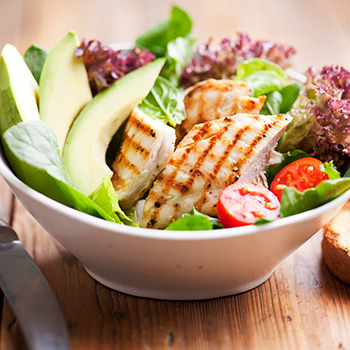 Food for the Brain
Eating a healthy diet is one of the critical factors in helping both maintain good brain, eye and overall health. Also, the way we eat affects our digestion and how well we are able to breakdown and absorb the essential nutrients in the food we take in. Here are some basic recommendations.
Read More »
Natural Eye Care, Inc.
3 Paradies Lane
New Paltz, New York 12561
Phone: 845.475.4158

NaturalEyeCare™ started in 1999 to help the public and professionals learn about complementary care in eye disease treatment.
The information and recommendations we offer are based on over 30 years of peer review research and personal clinical experience which guides us in providing a valuable resource to our readers, customers and patients regarding maintaining healthy vision naturally.
We believe that vision health is intimately connected to overall mental, physical and spiritual health. Therefore we encourage people to look at their overall lifestyle and diet as part of keeping healthy vision and reducing the risk of eye disease onset. This includes diet, regular exercise, and management of daily stress. If one has health issues such as high blood pressure, a thyroid imbalance, any autoimmune disease and/or are on medication(s), these possible contributions to eye disease should considered when working with your health care professional.
Please do not hesitate to call us at 845.475.4158 with any questions and concerns.