
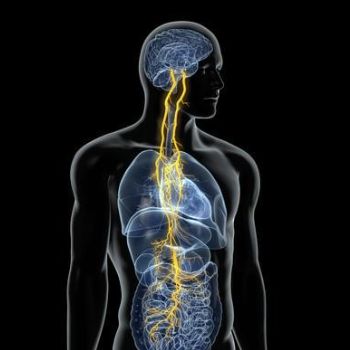
 “Mind-body connection”? It is the link between our emotional/mental and physical selves. The link becomes evident as you learn about gut-brain access and the function of the vagus nerve.
Through two-way communication with the brain via the nervous system, endocrine system, and immune system, the gut and central nervous system form a gut-brain axis. They communicate with each other constantly, in both sickness and health.1 The gastrointestinal tract has its own nervous system that includes neurotransmitters, neurons, and electrical signals. Called the enteric nervous system, it is often referred to as the second brain. Researchers have concluded that mechanisms that degenerate the neurons in the brain also degenerate neurons in the enteric nervous system.2 For example, exercise stimulates gut motility. If the vagus nerve is impaired, as in animal models, the gut has limited motility and nutrient absorption is hindered.3
Read More »
 Myopia on the Rise
Lifestyle changes resulting in reduced outdoor activities coupled with rapid urbanization have been associated with a huge increase in nearsightedness (myopia) across many parts of the world. Indoor activities include concentrated near-work and digital device use which results in myopia.1
Read More »
Iritis, the most common form of uveitis, is more prevalent than most people realize. What are the symptoms of this eye condition? What can you do to prevent and manage all types of uveitis? When does uveitis signal an underlying condition?
Uveitis is an inflammation of the uvea. The uvea is made up of the iris, the colored part of the eye; the ciliary body, which makes the fluid that fills the eye and flexes the eye lens; and the choroid, the layer beneath the retina.
Read More »
Your Eyes Benefit from Lutein, Zeaxanthin, and Meso-zeaxanthin
 Lutein, zeaxanthin, and meso-zeaxanthin are potent antioxidants found in green leafy vegetables, eggs, corn and even chocolate. They have a profound effect on preserving healthy vision, brain function, the immune and cardiovascular systems.
New research is focusing less on the well-established understanding of local benefit from nutrients, e.g. lutein for macular degeneration or cataract, and more on its systemic benefits affecting the immune system, the brain and cognitive function, the eye, cancer, and cardiovascular health.1 In addition, new research is focused on the “why” of the benefit of these carotenoids.
Read More »
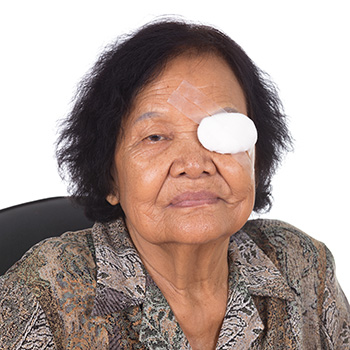 The cornea is in front of the lens. It is a clear layer, seeming to lack substance. However, it is comprised of multiple layers and groups of cells and proteins which are highly organized.
Unlike other parts of the body, the cornea does not contain any blood vessels to nourish or protect the tissue against infection. Instead, the cornea receives its nourishment from tears and aqueous humor, a fluid in the front portion of the eye that fills the chamber between the cornea and the lens. The cornea must remain transparent to refract light properly and enable clear vision. The presence of even the tiniest blood vessels can interfere with this process. To see well, all layers of the cornea must be free of any cloudy or opaque areas.
Read More »
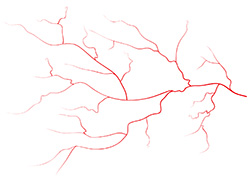 Hypertension increases sharply with advancing age; hence older persons are those most affected by its negative consequences.
High blood pressure can damage blood vessels in the retina. The retina is the layer of tissue at the back part of the eye. It changes light and images that enter the eye into nerve signals that are sent to the brain.
Read More »
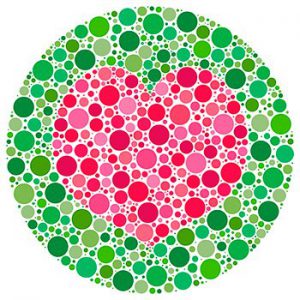 Approximately eight per cent of men and one-half of one per cent of women in the U.S. have a problem with their color perception.
Most colorblind people have lost only part of their color vision. Usually, only one or two types of cones are either absent or not functioning normally. If the dysfunction is in green cones, a person will be deficient picking up green. However, red and blue colors and combinations of red and blue will still be seen.
Read More »
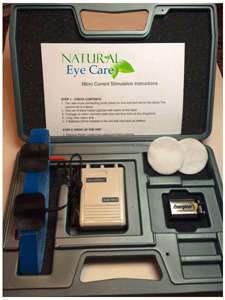
Microcurrent stimulation treatment protocols are designed to help people with retinal disease. MCS works by supporting nourishment and healing to the back of the eyes as well as possibly some cell regeneration. Retinal tissue is easily the most complex tissue in the entire body, and we tell people that they need to commit to regular treatment for a year, because it may take up to a year before they first see results, though benefits may be seen much sooner.
For individuals researching microcurrent for eyes, microcurrent eye therapy, or a microcurrent eye treatment approach for retinal health, microcurrent stimulation therapy has been studied for its potential to support retinal and optic nerve function.
A number of research studies have suggested that daily use of specific microcurrent stimulation for eyes helps promote retinal (as well as optic nerve) health in 3 different ways:
 We’ve all experienced tired eyes, but did you know they are also linked to brain fog?
One factor of tired eyes is decreased rate and velocity of blinking. The blink function is key to keeping the surface of our eyes moist, and helping prevent tired eyes. With fatigue, the blink rate slows and the eyes feel more tired.
Tired eyes is a common complaint to eye doctors. The possible causes include:
Read More »

The most frequent complaint to eye doctors is dry eyes, known as aqueous insufficiency, meibomian gland dysfunction, or dry eye syndrome. Twenty-five percent of patients who visit ophthalmic clinics report symptoms of dry eye, making it a growing public health problem and one of the most common conditions seen by eye care practitioners.
Read More »
Natural Eye Care, Inc.
3 Paradies Lane
New Paltz, New York 12561
Phone: 845.475.4158

NaturalEyeCare™ started in 1999 to help the public and professionals learn about complementary care in eye disease treatment.
The information and recommendations we offer are based on over 30 years of peer review research and personal clinical experience which guides us in providing a valuable resource to our readers, customers and patients regarding maintaining healthy vision naturally.
We believe that vision health is intimately connected to overall mental, physical and spiritual health. Therefore we encourage people to look at their overall lifestyle and diet as part of keeping healthy vision and reducing the risk of eye disease onset. This includes diet, regular exercise, and management of daily stress. If one has health issues such as high blood pressure, a thyroid imbalance, any autoimmune disease and/or are on medication(s), these possible contributions to eye disease should considered when working with your health care professional.
Please do not hesitate to call us at 845.475.4158 with any questions and concerns.