
 With drier weather of windy fall and cold winter, added to our hours on the computer, come increased dry, burning, and itchy eyes, known as dry eye syndrome. This is the number one complaint that eye doctors hear from patients. Most of us experience it at least from time to time.
Some nutrients and formulations are especially helpful.
Dry eye syndrome (DES) develops either because fewer tears are produced (aqueous-deficient DES) or tears evaporate too quickly (hyper-evaporative DES).
Read More »
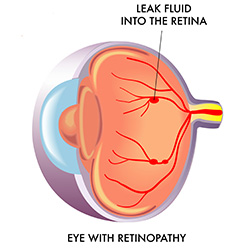
Macular degeneration and diabetic retinopathy have something in common. Although the indirect causes may be different, a consequence of untreated AMD or untreated diabetes is similar. Untreated, both conditions may result in macular microbleeding, in which abnormal capillaries develop (angiogenesis) that leak fluid or blood into the retina. A holistic approach may reduce the risk of the development of abnormal blood vessels bleeding into the retina and destroying vision
Read More »
 Many of us wear a mask to reduce the spread of COVID-19, but could eye protection such as a face shield also help? Science is close to proving connections between coronavirus SARS-CoV-2 and the eye. When may it be helpful to shield the eyes?
Other viruses are known to infect the tissues covering the whites of the eye and inside the eyelid – the conjunctiva. Most of the conjunctiva is exposed to the air, and thus vulnerable to viral attack. Some COVID-19 patients have SARS-CoV-2 infections in the eyes. The virus may have entered the body through this conjunctivitis. To attack the eye, the virus needs to attach to certain types of cells. A small study, currently under peer review, found that a healthy eye’s surface cells contain key factors that SARS-CoV-2 needs to carry out an attack.1
Read More »
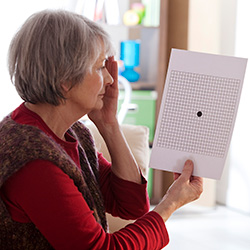 Researchers have found that certain supplement combinations actually modify how genes and proteins affect the behavior of white blood cells in the retina. They are investigating the reasons why certain supplements are helpful against macular degeneration. The answer may be that compounds in the supplements regulate the white blood cells (macrophage phenotypes).1
Seniors in the early stages of age-related macular degeneration (AMD) can become desperate to slow down the eye disease’s progression. The eye doctor typically suggests quitting smoking, eating a healthy diet, getting exercise, and getting regular eye exams.
 Cataracts are one of the most common eye conditions among seniors. A cataract results in clouding the vision, and eventually causes blindness if not treated. The conventional approach to cataracts is to wait and see if it gets worse. When a cataract is advanced, an eye surgeon usually offers cataract surgery. Cataract surgery uses artificial lenses that correct any clouding due to a cataract. It can correct certain refraction errors at the same time. However, not everyone is a good fit for this treatment. Which nutrients help promote healthy lenses and overall eye health? What does recent research into cataract pharmacotherapy show? And, which combinations of nutrients are the most effective for lens support?
Read More »
 More of us experience computer eye fatigue than ever before. We spend more time on the computer or on our digital devices. Technically, digital eye strain is marked by eye discomfort, digital disturbance such as light flashes, double vision, difficulty in focusing, etc, or headaches and migraines. In the case of any sudden change in your vision it is important to consult your medical professional.
But the generic sort of eye strain that most of us experience is often simply characterized by eye fatigue, stiff neck, sort back, irritability, or headaches. There are a number of factors that contribute:
Read More »
 Red, itchy, watery eyes are common in the spring, when allergies and hay fever strike. Sometimes we wake in the morning and what we notice most is that our eyes are itchy and sore. This may be due to a combination of seasonal allergen sensitivity and tired eyes from computer eye fatigue.
Why are the eyes affected? What can you do about the effects of allergies on the eyes in the spring? Any why does eye fatigue worsen the feeling of itchy eyes?
Read More »
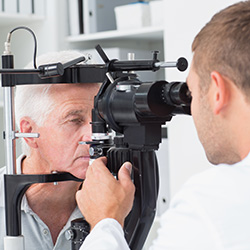 Getting a thorough eye exam has always been about more than reading letters off an eye chart. That is even truer today. One reason: We are harder on our eyes than ever before. Many of us spend hours each day staring and squinting at screens, developing digital eyestrain, and exposing our eyes to potentially damaging blue light.
But the typical tests offered during a standard eye exam may not go far enough to find problems as early as possible. Even a basic dilated eye exam may not be enough.
Read More »
 What are phytochemicals?
Plant-based biochemicals protect our bodies with respect to both overall health and wellbeing and longevity. Natural compounds produced by plants, known as phytochemicals, exert a protective and therapeutic effect against pathological changes in body tissue that may be not only a result of disease, but a cause of disease.1
Read More »
Natural Eye Care, Inc.
3 Paradies Lane
New Paltz, New York 12561
Phone: 845.475.4158

NaturalEyeCare™ started in 1999 to help the public and professionals learn about complementary care in eye disease treatment.
The information and recommendations we offer are based on over 30 years of peer review research and personal clinical experience which guides us in providing a valuable resource to our readers, customers and patients regarding maintaining healthy vision naturally.
We believe that vision health is intimately connected to overall mental, physical and spiritual health. Therefore we encourage people to look at their overall lifestyle and diet as part of keeping healthy vision and reducing the risk of eye disease onset. This includes diet, regular exercise, and management of daily stress. If one has health issues such as high blood pressure, a thyroid imbalance, any autoimmune disease and/or are on medication(s), these possible contributions to eye disease should considered when working with your health care professional.
Please do not hesitate to call us at 845.475.4158 with any questions and concerns.