
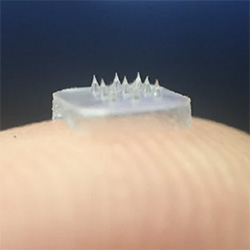
 Instead of getting eye injections, patients with serious eye diseases may in the near future be eligible for a contact lens-type patch.1 Injections are often recommended for eye diseases such as Wet (advanced) Age-Related Macular Degeneration, macular edema, and diabetic retinopathy. The new patch is inserted painlessly like a contact lens. It delivers tiny microneedles containing medication. The microneedles are made from natural materials and dissolve over time, gradually releasing medicine. Patients would be more likely to stick with a regimen that does not involve eye injections.
Read More »
Natural Practitioner Magazine published this interview with Dr. Marc Grossman in January 2020.
Read More »
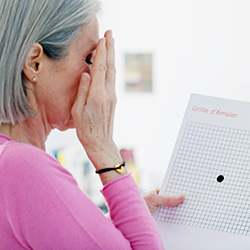 Wet Age-Related Macular Degeneration and Diabetic Retinopathy can lead to vision loss from angiogenesis. Angiogenesis is the growth of unwanted blood vessels in the retina. These excess blood vessels obscure or distort vision and damage the eye. They can result in permanent damage if not treated, typically by injection of EyLea, Avastin, or Lucentis. Macular Degeneration (ARMD) and Diabetic Retinopathy are most prevalent among seniors over age 60. Are there any natural methods to help retard the growth of extra blood vessels in the eye?
Read More »
 The world is changing. Our concepts of western medicine have shifted over the past 30 years. Today’s public wants a more comprehensive, integrated approach from health care providers.
Complementary, integrated health care is slowly replacing the idea of referring each symptom to a different specialist.
We need to look at the whole person, his or her dietary preferences, exercise regimen, and the types of relationships they are engaged in. Also, we need to examine the particular symptoms that created their condition in the first place.
Read More »
 Have you ever noticed specks or clouds in your field of vision? They are most likely eye floaters. Floaters can look like cobwebs, blobs, dots, or little insects that float around. Eye floaters can be semi-transparent or darker. If you have them, they are more noticeable in certain lighting conditions, such as bright sunlight. You might not notice them at all unless you are looking for them.
Read More »
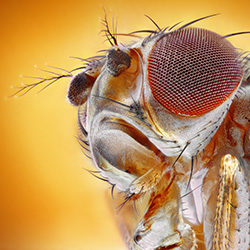 Findings from a recent study suggest that blue light, the same light emitted from smartphones and fluorescent light bulbs, causes brain damage and premature aging in fruit flies.
Why would research on fruit flies be important for human brains? Surprisingly, many of the genes of fruit flies are the same as the genes in humans, and studies on fruit flies often reveal information valuable for human health. Fruit flies’ life cycle is short so scientists can see aging patterns.
As published in the journal Aging and Mechanisms of Disease, researchers at Oregon State University conducted an experiment where they subjected adult fruit flies to blue light. The targeted group of adult flies was exposed to twelve hours of blue light, followed by twelve hours of darkness. They then compared these flies to the control group. Those flies were kept in total darkness for twenty-four hours or bathed in light where blue wavelengths were blocked.
Read More »
 About 33 million Americans in all age groups experience varying degrees of dry eye symptoms. The symptoms may include dryness, grittiness, irritation, burning, and even the seeming contradiction of excessive watering or tearing. What are the risk factors for dry eye? Is there a treatment or cure? How can you prevent dry eye? Does dry eye reflect overall health?
Several new vision inventions are coming out of Israel. An innovative retinal diagnostic test can be completed entirely online. Also, an implantable miniature telescope restores vision to those with partial retinal damage. This technology is available in the United States today or within the next year.
Read More »
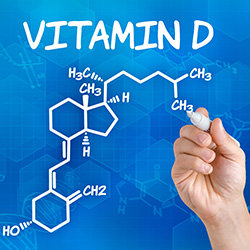 Lack of Vitamin D has been associated with eye diseases like uveitis, macular degeneration, and dry eye. Vitamin D deficiency is also linked to cancer, immune disorders, heart disease, high blood pressure, osteoporosis, bone pain, depression, asthma, multiple sclerosis, and even dementia. Shockingly, more than 40% of the US population is Vitamin D deficient. The body manufactures Vitamin D, so why is deficiency wide spread? Indoor living, aging, and many other factors are behind this virtual pandemic. How can you measure your vitamin D levels? How can you get enough? Isn’t fortified milk enough? Should you take a supplement? Which one?
Read More »
 Smartphones, computers, tablets, and televisions are being blamed for a sharp increase in teenagers’ need for eyeglasses in the United Kingdom. The number of teens who need glasses nearly doubled, from 20% in 2012 to 35% in just four years later.1 Myopia was the diagnosis for 66% of these teens. Myopia, or nearsightedness, makes distant objects look blurry. Excessive up-close focusing is a risk factor for developing myopia.
Nearsightedness generally develops in childhood and stabilizes in teenagers. The eyeball becomes too long. Similar to a projector, light from the eye focuses on the retina. With nearsightedness, the light focuses in front of the retina, not on it. Sometimes the cornea is misshapen.
Read More »
Natural Eye Care, Inc.
3 Paradies Lane
New Paltz, New York 12561
Phone: 845.475.4158

NaturalEyeCare™ started in 1999 to help the public and professionals learn about complementary care in eye disease treatment.
The information and recommendations we offer are based on over 30 years of peer review research and personal clinical experience which guides us in providing a valuable resource to our readers, customers and patients regarding maintaining healthy vision naturally.
We believe that vision health is intimately connected to overall mental, physical and spiritual health. Therefore we encourage people to look at their overall lifestyle and diet as part of keeping healthy vision and reducing the risk of eye disease onset. This includes diet, regular exercise, and management of daily stress. If one has health issues such as high blood pressure, a thyroid imbalance, any autoimmune disease and/or are on medication(s), these possible contributions to eye disease should considered when working with your health care professional.
Please do not hesitate to call us at 845.475.4158 with any questions and concerns.