
 How can you save your vision regardless of your age? Eye disease is prevalent in seniors; however, people of all ages can take steps to protect their eyes. Here is Natural Eye Care’s guide to preserving the precious gift of sight.
Wear Sunglasses: The earth’s atmosphere has thinned, exposing our eyes to more ultraviolet light whenever we are outdoors. Wear 100% UVA/UVB protecting sunglasses when you are outside in the
Read More »
 Whenever the sun is shining, drivers need to wear sunglasses. Glare from the sun is unsafe and can cause accidents. The eyes are vulnerable to damage from sunlight. Which types of sunglasses are best for driving? How do sunglasses protect the eyes?
New drivers have the mantra drilled into them: “Hands on the wheel, eyes on the road.” Bright sunlight streaming through the windshield is hard on the eyes. Even a slightly
Read More »
 You need to protect your eyes when the weather is dry or windy. During the colder seasons, relative humidity indoors is low. Outdoors, wind can blow dust, pollution, ice and snow. Find out how to protect yourself from dry eyes, allergens, irritation, and injury.
Dry eye is a common eye complaint. The eyes may feel itchy, burning, irritated, sore or gritty.
Read More »
 Smartphones can damage the eyes and cause disturbed sleep. Therefore, Natural Eye Care has issued safety guidelines for smartphones. We have summarized research on how smartphone misuse could contribute to the onset of serious eye diseases such as glaucoma and macular degeneration. Eye strain and discomfort from improper smartphone habits create unnecessary suffering. Night time smartphone use leads to poor sleep.
However, there is much you can do to prevent problems from smartphones. At the end of this article, you will find suggestions for how to use smartphones without damaging your eyes.
Read More »
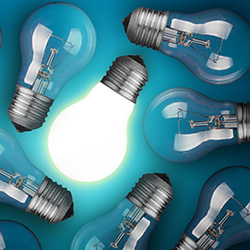 Even though sunlight is free, we pay for electric lightbulbs. We enjoy access to light 24 hours a day, even lighting the outside at night. The miracle of electric lighting means more leisure and work time.
What effects do the different types of lightbulbs have on our eyes? On our health? Does the type of light in the evening affect our sleep cycles? We’re encouraged to use compact fluorescent and LED bulbs instead of incandescent bulbs, but are the long-effects of these new bulbs known, or can their effects be predicted?
Read More »
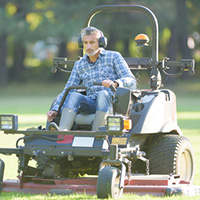 Sunlight is critical for overall well-being. Through an intricate process it enables the body to produce essential vitamin D. We only need 20 minutes of sunlight a day. But sunlight also contains UV radiation.
Unprotected over exposure to sunlight can eventually result in oxidative damage to the retina and other eye tissue such as the eye lens and sclera causing many eye problems as well as skin cancer. You can help protect your eyes by wearing 100% UVA/UVB protecting sunglasses when outside (particularly wraparound glasses with amber or brown lenses that are polarized to reduce glare).
Read More »
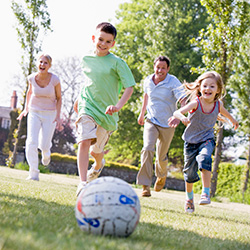 Myopia, or nearsightedness, is a common vision problem. Evidence is starting to show that sunlight has special properties beneficial to vision health. Specifically, exposure to sunshine reduces the risk of developing nearsightedness at all ages. The quality of artificial light and nutrition also play roles. The world’s most natural remedy is sunlight. Find out how much you need to stay healthy.
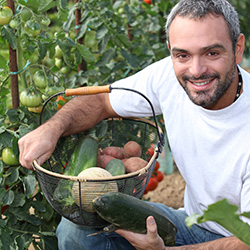 Growing your own is the very best option. From the garden straight to the salad or the pan is the finest choice for flavor, nutrition, and satisfaction! You may not have garden space or the inclination to garden, but you can accomplish a surprising amount in less space than you thought possible. Don’t skip the essentials, below.
Micro gardens are designed for small urban spaces and are designed to be extremely productive, sustainable, affordable,
Read More »
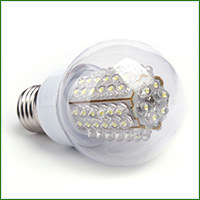 LED light bulbs are becoming very popular, but what is their effect on the eyes? Light Emitting Diode lighting uses up to 95% less energy than their incandescent counterparts. Before replacing your home or workplace’s indoor lights with LEDs, consider two downsides:
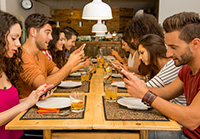 Americans spend about 1/3 of their waking hours on smartphones; young Americans spend even more. Research finds that we spend almost twice as much time as we think we do and more than half of that time is in short bursts of less than 30 seconds.
Read More »
Natural Eye Care, Inc.
3 Paradies Lane
New Paltz, New York 12561
Phone: 845.475.4158

NaturalEyeCare™ started in 1999 to help the public and professionals learn about complementary care in eye disease treatment.
The information and recommendations we offer are based on over 30 years of peer review research and personal clinical experience which guides us in providing a valuable resource to our readers, customers and patients regarding maintaining healthy vision naturally.
We believe that vision health is intimately connected to overall mental, physical and spiritual health. Therefore we encourage people to look at their overall lifestyle and diet as part of keeping healthy vision and reducing the risk of eye disease onset. This includes diet, regular exercise, and management of daily stress. If one has health issues such as high blood pressure, a thyroid imbalance, any autoimmune disease and/or are on medication(s), these possible contributions to eye disease should considered when working with your health care professional.
Please do not hesitate to call us at 845.475.4158 with any questions and concerns.