
 The human body contains approximately 36 trillion cells. Cells communicate with each other every millisecond of life to coordinate functioning and maximize health. The mind-body connection includes how you think, and how organs communicate back and forth with the brain.
Keeping in balance in Western medicine is referred to as “homeostasis”. An example of homeostasis is maintaining the optimum body temperature at 98.6 degrees Fahrenheit. When you exercise, your body sweats to cool off. If you are cold, you shiver involuntarily to create more body heat.
Read More »
 Hair loss is a prevalent concern, affecting both men and women. Surprisingly, there may be a connection between hair loss and eye conditions. This intriguing link stems from healthy vision being closely tied to overall bodily health. Chronic conditions such as diabetes, arthritis, and hypertension are associated with declining eye health. The root causes of many chronic conditions, such as incomplete nutrition and chronic inflammation, can damage hair and impede hair growth. Certain autoimmune diseases can cause alopecia. Both an underactive and overactive thyroid can cause hair loss and affect the eyes. Menopause impacts both the eyes and hair. In this article, we will explore androgenetic alopecia, hyperthyroidism and hypothyroidism, eyelash loss (madarosis), menopause, diet and vitamin deficiencies, and insights from Traditional Chinese Medicine.
Read More »
 Chocolate stands alone as both a tasty confection and a healthy food. However, a recent Consumer Reports study found that heavy metals contaminate many brands of chocolate. Cadmium and lead pose health risks, especially neurological health. This includes Alzheimer’s Disease and other forms of dementia. Why is chocolate—especially dark chocolate—considered to be healthy? Why is chocolate contaminated? And how can you find chocolate that is safest to eat?
Read More »
 A sweet taste with zero calories sounds tempting, but what are the dangers of artificial sweeteners? What does the research on zero-calorie artificial sweeteners show? Too much sugar and high-fructose corn syrup can damage your health. Artificial sweeteners sound like an easy alternative. How can you tell the difference between artificial and natural low-calorie sweeteners? And, how can you get that sweet taste without risking your health?
Read More »
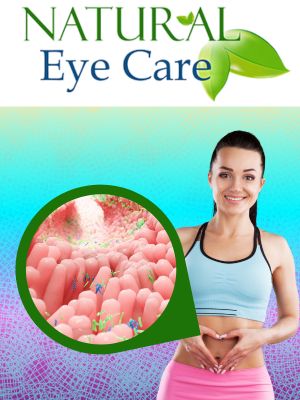 The digestive tract is filled with over 100 trillion microorganisms, many of which are needed for gut health — and good health.1 The gut flora, as they are called, has a similar function to that of other organs in the body.2 The intestinal microorganisms are their own environment. This environment aids the body’s immune system and helps keep you healthy.3
The health of the eyes depends upon the health of these gut microorganisms. Age-related Macular Degeneration (AMD) and dry eye disease (DED) are impacted by inflammation in the gut.
Seventy percent of the human immune system is a result of the complex ecosystem of microorganisms.
Read More »
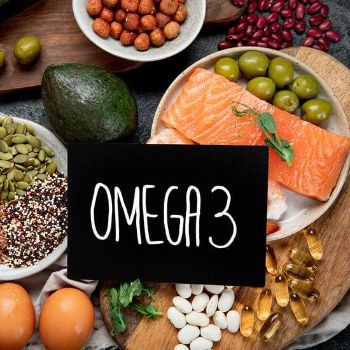 The standard Western diet, with many processed foods, white grains, fats, sugars, preservatives, and flavorings lacks essential nutrients to support the retina. These non-beneficial components aggravate inflammation in the body – an underlying, and sometimes a direct cause of illness, premature aging, and cellular degeneration.
Essential nutrients include a wide range of amino acids, minerals, vitamins, and vitamin-like nutrients. Among them, a star component of good health and good vision, are the omega-3 fatty acids.
Read More »
 Did you know that proper nutrition and exercise can help prevent diabetic retinopathy?1 Diabetic retinopathy (DR) is a potentially blinding complication of diabetes that damages the eye’s retina; it is a leading cause of vision loss in the world. About 10% of Americans have diabetes. One in three people with diabetes has symptoms of diabetic retinopathy. Of these, a further one-third have vision-threatening DR, including diabetic macular edema. And yet, the condition can potentially be preventable.
Read More »
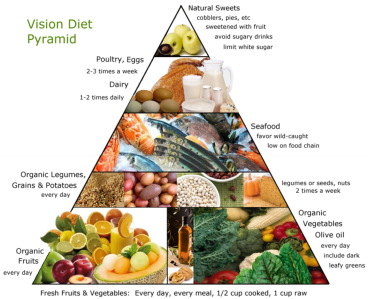 Diet for Better Vision and Overall Health
The standard Western diet tends to lack essential phytonutrients that support the health of the retina, as well as other nutrients such as adequate amounts of omega-3 fatty acids and a wide range of amino acids, minerals, vitamins, and vitamin-like nutrients. The standard diet features processed foods, non-whole grains, fats, sugars, and some types of meat that may aggravate inflammation in the body. Inflammation is an underlying cause, or sometimes a direct cause, of many health issues, such as arthritis. Inflammation also harms vision health.
We recommend an anti-inflammation diet based on a combination of the Mediterranean Diet and the Alkalizing Diet.
Read More »
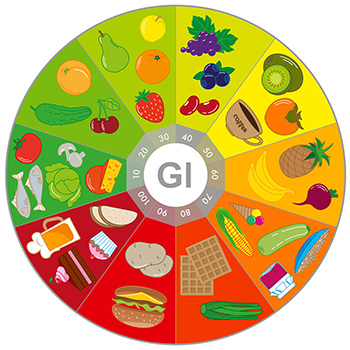
The Glycemic Index represents the relative rise in the blood glucose level two hours after consuming food. It is a system that ranks foods on a scale from 1 to 100 based on their effect on blood-sugar levels.
Read More »
 You have heard that our diets have too much sugar. What does this mean? How does sugar affect our health, short-term and long-term? A large body of research shows the detrimental effects of excessive sugar, from tooth decay to diabetes. High-fructose corn syrup is especially villainized. And sugar is even blamed for hurting immunity.
Humans have the teeth of frugivores — fruit eaters. We have a natural “sweet tooth.” However, we have succeeded in maintaining a consistent and varied food supply. And we do not exert ourselves as much as our ancestors. Therefore, modern humans need a modern diet.
Read More »
Natural Eye Care, Inc.
3 Paradies Lane
New Paltz, New York 12561
Phone: 845.475.4158

NaturalEyeCare™ started in 1999 to help the public and professionals learn about complementary care in eye disease treatment.
The information and recommendations we offer are based on over 30 years of peer review research and personal clinical experience which guides us in providing a valuable resource to our readers, customers and patients regarding maintaining healthy vision naturally.
We believe that vision health is intimately connected to overall mental, physical and spiritual health. Therefore we encourage people to look at their overall lifestyle and diet as part of keeping healthy vision and reducing the risk of eye disease onset. This includes diet, regular exercise, and management of daily stress. If one has health issues such as high blood pressure, a thyroid imbalance, any autoimmune disease and/or are on medication(s), these possible contributions to eye disease should considered when working with your health care professional.
Please do not hesitate to call us at 845.475.4158 with any questions and concerns.