
 The US Department of Health and Human Services (HHS) released its long-awaited update to the nation’s dietary guidelines on January 7, 2026, promising a “historic reset” that puts real, minimally processed food back at the center of American nutrition policy 1. Chronic diseases like heart disease, diabetes, and obesity are high, and these guidelines aim to “Make America Healthy Again.”
On the other hand, the Mediterranean Diet is popular for its proven benefits in reducing the risk of chronic diseases and promoting long-term wellness. It focuses on plant-based meals, healthy fats, and a balanced lifestyle. At Natural Eye Care, we adapted the Mediterranean Diet specifically for people with vision issues and called it the Vision Diet. This diet includes additional recommendations on antioxidant intake, organic foods, and avoiding certain additives and fats 2.
Read More »
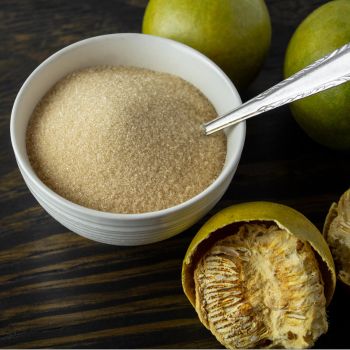
 Artificial sweeteners have long been marketed as a “healthier” alternative to sugar, especially for those managing diabetes, obesity, or simply aiming to cut calories. But as we explored in a previous article, mounting research suggests these sugar substitutes may come with hidden health risks that cannot be ignored.
Now, new evidence is shining a spotlight on erythritol—a sugar alcohol commonly found in low-calorie snacks, drinks, and specialty foods. While erythritol is often promoted as a safe, natural option, recent studies suggest it may have unexpected and serious effects on our health, particularly when it comes to brain and cardiovascular function. In this article, we’ll unpack the latest research, explore how artificial sweeteners could affect not just your body but also your vision, and share safe, natural alternatives for those seeking a genuinely healthy way to satisfy their sweet tooth.
Read More »

One important concept for maintaining eye health is understanding the eye-brain connection. This pathway starts with light entering the eye and ends when your brain makes sense of the visual world around you. Disruption or damage at any point in the pathway distorts your perception. Therefore, maintaining the health of each part of the eye-brain connection pathway ensures accurate perception. Your vision accounts for around 80% of your perceptions, learning, and thinking. Maintaining your vision as you age improves your quality of life. Consider how your ability to drive, watch television, read, prepare food, walk in nature, shop, and recognize friends and loved ones enables you to live independently and passionately. At Natural Eye Care, we want you to have the best chance at maintaining healthy vision throughout your whole life.
Read More »
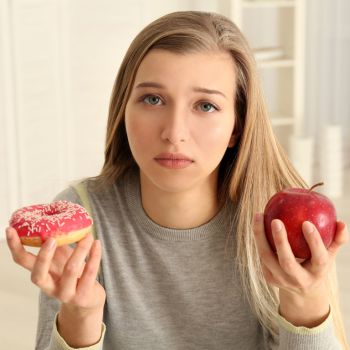 In the USA, our diets are usually high in ultra-processed foods, fat, sugar, salt, and empty calories. Poor nutrition has been linked to declines in mental health, increasing the risk of depression and anxiety. It can also compromise eye health, contributing to conditions like glaucoma, diabetic retinopathy, cataracts, and macular degeneration. A nutrient-poor diet can also impair brain, cardiac, and neurological function, weaken immunity, and contribute to obesity.
Read More »
 We might not connect our eating habits to eye disease, but poor nutrition impairs circulation. Reduced circulation can contribute to eye diseases, including cataracts, glaucoma, retinal vascular occlusions, ischemic optic neuropathy (ION), dry eyes, macular degeneration, and diabetic retinopathy. Instead of being a “victim” of eye diseases in your senior years, you can take charge of your health today!
Read More »
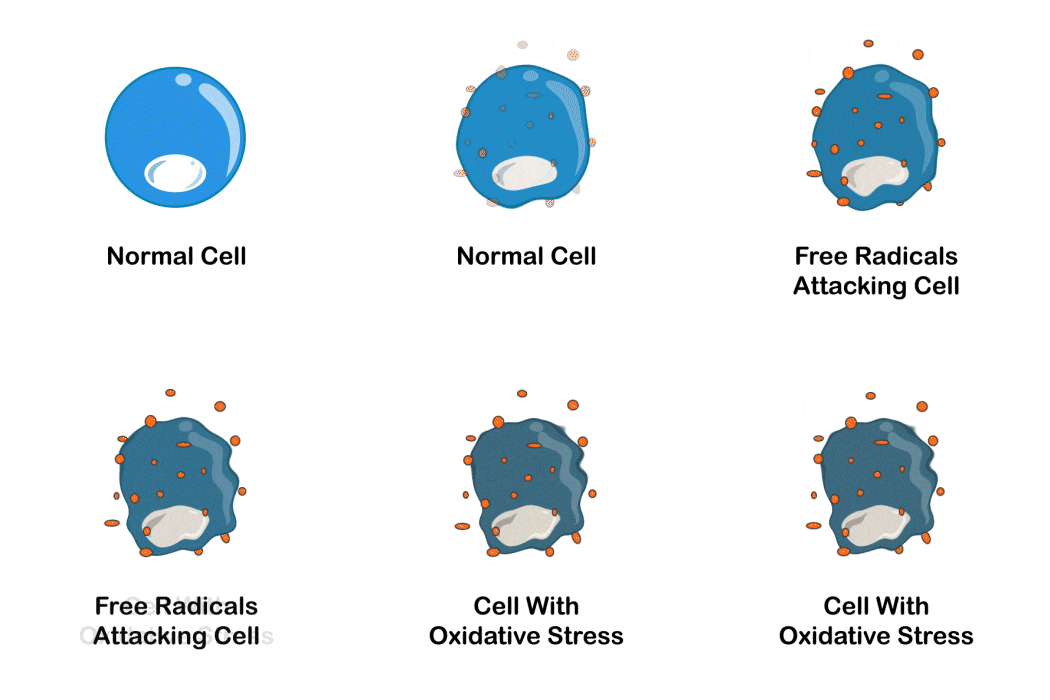 Oxidative stress significantly affects health and vision. It is a process in which free radicals are produced, leading to potential harm as these unstable molecules steal electrons from healthy cells. This oxidative damage can manifest visibly as aging skin and ocular changes, such as cataract formation. However, oxidation is not the only factor contributing to accelerated aging and eye conditions; poor circulation and insufficient essential nutrients also play important roles.
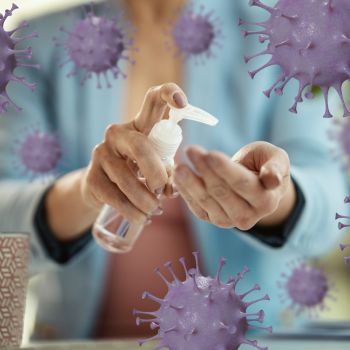 Wintertime is when colds and flu are the most common. Why should we try to avoid these infectious diseases, and how? In addition to annual vaccines, what are some natural ways to stay healthy during cold and flu season? At Natural Eye Care, we see healthy eyes as part of a healthy body. This article references research that supports lifestyle, nutrition, botanicals, and supplements to fight colds and flu. Find out how to avoid getting sick, reduce the impact, and recover faster.
Each year, approximately 5 to 20 percent of Americans come down with the flu. Although most recover without incident, flu-related complications typically lead to at least 200,000 hospitalizations and between 12,000 and 60,000 deaths each year. People tend to recover from bacterial-related colds much more quickly than virus-related colds. Seniors and small children are especially susceptible.
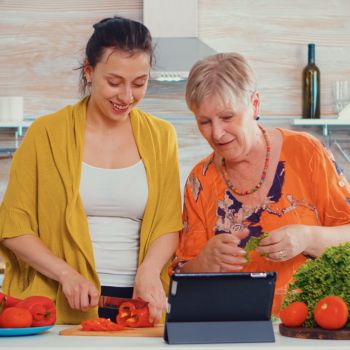 What we eat earlier in life has a profound effect on long-term health and aging. Many studies confirm that eating a healthy diet and exercising regularly is essential to long-term health.
Multiple studies have found that proper nourishment can increase life expectancy. The biggest gains come from eating plenty of nuts and legumes, whole grains, fruits, vegetables. Also, indulging in less processed meat, red meat, sugar and refined carbohydrates has a significant positive effect. And, a large study showed that artificially sweetened soft drinks are associated with deaths from circulatory diseases.1
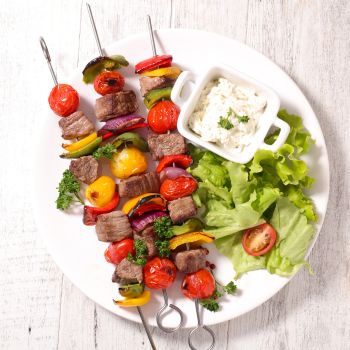 Not all foods play well together. Meat and Potatoes. Surf and Turf. Chicken with Rice. Sounds yummy, right? However, proponents of food-combining diets would not combine protein with carbs, and or mix different types of proteins. Food combining advocates believe that eating certain types of food in the same meal can lead to disease, toxin buildup, and digestive issues. They also believe that proper combinations can help relieve these problems.
Food-combining principles first appeared in the Ayurvedic medicine of ancient India, but they became more widely popularized in the mid-1800s under the term “trophology,” or “the science of food combining.”
The principles of food combining were revived in the early 1900s by the Hay diet.
Read More »
Natural Eye Care, Inc.
3 Paradies Lane
New Paltz, New York 12561
Phone: 845.475.4158

NaturalEyeCare™ started in 1999 to help the public and professionals learn about complementary care in eye disease treatment.
The information and recommendations we offer are based on over 30 years of peer review research and personal clinical experience which guides us in providing a valuable resource to our readers, customers and patients regarding maintaining healthy vision naturally.
We believe that vision health is intimately connected to overall mental, physical and spiritual health. Therefore we encourage people to look at their overall lifestyle and diet as part of keeping healthy vision and reducing the risk of eye disease onset. This includes diet, regular exercise, and management of daily stress. If one has health issues such as high blood pressure, a thyroid imbalance, any autoimmune disease and/or are on medication(s), these possible contributions to eye disease should considered when working with your health care professional.
Please do not hesitate to call us at 845.475.4158 with any questions and concerns.