
 Taurine is an amino acid that your body manufactures and obtains from food. Crucial to health, taurine has many benefits for the eyes, heart, and brain. It is also an antioxidant that reduces inflammation and bad cholesterol levels. However, seniors often have taurine levels that are 80% lower than younger people.1 2
Night vision, eye health, cardiovascular fitness, brain health, the gastrointestinal system, immunity, bones, and diabetes are all linked to taurine.3 This article covers the benefits of this amino acid and how to check your taurine levels. It also discusses ways to get extra taurine if needed.
Read More »
 Our body naturally produces enzymes for digestion, so why might we need digestive enzyme supplements? Some fresh and fermented foods contain large amounts of digestive enzymes. How do these chemical catalysts help digestion? What happens if we do not have enough enzymes? Do we produce enough enzymes as we age? Does our diet today contain enough digestive enzymes?
Enzymes are catalysts. A catalyst enables a chemical reaction without being changed. For example, lactase is a digestive enzyme that splits lactose, from milk, into more easily digestible sugars. People who have difficulty digesting milk can take a lactase supplement to facilitate digestion.
Read More »
 Eye vitamins are crucial to vision health. In fact, the eye is the most vitamin-hungry organ in the body proportional to its size. It is the second most physiologically active part of our body only second to our brain. We believe the eyes require approximately 25% of the nutrients taken into the body to maintain full health. Any less may eventually result in eye diseases such as macular degeneration, glaucoma and cataracts.
Many seniors suffer from these eye diseases. A lifetime of eye stressors, including excessive sunlight and poor diet, catches up with seniors. They also have less efficient digestion, poorer circulation and may have risk factors such as diabetes, long-term smoking, and lack of exercise. Dr. Grossman, a New York-based
Read More »
 The links between antioxidants and vision health are strong. Antioxidants are the antidote to oxidization. Normal metabolism creates free radicals. These are atoms that lack an electron. Free radicals roam about the body, scavenging electrons and stealing electrons from healthy cells. This results in permanent damage to these afflicted cells which ultimately can result in disease. Significant research has shown that antioxidants protect against this cellular damage and are essential for maintaining health. The eye is especially vulnerable to free radical damage. Therefore, providing the body with sufficient antioxidants
Read More »
 Patients with early Age-Related Macular Degeneration (AMD) improved when taking a combination of nutrients. The nutrients were acetyl-L-carnitine, omega-3 fatty acids, and coenzyme Q10.1
The double-blind trial was controlled with a soy oil placebo. The study included over 100 patients with AMD. They were assigned to take two capsules per day for 12 months of either the treatment capsule or the placebo. Nearly all of the subjects who took the supplements for one year showed significant improvement in visual acuity (Snellen Chart & ETDRS chart), foveal sensitivity and changes in the back of the eye. The fovea is the only part of the eye where 100% visual acuity is possible. Only 2% of these subjects had clinically significant worsening of their condition. But 17% of the control group who received a placebo got worse.
 Rod-Cone Dystrophy is a genetically-based deterioration of vision caused by damage to the photoreceptors in the eye. Rods and cones are the photoreceptor cells in the retina that give us daytime and night time vision. Genes that provide the blueprint for manufacturing proteins crucial to the eye’s rods and cones are damaged. Without enough of these proteins, vision deteriorates and blindness may result.
Much of the current research into rod-cone dystrophy is focused on genetic research. Scientists are busy identifying the faulty genes and how they function. Stem cells or other genetic therapy offers hope for a treatment and possibly cure in the future. In the meantime, nutritional and lifestyle choices may
Read More »
 Blue light is emitted from all handheld electronic devices as well as desktop and laptop computers and televisions. It is the shortest wave length light in the visible spectrum and causes significant damage to many parts of the eye seriously impacting present and future vision capacity. Damage from blue light from smartphones is particularly important because smartphones are often used in dim light and are used close to the eyes. Unlike ordinary computer vision fatigue, damage from blue light is serious, cumulative and irreversible.
Read More »
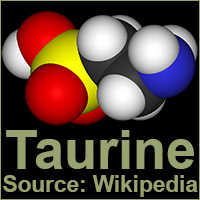 Your body is 1/1000th taurine, a chemical essential to life. The amino acid taurine is crucial for vision. It supports function of the heart, skeletal muscle, and the central nervous system.[1] The pancreas produces taurine, and taurine is a major component of digestive bile. The chemical can be ingested from meats, fish and supplements, such as pills and energy drinks.
In the 1970s, experiments on animals deprived of taurine found they did not develop proper vision. Since then,
Read More »
 Fuchs’ Corneal Dystrophy is named for the Austrian ophthalmologist Ernst Fuchs, who first described the condition in 1910. He described thirteen patients who suffered from corneal clouding, blisters on the corneal epithelia and loss of corneal sensation.
“Dystrophy” refers to any disorder or condition in which a particular tissue or organ of the body wastes away. In Fuchs’ Dystrophy, the tissue that wastes away is the corneal endothelium. Just as epithelium refers to an external skin layer, endothelium refers to an internal skin layer. The corneal endothelium is the back
Read More »
Natural Eye Care, Inc.
3 Paradies Lane
New Paltz, New York 12561
Phone: 845.475.4158

NaturalEyeCare™ started in 1999 to help the public and professionals learn about complementary care in eye disease treatment.
The information and recommendations we offer are based on over 30 years of peer review research and personal clinical experience which guides us in providing a valuable resource to our readers, customers and patients regarding maintaining healthy vision naturally.
We believe that vision health is intimately connected to overall mental, physical and spiritual health. Therefore we encourage people to look at their overall lifestyle and diet as part of keeping healthy vision and reducing the risk of eye disease onset. This includes diet, regular exercise, and management of daily stress. If one has health issues such as high blood pressure, a thyroid imbalance, any autoimmune disease and/or are on medication(s), these possible contributions to eye disease should considered when working with your health care professional.
Please do not hesitate to call us at 845.475.4158 with any questions and concerns.