
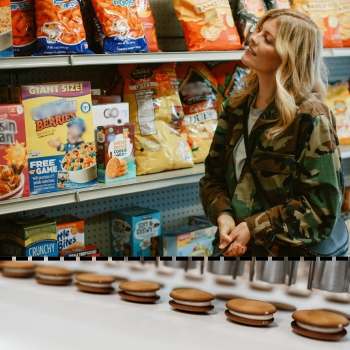
 Want to support healthier vision and improve your overall health as you age? One practical place to begin is to eat fewer ultra-processed foods and choose more whole or minimally processed foods. You do not need a perfect diet, nor do you need to eliminate every packaged product. Small, consistent substitutions can improve the quality of your diet while reducing ingredients and processes that promote inflammation, oxidative stress, poor blood sugar regulation, diabetes, heart disease, and cancer.
A diet dominated by ultra-processed foods may raise the risk of serious age-related eye conditions, including macular degeneration, cataracts, and glaucoma. These products may contribute to high blood sugar, inflammation, and oxidative stress that damage delicate cells and blood vessels in the eyes. A diet lacking essential fatty acids and other nutrients may also interfere with healthy tear production and contribute to dry eye. When you choose these foods, you miss out on crucial nutrients. And, many ultra-processed foods are high in calories while providing few useful nutrients. Hence the term “junk food.” 1 2
What Are Ultra-Processed Foods?
Ultra-processed foods are industrial formulations made from extracted ingredients and additives rather than intact foods. They often undergo processes such as molding, pre-frying, or chemical modification and may contain flavors, colors, sweeteners, emulsifiers, or other substances that are rarely used in a home kitchen. 3
The NOVA system classifies foods by the nature and extent of their industrial processing rather than by nutrient content alone. Developed by researchers at the University of São Paulo, it divides foods and beverages into four groups. 4 5
The Four NOVA Groups
- Group 1: Unprocessed or minimally processed foods. Examples include fruits, vegetables, grains, plain milk, fresh meat, fish, and eggs. Note: Some of these foods need to be cooked to make them digestible or safe. We are not talking about a raw food diet.
- Group 2: Processed culinary ingredients. These include oils, butter, sugar, and salt used to prepare or season food.
- Group 3: Processed foods. Examples include vegetables canned in brine, simple cheeses, salted nuts, and freshly baked artisan bread.
- Group 4: Ultra-processed foods. These industrial formulations contain little recognizable whole food and commonly include additives or laboratory-made ingredients.
The NOVA system is most useful as a practical guide. The system does not imply that all processed foods are equally harmful. Frozen vegetables, plain yogurt, canned beans, and many other convenient foods can still be sensible choices.
Common Ultra-Processed Foods
Ultra-processed foods are ubiquitous in grocery stores, restaurants, gas stations, vending machines, and advertisements. Common examples include:
- Drinks: sodas, energy drinks, chocolate and yogurt drinks, sweet coffee and fruit drinks
- Meals: This category includes instant noodles, hot dogs, frozen entrées, chicken nuggets, most fast food, fish canned in oil, salted nuts, cured meats such as ham and bacon, smoked fish, and cheese.
- Snacks: cookies, packaged chips and many crackers, candy and ice cream, sliced fruits in sugar-sweetened syrup.
- Breakfast: sweet breakfast cereals and cereal bars, packaged breads and bagels, frozen breakfast sandwiches, pancakes and waffles, packaged hashbrowns and biscuits, packaged donuts, toaster pastries.
How to Recognize Them
- Industrial Additives: Contain ingredients like high-fructose corn syrup, hydrogenated oils, and chemical preservatives.
- Designed for Cravings: Manufacturers combine flavors and textures to make these foods especially appealing. Their low fiber content and weaker fullness cues can make overeating easier.
- Long Shelf Life: Designed to last a long time on store shelves and be ready to eat with minimal preparation.
Why Ultra-Processed Foods Can Harm Your Vision
Your eyes contain delicate tissues, small blood vessels, and light-sensitive cells that depend on healthy circulation and a steady supply of nutrients. Ultra-processed foods may affect the eyes through several overlapping pathways:
- Oxidative Stress: Unstable molecules damage sensitive eye tissues.
- Systemic Inflammation: Poor gut health and chemical additives trigger body-wide inflammation that affects the eyes.
- Glycation: Extra sugar molecules bind to proteins in blood vessels, making them weak and stiff. This can lead to cataracts and other eye diseases. And, glycation causes cellular aging throughout the body.
Over time, these effects may contribute to cataracts, macular degeneration, glaucoma, and other age-related eye problems. Diet is not the only factor in these conditions, but it is an important one you can influence.
How These Foods Affect the Rest of Your Body
Regularly eating large amounts of ultra-processed food has been associated with chronic health problems, including diabetes, heart disease, obesity, and some cancers. The same metabolic and circulatory problems that damage the rest of the body can also affect the eyes. 6
Many ultra-processed foods are high in refined starches, added sugars, sodium, and unhealthy fats while being low in fiber and protective nutrients. They may disrupt the gut microbiome, produce rapid changes in blood sugar, and make it harder to feel satisfied after eating.
Products with carefully engineered combinations of sugar, salt, fat, flavor, and texture can encourage cravings. As these foods become habitual, naturally flavorful whole foods may seem less appealing.
Why Cutting Back Can Be Difficult
Long workdays, school schedules, commuting, urbanization, and limited time for cooking have all helped make ready-to-eat processed foods a larger part of daily life. These foods are inexpensive, widely advertised, portable, and available almost everywhere.
Financial pressure and food insecurity also matter. Advice to avoid ultra-processed foods is not realistic unless healthier foods are affordable, accessible, and practical for the people expected to buy and prepare them. 7
The goal is therefore not guilt or an all-or-nothing approach to nutrition. The goal is to make the less-processed choice easier and more automatic whenever circumstances allow.
What to Eat More Often
Build most meals around foods that still resemble their natural state. Healthy choices include:
- Fresh or frozen vegetables and fruits without heavy sauces or added sugar.
- Beans, lentils, intact whole grains, nuts, and seeds.
- Eggs, fish, poultry, and minimally processed meats.
- Plain yogurt, milk, or simple cheeses, if appropriate for you.
- Simple combinations such as soup, eggs with vegetables, beans and rice, baked fish, salad, or oatmeal with fruit.
A processed food can still fit into a healthy diet. Canned beans, frozen produce, whole-grain bread, and plain dairy products may save time without carrying the long ingredient lists found in many ultra-processed products.
Practical Ways to Cut Back Right Now
- Replace one frequent food at a time. If you eat a packaged breakfast every day, start by changing breakfast rather than redesigning your entire diet.
- Plan a few simple meals. Choose several easy meals before shopping so you are not forced to improvise when you are tired or hungry.
- Cook once and use the food more than once. A pot of soup, tray of roasted vegetables, cooked grain, or baked protein can provide several meals for one or two people.
- Keep convenient whole foods visible. Fruit, hard-boiled eggs, plain yogurt, vegetables with dip, and unsalted nuts can be as easy to reach as packaged snacks.
- Change the balance of a meal. You can keep one convenient processed item while adding vegetables, beans, fruit, or another minimally processed food.
- Do not shop while very hungry. Hunger makes heavily advertised, ready-to-eat foods more difficult to resist.
How to Shop Without Becoming Overwhelmed
- Use a short list. A basic plan reduces the number of decisions you must make in a store filled with thousands of products.
- Read the ingredient list. Front-of-package labels such as “natural,” “multigrain,” or “low fat” do not indicate how extensively a food has been processed.
- Try the kitchen check. Ask whether the ingredients are foods or seasonings you might reasonably use at home.
- Compare similar products. When two items serve the same purpose, choose the one with the simpler ingredients, less added sugar, and more fiber.
- Use the NOVA system as a guide. Aim to make Groups 1 through 3 the foundation of your diet without turning Group 4 into an absolute prohibition.
Public Resources You Can Use
Several public tools can help you follow the policy changes, make informed food choices, and take part in the regulatory process:
- Review the Updated Nutrition Guidance: The HHS Dietary Guidelines Hub summarizes the renewed emphasis on “real food” and explains current federal guidance on protein, whole-fat dairy foods, and sugar limits.
- Comment on Additive Policy: Through FDA GRAS rulemaking, members of the public can review the complete proposal on food chemicals and submit comments electronically.
- Research Ingredients in Foods You Buy: Federal food labels have not yet been revised, so independent databases can provide additional information. EWG Food Scores and apps such as Yuka and Open Food Facts let you scan barcodes and review a product for extensive processing, controversial additives, or ingredients restricted in Europe.
Making Healthy Food More Accessible
In lower-income neighborhoods and other food deserts, healthy choices may be limited to what small stores stock. Publicly supported grocery programs that make fruits, vegetables, and other basic foods affordable could help families act on nutrition advice.
Food cooperatives, farmers’ markets, community gardens, and free cooking classes can also improve access. Cooperative members may contribute volunteer time in exchange for lower prices on healthy foods.
Schools can help by restoring practical home economics courses that teach students how to choose ingredients, shop on a budget, and prepare basic meals.
A Brief Note on Federal Food Policy
Grocery shelves have not changed dramatically yet, but federal agencies are developing clearer definitions of ultra-processed foods and reconsidering how ingredients are reviewed and disclosed. These efforts may eventually affect food manufacturing, labeling, research, and public nutrition programs. 8 9
These policy developments are worth watching, but you do not need to wait for new labels or regulations. You can begin reducing ultra-processed foods now by using ingredient lists, the NOVA framework, and the practical substitutions described above.
Suggested Supplements
- Dr. Grossman’s Complete Eye Formula 2oz (oral spray)
- Dr. Grossman’s Complete Eye (oral Spray)/Meso Plus Combo Package
- Advanced Eye & Vision Support Formula (whole food) 60 vcaps
- Dr. Grossman’s Meso Plus Retinal Support and Computer Eye Strain Formula with Astaxanthin 90 vcaps
- Dr. Grossman’s Whole Food Organic Superfood Multi-Vitamin 120 Vcaps – this is our whole food, organic, GMO free multivitamin for maximum absorption and benefit.
- Dr. Grossman’s Advanced Eye and Dr. G’s Whole Food Superfood Multi1 20 Vcap Combo – 2 months supply
- ReVision Formula (wild-crafted herbal formula) 2 oz – based on classic Chinese medicine Liver tonic formula to help support healthy circulation and blood flow throughout the eyes and body.
- Dr. Grossman’s Blood Vessel Control Formula 2oz – helps reduce the risk of unwanted blood vessel growth, supports healthy circulation, reduces inflammation, and more.
- Dr. Grossman’s Premium Turmeric Vcaps (Organic)
- Brain and Memory Power Boost 120 caps
Packages
- Brain and Memory Support Package 1
- Optic Nerve Support Package B
- AMD Package 1 (3-month supply)
- Sugar Balance & Blood Vessel Support Package 1 (1 month)
Recommended Books
- Natural Eye Care: Your Guide to Healthy Vision and Healing – on backorder for 2-3 weeks
- Natural Brain Support: Your Guide to Preventing and Treating Alzheimer’s, Dementia, and Other Related Diseases Naturally
- Natural Parkinson’s Support: Your Guide to Preventing and Managing Parkinson’s
- National Library of Medicine. Ultra-processed foods consumption and risk of age-related eye diseases: A prospective analysis of the UK Biobank. https://pubmed.ncbi.nlm.nih.gov/39302424/ ↩
- Puertas Neyra K, Bes-Rastrollo M, Fernandez-Montero A, et al. Is Ultra-Processed Food Intake Associated with a Higher Risk of Glaucoma? https://www.mdpi.com/2072-6643/16/7/1053 ↩
- Johns Hopkins Bloomberg School of Public Health. What Are Ultra-Processed Foods? https://publichealth.jhu.edu/2025/what-are-ultra-processed-foods ↩
- Braesco V, Souchon I, Sauvant P, et al. Ultra-processed foods: how functional is the NOVA system? https://doi.org/10.1038/s41430-022-01099-1 ↩
- Open Food Facts. NOVA Groups for Food Processing. https://world.openfoodfacts.org/nova ↩
- World Cancer Research Fund. Ultra-Processed Foods Linked to Increased Cancer Risk, Diabetes, and Heart Disease https://www.wcrf.org/about-us/news-and-blogs/ultra-processed-foods-linked-to-increased-cancer-risk-diabetes-and-heart-disease/ ↩
- Costa NS, Santos MO, Carvalho CPO, Assuncao ML, Ferreira HS. Prevalence and factors associated with food insecurity in the context of the economic crisis in Brazil. https://doi.org/10.3945/cdn.117.000869 ↩
- U.S. Department of Health and Human Services. Secretary Kennedy Announces Landmark Food Policy Reforms. https://www.hhs.gov/press-room/hhs-announces-ultra-processed-foods-gras-reforms.html ↩
- U.S. Food and Drug Administration. Generally Recognized as Safe (GRAS). https://www.fda.gov/food/food-ingredients-packaging/generally-recognized-safe-gras ↩
