
 N-Acetyl-Cysteine is an amino acid that has been researched heavily for its antioxidant and anti-inflammatory properties. NAC is primarily a building block for glutathione. Key clinical studies explore its role in respiratory health, vision support, liver function, aging, and anti-inflammatory properties.
As an antioxidant, NAC helps protect healthy cells by neutralizing free radicals before they can cause harm. It supports the body’s supply of cysteine, a key building block of glutathione, one of the body’s most important internal antioxidants. By helping restore glutathione levels, NAC strengthens the cell’s antioxidant defenses and helps clear reactive oxygen species, or ROS. NAC also has anti-inflammatory effects. In the early stages of immune activation, it may help reduce the release of cytokines, which are chemical messengers involved in inflammation. 1
Eye Health
Research highlights N-acetylcysteine (NAC) as a powerful antioxidant and glutathione precursor being studied across several eye conditions:
Retinitis Pigmentosa (RP)
Retinitis Pigmentosa is an inherited retinal degenerative disease, with over 100+ genetic variants. Oxidative stress contributes to cone damage in RP. NAC is being studied to see if it can reduce this stress and slow vision loss. A phase I clinical trial showed small improvements in visual acuity. 2
Macular Degeneration
ARMD, an acronym for Age-Related Macular Degeneration, is one area in which NAC has attracted research interest. A large retrospective cohort study published in Ophthalmology found that people who used NAC had a significantly lower risk of developing AMD. The researchers also reported a “dose-response” relationship. This means that higher cumulative NAC levels were associated with a greater reduction in AMD risk. This pattern was observed in both dry and wet AMD.
This type of study does not prove that NAC prevents macular degeneration. However, it suggests a meaningful association between NAC use and lower AMD risk, especially when NAC use increased over time. 3
Cataracts
Oclumed eye drops contain N-Acetyl-Cysteine, N-Acetylcarnosine, and other targeted antioxidants for lens support. N-Acetylcarnosine is another amino acid that is a naturally occurring antioxidant found in the body. It has shown promise in treating cataracts by reducing oxidative stress in the eye. Oxidative stress plays a significant role in cataract formation by damaging lens proteins and cellular structures. N-Acetylcarnosine eye drops work by neutralizing free radicals, thereby protecting the lens from oxidative damage and maintaining its transparency.
Lanosterol Eye drops: At Natural Eye Care, we receive many inquiries about using the eye drops for cataracts. Lanosterol is a naturally occurring steroid in the body, integral to the production of cholesterol and other steroids. Research suggests that lanosterol can help dissolve the protein clumps that cause cataracts. These protein clumps, or amyloids, cloud the lens and obstruct vision.
In a groundbreaking study published in Nature, researchers found that lanosterol eye drops could reverse cataracts in dogs by breaking down these protein clumps and restoring lens clarity. 4 This study demonstrated that lanosterol significantly improved lens transparency, offering a potential non-surgical treatment option for cataracts.
Lanosterol works by improving the solubility of lens proteins. Normally, proteins like crystallins keep the lens clear by remaining soluble. However, as cataracts form, these proteins aggregate and become insoluble, leading to cloudiness. Lanosterol helps to depolymerize these protein aggregates, thereby reducing lens opacity and improving vision.
NOTE: Researchers are now focusing on human trials to determine if lanosterol eye drops can effectively treat cataracts in people. Initial studies in animal models, including dogs and rabbits, have shown promising results. These findings give researchers a useful starting point for future human studies. 5 Results from animal studies have been encouraging, but human clinical trials are still needed to confirm whether lanosterol eye drops are both safe and effective for cataract treatment. The goal is to develop a formulation that can penetrate the human lens and maintain effective concentrations. Early human trials have begun, and researchers are optimistic about the potential of this treatment.
Dry Eye & Sjogren’s Syndrome
NAC’s mucolytic (mucus-thinning) properties are explored in managing severe dry eye and filamentary keratitis. Additionally, oral NAC has been studied in Sjogren’s syndrome patients, where it showed improvements in systemic dryness and ocular soreness. 6
Gut Health
In metabolic studies, NAC was shown to reduce the population of harmful, inflammation-causing bacteria (such as Desulfovibrio) while significantly increasing beneficial strains such as Akkermansia and Bifidobacterium. 7
Ulcerative colitis and inflammatory bowel disease
Ulcerative colitis and inflammatory bowel disease, or IBD, are also being studied in relation to NAC. In one 16-week, double-blind trial focused on ulcerative colitis flare-ups, patients who took 800 mg of NAC daily had fewer endoscopic relapses than those who took a placebo.
The NAC group also showed lower levels of inflammatory markers, including fecal calprotectin. This suggests that NAC may help support a healthier inflammatory response in people with ulcerative colitis, although more research is needed before firm conclusions can be made. 8
Irritable Bowel Syndrome (IBS)
Irritable Bowel Syndrome (IBS) Clinical research in patients with diarrhea-predominant IBS (IBS-D) demonstrated that combining NAC (a mucolytic agent) with the antibiotic rifaximin normalized the small bowel microbiome and improved bowel function much more effectively than rifaximin alone. 9
Mucus Layer & Permeability
Preclinical models indicate that NAC fortifies the intestinal barrier by upregulating protective proteins (such as occludin and mucin), thereby safeguarding the gut against oxidative stress. 10
Aging and Oxidative Stress
A study of older adults showed that NAC and glycine supplementation successfully corrects age-related glutathione deficiency, thereby improving mitochondrial function and physical capacity.
Respiratory and Lung Support
N-acetylcysteine is often used to support lung health. It helps replenish glutathione, one of the lungs’ most important antioxidants, which protects lung tissue from oxidative stress.
NAC also acts as a mucolytic agent, meaning it helps thin thick, sticky mucus so it can be cleared more easily from the airways. For this reason, it has been used in chronic respiratory conditions such as chronic bronchitis, COPD, and cystic fibrosis.
By supporting antioxidant defenses, calming airway inflammation, and helping clear mucus, NAC may make breathing easier for some people with chronic lung concerns. 11
Neurodegenerative Disease
NAC is a precursor to glutathione, one of the body’s key antioxidants. It also has antioxidant and anti-inflammatory effects, which have led researchers to study its possible role in protecting the brain.
NAC has been evaluated for its potential to support cognitive health during aging and to help reduce the risk of dementia-related changes. It has also been used in research and clinical settings involving neurodegenerative and psychiatric conditions. 12
NAC helps reduce the harmful effects of reactive oxygen species, or ROS. When ROS levels become too high, they can damage fats, proteins, and DNA inside cells. This type of oxidative injury can weaken cells and may even lead to cell death.
In the brain, this damage is especially concerning. Oxidative stress is believed to play a role in the development and progression of neurodegenerative diseases.
Alzheimer’s Disease (AD)
One of the hallmarks is the idea that the accumulation of certain proteins, such as the amyloid β-peptide (Aβ), causes neuronal damage and death. It has also been observed that reactive oxygen species (ROS) may contribute to AD initiation and progression, determining cellular oxidative damage. 13
A reduction in antioxidant enzyme levels has been detected in AD and in mild cognitive impairment, which makes them more exposed to toxic effects induced by Aβ. NAC has shown a protective effect against Aβ toxicity. A protective effect to counteract the neuroinflammatory component of this pathology may be conferred by increasing GSH concentration in glial cells and astrocytes via NAC.
Parkinson’s Disease (PD)
Parkinson’s disease (PD) represents a neurodegenerative disease. Its onset is related to the idiopathic degeneration of cells involved in dopamine production. In the substantia nigra of patients with an initial phase of PD, a significant reduction in GSH has been observed. This may cause morphological damage to mitochondria through the action of ROS. 14
Moreover, the accumulation of toxic species of α-synuclein plays a crucial role in PD. Such toxic species are increased by oxidative stress and through oxidative ligation to dopamine. 15
The first sign recognized of the substantia nigra degeneration is the reduction of GSH, and this deficiency seems to travel at the same level as the severity of the illness itself. An increase in ROS and RNS formation appears to be associated with GSH reduction. This condition leads to inhibition of Complex I, resulting in mitochondrial alterations that reduce GSH production and cause dopaminergic cell death. 16
NAC can cross the blood-brain barrier, which means it may reach brain tissue directly. This has made it a topic of interest in Parkinson’s disease research. One reason NAC may be helpful is that it supplies cysteine to the brain. Cysteine is needed to produce glutathione. NAC may also support enzymes that help regenerate glutathione inside cells.
In studies involving NAC treatment, several possible brain-related benefits have been observed. These include higher levels of glutathione, or GSH, in the brains of mice, 17 reduced oxidative damage, 18 and improved synaptic and non-synaptic connections in the brain. 19 NAC has also been linked to support for mitochondrial Complex I activity. This is important because Complex I helps mitochondria produce energy, and better mitochondrial function may help reduce dopamine-related cell damage and cell death. 20
Mental Illness
NAC can modulate several key neurotransmitter systems, such as glutamate, which are studied because it is involved in a range of mental illnesses. 21 Several neuropsychiatric illnesses, such as schizophrenia 22 and addiction, 23 are related to the dysfunction of the glutamate system. 24
GSH (Glutathione) Enhancement
Cysteine, glycine, and glutamine are especially important amino acids for healthy vision because they help build glutathione, an antioxidant that supports both eye health and overall health. Taurine is another important amino acid. It acts as a potent antioxidant, helps the retina remove waste, and supports cognitive function and nerve cell integrity.
N-acetylcarnosine, which is derived from amino acids, is also helpful for lens health and may help prevent or improve cataracts.
Other cofactors that help the liver produce more glutathione include the amino acids cysteine, glycine, glutamine, alpha-lipoic acid, selenium, and vitamin C.
Best Food Sources of Cysteine
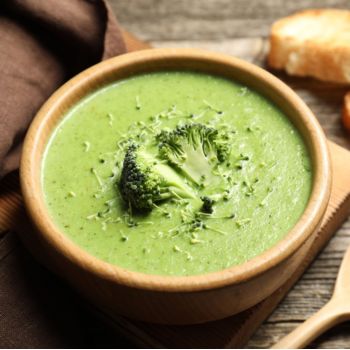
The best dietary sources of cysteine are from cruciferous vegetables such as broccoli, Brussels sprouts, cabbage, kale, and bok choy. Supplements may be needed. Glutathione pills and capsules are poorly absorbed. Intra-oral and sublingual forms are much better absorbed.
Supplements to Consider
ACG Glutathione EXTRA STRENGTH Spray 2oz or ACG Glutathione EXTRA STRENGTH Spray 4oz
Dr. Grossman’s Complete Eye Formula 2oz (oral spray)
Dr. Grossman’s Complete Eye (oral Spray)/Meso Plus Combo Package
Oclumed Eye Drops 6ml Bottles (2 Pack) (2% NAC solution) Special – helps support lens health with a range of antioxidants, including n-acetylcysteine, carnosine, and reduced glutathione. Also available in a 3-pack.
Super Lion’s Mane 120 vegtabs – support nerve health and regeneration
Dr. Grossman’s ReVision Formula (wild-crafted herbal formula) 2 oz – supports healthy circulation and energy flow in the eyes and whole body, and supports healthy nerve function.
Advanced Eye & Vision Support Formula (whole food) 60 vcaps
Dr. Grossman’s Advanced Eye and Dr. G’s Whole Food Superfood Multi1 20 Vcap Combo – 2 months supply
NMN Wonderfeel Capsul 60 vegcaps
Dr. Grossman’s Premium Turmeric Vcaps (Organic)
Dr. Grossman’s Vitamin C Supreme (Plant-Based Formula) – 60 caps
Dr. Grossman’s Whole Food Organic Superfood Multi-Vitamin 120 Vcaps
AMD Package 1 (3-month supply)
Brain and Memory Support Package 1
Recommended Books
Natural Eye Care: Your Guide to Healthy Vision and Healing
Natural Parkinson’s Support: Your Guide to Preventing and Managing Parkinson’s
- Zhang X, et al. N-acetyl-L-cysteine alleviated the oxidative stress-induced inflammation and necroptosis caused by excessive NiCl₂ in primary spleen lymphocytes. Frontiers in Immunology. 2023;14:1146645. doi: 10.3389/fimmu.2023.1146645. ↩
- Campochiaro PA, Iftikhar M, Hafiz G, Akhlaq A, Tsai G, Wehling D, Lu L, Wall GM, Singh MS, Kong X. Oral N-acetylcysteine improves cone function in retinitis pigmentosa patients in phase I trial. J Clin Invest. 2020 Mar 2;130(3):1527-1541. doi: 10.1172/JCI132990. PMID: 31805012; PMCID: PMC7269599. ↩
- Tsai H-R, Chang W-C, Lee Y-C. Oral Acetylcysteine and the Risk of Age-Related Macular Degeneration: A Retrospective Cohort Study. Ophthalmology. 2026;133(2):223-232. doi:10.1016/j.ophtha.2025.09.025. ↩
- Zhao, L., Chen, XJ., Zhu, J. et al. Lanosterol reverses protein aggregation in cataracts. Nature 523, 607–611 (2015). https://doi.org/10.1038/nature14650 ↩
- Qiuli FU, Danni Lyu, Ke Yao; Lanosterol reverses the opacity of congenital cataract patient-specific-lentoid bodies derived from human iPSCs. Invest. Ophthalmol. Vis. Sci. 2019;60(9):4295. ↩
- Schwalfenberg GK. N-Acetylcysteine: A Review of Clinical Usefulness (an Old Drug with New Tricks). J Nutr Metab. 2021 Jun 9;2021:9949453. doi: 10.1155/2021/9949453. PMID: 34221501; PMCID: PMC8211525. ↩
- Zheng, J., Yuan, X., Zhang, C., Jia, P., Jiao, S., Zhao, X., Yin, H., Du, Y. and Liu, H. (2019), N -Acetylcysteine alleviates gut dysbiosis and glucose metabolic disorder in high-fat diet-fed mice. Journal of Diabetes, 11: 32-45. https://doi.org/10.1111/1753-0407.12795 ↩
- Tieu S, Charchoglyan A, Paulsen L, Wagter-Lesperance LC, Shandilya UK, Bridle BW, Mallard BA, Karrow NA. N-Acetylcysteine and Its Immunomodulatory Properties in Humans and Domesticated Animals. Antioxidants (Basel). 2023 Oct 16;12(10):1867. doi: 10.3390/antiox12101867. PMID: 37891946; PMCID: PMC10604897. ↩
- Leite, G., Rezaie, A., Morales, W. et al. Low dose rifaximin combined with N -acetylcysteine is superior to rifaximin alone in a rat model of IBS-D: a randomized trial. Sci Rep 14 , 18140 (2024). https://doi.org/10.1038/s41598-024-69162-4 ↩
- Wang H, Li C, Peng M, Wang L, Zhao D, Wu T, Yi D, Hou Y, Wu G. N-Acetylcysteine improves intestinal function and attenuates intestinal autophagy in piglets challenged with β-conglycinin. Sci Rep. 2021 Jan 13;11(1):1261. doi: 10.1038/s41598-021-80994-2. PMID: 33441976; PMCID: PMC7807065. ↩
- Mokra D, Mokry J, Barosova R, Hanusrichterova J. Advances in the Use of N -Acetylcysteine in Chronic Respiratory Diseases. Antioxidants (Basel). 2023 Sep 2;12(9):1713. doi: 10.3390/antiox12091713. PMID: 37760016; PMCID: PMC10526097. ↩
- Ooi S.L., Green R., Pak S.C. N-acetylcysteine for the treatment of psychiatric disorders: A review of current evidence. Biomed. Res. Int. 2018;2018:2469486. doi: 10.1155/2018/2469486. ↩
- Sidiropoulou GA, Koutsoni OS, Chasapis CT, et al. Natural antioxidants that act against Alzheimer’s disease through activation of the NRF2 pathway: A focus on recent advances. Biomedicine & Pharmacotherapy. 2023;164:114966. doi:10.1016/j.biopha.2023.114966. ↩
- Fitzmaurice P.S., Ang L., Guttman M., Rajput A.H., Furukawa Y., Kish S.J. Nigral glutathione deficiency is not specific for idiopathic parkinson’s disease. Movement Disord. 2003;18:969–976. doi: 10.1002/mds.10486. ↩
- Galkin M., Topcheva O., Priss A., Borisova T., Shvadchak V.V. Dopamine-induced oligomers of α-synuclein inhibit amyloid fibril growth and show no toxicity. ACS Chemical Neuroscience. 2023;14(11):2027–2034. doi:10.1021/acschemneuro.2c00815. ↩
- Chinta S.J., Kumar M.J., Hsu M., Rajagopalan S., Kaur D., Rane A., Nicholls D.G., Choi J., Andersen J.K. Inducible alterations of glutathione levels in adult dopaminergic midbrain neurons result in nigrostriatal degeneration. Journal of Neuroscience. 2007;27(51):13997–14006. doi:10.1523/JNEUROSCI.3885-07.2007. ↩
- Pocernich C.B., La Fontaine M., Butterfield D.A. In-vivo glutathione elevation protects against hydroxyl free radical-induced protein oxidation in rat brain. Neurochem. Int. 2000;36:185–191. doi: 10.1016/S0197-0186(99)00126-6. ↩
- Mohammad A., Sobczak A.M., Mudher A., Bandmann O., Moustafa A.A. N-acetylcysteine for Parkinson’s disease: a translational systematic review of mechanistic and early clinical data. Expert Review of Neurotherapeutics. 2025. doi:10.1080/17582024.2025.2563489. ↩
- Martinez Banaclocha M., Martinez N. N-acetylcysteine elicited increase in cytochrome c oxidase activity in mice synaptic mitochondria. Brain Res. 1999;842:249–251. doi: 10.1016/S0006-8993(99)01819-3. ↩
- Medina S., Martinez M., Hernanz A. Antioxidants inhibit the human cortical neuron apoptosis induced by hydrogen peroxide, tumor necrosis factor alpha, dopamine and beta-amyloid peptide 1-42. Free Radic. Res. 2002;36:1179–1184. doi: 10.1080/107157602100006445. ↩
- Minarini A., Ferrari S., Galletti M., Giambalvo N., Perrone D., Rioli G., Galeazzi G.M. N-acetylcysteine in the treatment of psychiatric disorders: Current status and future prospects. Expert Opin. Drug Metab. Toxicol. 2017;13:279–292. doi: 10.1080/17425255.2017.1251580. ↩
- Ooi S.L., Green R., Pak S.C. N-acetylcysteine for the treatment of psychiatric disorders: A review of current evidence. Biomed. Res. Int. 2018;2018:2469486. doi: 10.1155/2018/2469486. ↩
- Huang S., Song Z., Shi C., Tao D., Wen J., Chen Y., et al. A single extinction-based treatment with N-acetylcysteine produces long-term reduction in cocaine relapse. Translational Psychiatry. 2026;16:186. doi:10.1038/s41398-026-03954-2. ↩
- Smith L., Tracy D.K., Giaroli G. What future role might n-acetyl-cysteine have in the treatment of obsessive compulsive and grooming disorders?: A systematic review. J. Clin. Psychopharm. 2016;36:57–62. doi: 10.1097/JCP.0000000000000431. ↩
