
 If you want to protect your eyesight as you age, the secret might be on your plate. Research shows that loading up on leafy greens, colorful veggies and fruits, fish, nuts, whole grains, and heart-healthy olive oil—think Mediterranean diet—can help shield your eyes from age-related macular degeneration (AMD). AMD is a leading cause of vision loss in adults over 50. These foods are packed with antioxidants like Vitamins C and E, carotenoids, and zinc, all proven to support healthy vision. Cutting back on processed foods, sugar, unhealthy fats, and red meat can further reduce your risk.
Why does your nutrition have an impact on your risk of developing macular degeneration? Inflammation and oxidative stress contribute to vision loss. Keep reading to find out how this works and what you can do about it.
Read More »

Molecular hydrogen (H2) is a colorless, odorless, and tasteless non-toxic gas. H2 can alleviate oxidative damage by efficiently removing surplus reactive oxygen species (ROS),1 2, a highly damaging free radical. Molecular hydrogen has anti-inflammatory properties. It helps prevent premature cell death (apoptosis). In mitochondria, H2 has cytoprotection effects, meaning it helps protect them from harmful stressors.3
Oxidative stress produces reactive oxygen intermediates (ROI/ROS), which leads to the death of healthy cells.4 Oxidative stress has been recognized as a critical pathogenic factor of various ocular diseases, such as endothelial corneal dystrophy, pterygium, glaucoma, cataracts, uveitis, retinopathy, and optic neuropathies.5 Oxidative stress can impair tissue structure, increase vascular permeability, and promote neovascularization in the eye.6 7
Read More »

As the crisp air of fall settles in, our bodies naturally crave warmth and nourishment. In Traditional Chinese Medicine (TCM), this season is closely linked to the Metal element, which governs the Lungs and Large Intestine. The shift in weather can leave these organs—and our skin—more vulnerable to dryness, making it especially important to choose foods that support and protect our respiratory and digestive systems.

Hair loss is one of the most frequent concerns people bring to their doctors, regardless of age or gender. What many do not realize is that thinning hair or lash loss can sometimes signal deeper health issues that also impact vision. The eyes are closely connected to the rest of the body, so chronic conditions like diabetes, arthritis, high blood pressure, and autoimmune diseases can affect both hair and eye health.

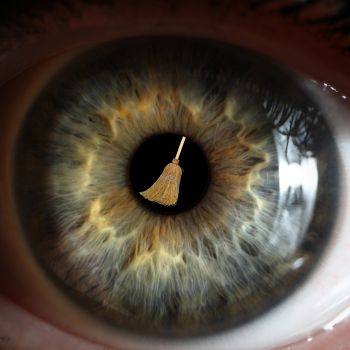
Eye conditions such as age-related macular degeneration, cataracts, glaucoma, and diabetic retinopathy usually do not have a single cause. Instead, they arise from a mix of influences, including genetics, environment, age, diet and nutrition, and oxidative stress. Among these, oxidative stress is especially important because it directly affects a vital cellular process called autophagy.

In our blog posts, we have examined the potential health risks of artificial sweeteners in detail. Emerging research now indicates that certain artificial sweeteners may, in some cases, pose greater risks than table sugar. Of particular concern is erythritol, a sugar alcohol, which has been associated with an increased risk of serious cardiovascular events, including blood clots, heart attack, and stroke.

Living a long, healthy life is not just about genetics or luck—it is about understanding how your daily choices, emotions, and even your gut health can influence your overall well-being. Modern science and ancient wisdom both highlight the deep connections between mind, body, and vision. In this article, we explore how emotions like anger, the health of your gut, and the balance of your body’s systems all play a crucial role in supporting longevity and protecting your eyesight. Whether you are aiming to stay sharp, energetic, and clear-sighted as you age or simply want to take a more holistic approach to your health, you will find practical insights and actionable tips to help you thrive for years to come.
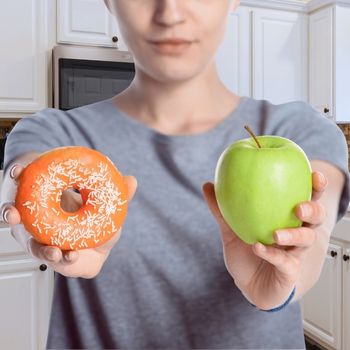 Ultra-processed foods are industrial formulations that undergo extensive processing and typically contain multiple ingredients not usually found in home cooking. Typically, these foods are lower in nutrients and fiber and higher in sugar, fat, and salt compared to unprocessed or minimally processed foods. Ultra-processed foods include soda, packaged cookies, chips, frozen meals, flavored nuts, flavored yogurt, hot dogs, distilled alcoholic beverages, and fast foods. Even many packaged breads, including those high in nutritious whole grains, qualify as ultra-processed because of the additives and preservatives they contain.
Read More »
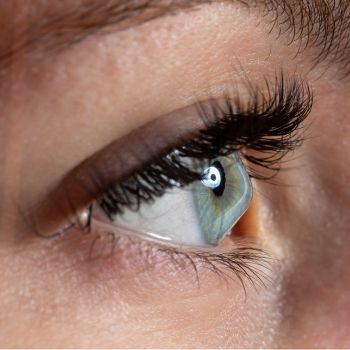
The cornea provides most of the eye’s focusing power—about four-fifths of incoming light is bent here. Unlike most tissues, it is transparent and contains no blood vessels, serving as the eye’s “window.” It is also richly supplied with pain-sensitive nerves. Because of that, corneal issues typically cause eye pain, light sensitivity, and changes in tearing—either too little or too much.
A tooth implant in the cornea can help restore vision in cases where severe forms of corneal damage have resulted from a chemical burn, a fire or explosion, or an autoimmune reaction where the immune system attacks the eye.
Read More »
Natural Eye Care, Inc.
3 Paradies Lane
New Paltz, New York 12561
Phone: 845.475.4158

NaturalEyeCare™ started in 1999 to help the public and professionals learn about complementary care in eye disease treatment.
The information and recommendations we offer are based on over 30 years of peer review research and personal clinical experience which guides us in providing a valuable resource to our readers, customers and patients regarding maintaining healthy vision naturally.
We believe that vision health is intimately connected to overall mental, physical and spiritual health. Therefore we encourage people to look at their overall lifestyle and diet as part of keeping healthy vision and reducing the risk of eye disease onset. This includes diet, regular exercise, and management of daily stress. If one has health issues such as high blood pressure, a thyroid imbalance, any autoimmune disease and/or are on medication(s), these possible contributions to eye disease should considered when working with your health care professional.
Please do not hesitate to call us at 845.475.4158 with any questions and concerns.