
 The effects of extracts of French Maritime pine bark (Pinus pinaster bark extract) have been reviewed in the journal, Research in Pharmaceutical Sciences. The writers explain the damaging role of free radicals which arise from oxidative processes within the body as well as the damage resulting from inflammation and that many studies have demonstrated that such damage can be prevented or limited.
 Exposure to electromagnetic fields has been considered a potential contributor or cause to many chronic illnesses for about 20 years. What is becoming more apparent is that EMF pollution when combined with toxins and poor diet makes chronic disease more likely.
 Never underestimate the power of mathematics to improve vision care! Engineers at the University of Illinois have married adaptive optics with retinal scanners to see individual rods and cones. This new technology could increase the accuracy and speed of eye disease diagnosis.
Astronomers use adaptive optics to improve the clarity of telescopes. This is typically done using complex hardware. The engineers decided to make corrections using computer calculations instead of hardware. And they applied the technology to instruments used to scan the retina, the tissue at the back of the eye. The retina contains rod and cone cells, which send signals to the brain when light falls on them.
Read More »
 Past studies looking for an association between glaucoma and Alzheimer’s disease have been inconclusive. However, a recent 2015 large study of 7770 Alzheimer’s patients found such an association, specifically with women.
The study appeared in the July 2015 issue of Eye, and it was based on a study of ethnic Chinese in Asia. Each Alzheimer’s patient was matched randomly with controls of the same age and gender. They looked at who had a previous diagnosis of open-angle glaucoma.
Read More »
 Iritis is a common diagnosis that literally means “inflammation of the iris,” the colored part of the eye. Anterior uveitis is a more technical term for iritis. There are many possible causes, and sometimes the cause cannot be identified. Due to the complexity of the vision system, any suspected case of eye inflammation should be examined by an optometrist, ophthalmologist or medical doctor. Most of the time, iritis resolves in less than 6 weeks; however, iritis can reoccur. It can signal acute or chronic underlying disease in the body, and therefore should be cared for by a qualified healthcare professional. Without proper treatment, iritis can lead to cataracts, glaucoma, an irregularly sized and sluggish pupil, calcium deposits in the cornea, central serous choroidopathy, or retinal swelling (cystoid macular edema).
Read More »
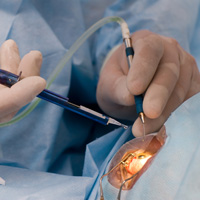 A study slated to appear in the peer-reviewed American Journal of Ophthalmology found that cataract surgery does not appear to worsen pre-existing wet AMD (age-related macular degeneration). However, cataracts surgery appears to slightly change the anatomy of the eye, which might make AMD patients more susceptible to cystoid macular edema (a side effect of cataracts surgery) and choroidal neovascularization.
Cataract surgery is a common surgery, with a very high success rate and low side effects. Replacing the clouded lens with an artificial intraocular lens (IOL) allows more light to reach the retina, which significantly improves vision in cataracts patients. Cataracts frequently appear in the eyes of individuals as they age.
Read More »
 A pilot study has found that for patients who were not responding well to depression medication, adding the over-the-counter supplement S-adenosylmethionine (SAMe) improved their condition. The research appeared in the April 2015 edition of Advances in Integrative Medicine, a peer-reviewed journal.
About 40% of depressed patients who take selective serotonin reuptake inhibitors (SSRI) have mixed results, and 30% have poor results. SSRI is a standard pharmaceutical treatment for clinical depression, and the medication can have side effects
Read More »
 Future treatments for macular degeneration (AMD), Stargardt’s disease, and retinitis pigmentosa may include bone marrow stem cell injections, if a new line of eye research pans out. A preliminary pilot study on six subjects with one of several ischemic eye diseases found that most patients had vision improvement after receiving injections of their own bone marrow.
The purpose of the study was to find out if there were any adverse side effects and to test for vision improvement. The only significant negative side effect was some pain after bone marrow
Read More »
 Scientists have partially restored sight in blind mice using a protein to repair damaged cells in the retina. These experiments may ultimately lead to treatments that restore sight in patients with progressive degenerative retinal diseases such as diabetic retinopathy, retinitis pigmentosa and macular degeneration.
The research at the University of Bern in Switzerland and the University of Göttingen in Germany used “optogenetics,” which involves utilizing light to control neurons. They introduced new light-sensing proteins called Opto-mGluR6 into the eye. In essence, this turned the old cells into photoreceptors. These cells were then able to process
Read More »
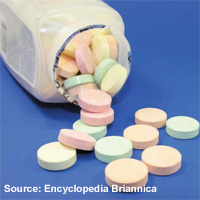 Age-related macular degeneration (AMD) has been linked to supplementing more than 800 mg of calcium per day. The link was strongest in the elderly, who suffer from AMD the most. The research was a cross-sectional study of National Health and Nutrition Examination Survey (NHANES) data. The RDA for calcium (CA) for adults is 1,000 mg; 1200 mg for women over 50. However, changes to the recommended total daily intake of CA have not been suggested.
This research was conducted at the University of California, SF, and appeared in JAMA Ophthalmology April 2015. It was based on surveys of calcium supplementation and AMD. In the past, the researchers had a similar finding with
Read More »
Natural Eye Care, Inc.
3 Paradies Lane
New Paltz, New York 12561
Phone: 845.475.4158

NaturalEyeCare™ started in 1999 to help the public and professionals learn about complementary care in eye disease treatment.
The information and recommendations we offer are based on over 30 years of peer review research and personal clinical experience which guides us in providing a valuable resource to our readers, customers and patients regarding maintaining healthy vision naturally.
We believe that vision health is intimately connected to overall mental, physical and spiritual health. Therefore we encourage people to look at their overall lifestyle and diet as part of keeping healthy vision and reducing the risk of eye disease onset. This includes diet, regular exercise, and management of daily stress. If one has health issues such as high blood pressure, a thyroid imbalance, any autoimmune disease and/or are on medication(s), these possible contributions to eye disease should considered when working with your health care professional.
Please do not hesitate to call us at 845.475.4158 with any questions and concerns.