
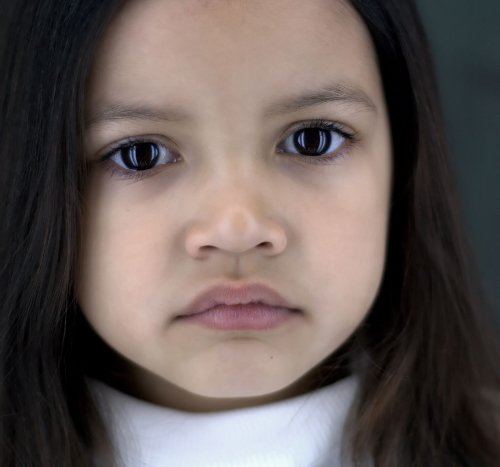
Kids who wear contact lenses rather than glasses enjoy better vision-related quality of life. A new study published in Optometry and Vision Science reports that in the children who participated in the three year study fared better regarding their feelings about appearance and participation in athletics if they wore contacts. In particular, children over age 10 experience the greatest improvement in quality of life.
According to Jeffrey J. Walline, O.D, Ph.D., Ohio State University College of Optometry and leader of the Adolescent and Child Health Initiative to Encourage Vision Empowerment (ACHIEVE) Study, “The growing body of research in children’s vision correction continues to demonstrate that contact lenses provide significant benefits to children beyond simply correcting their vision. This study showed considerable improvement for contact lens wearing children 10 years or older in areas of appearance, participation in activities, and satisfaction with vision correction, and it remained or improved over three years.”
Read More »
It seems like everyone from grandmothers to many family doctors has supported the belief that teething babies tend to run fevers as new teeth come in. A new study out of Australia, however, claims to debunk this medical myth. Researchers at the Centre for Community Child Health at the Royal Children’s Hospital in Melbourne say that parents should never assume that their baby’s fever is related to teething.
Study authors also report that many of the other conditions commonly associated with teething, including sleep disturbances, congestion, changes to bowel movements, and infections were falsely attributed to cutting teeth. A study based in Cleveland, Ohio did find that teething can be linked to increased biting, drooling, gum-rubbing, irritability, wakefulness, ear-rubbing, facial rash and a decreased appetite for solid foods.
Read More »
A study out of the University of Texas to be published in September’s Arthritis Care & Research claims that an acupuncturist’s communication style may influence a patients’ level of pain reduction and satisfaction with a treatment.
Patients with radiologically diagnosed knee osteoarthritis visited acupuncturists for three months. One group visited practitioners were trained to communicate “high” or “neutral” expectations saying things like “I think this will work for you,” and “I’ve had a lot of success with treating knee pain.” Another group was asked to be more neutral, saying things like “It may or may not work for you,” and “It really depends on the patient.” Those who saw more optimistic sounding acupuncturists reported a 50% decrease in pain.
Read More »
Natural Eye Care, Inc.
3 Paradies Lane
New Paltz, New York 12561
Phone: 845.475.4158

NaturalEyeCare™ started in 1999 to help the public and professionals learn about complementary care in eye disease treatment.
The information and recommendations we offer are based on over 30 years of peer review research and personal clinical experience which guides us in providing a valuable resource to our readers, customers and patients regarding maintaining healthy vision naturally.
We believe that vision health is intimately connected to overall mental, physical and spiritual health. Therefore we encourage people to look at their overall lifestyle and diet as part of keeping healthy vision and reducing the risk of eye disease onset. This includes diet, regular exercise, and management of daily stress. If one has health issues such as high blood pressure, a thyroid imbalance, any autoimmune disease and/or are on medication(s), these possible contributions to eye disease should considered when working with your health care professional.
Please do not hesitate to call us at 845.475.4158 with any questions and concerns.