

Johnson & Johnson Vision Care has initiated a voluntary recall of its 1-Day Acuvue TruEye contact lenses made of narafilcon A. According the Associated Press, these lenses were only distributed in Japan and parts of Asia and Europe, according to the AP; 100,000 boxes in total have been recalled. No consumers in either the U.S. or Canada should be effected (the North American lenses are made of narafilcon B).
The recall is bases on a limited number of user complaints related to a stinging sensation felt when the lenses were placed on the eye. According to Johnson and Johnson the problem stems from a malfunctioning manufacturing line in Ireland.
Read More »
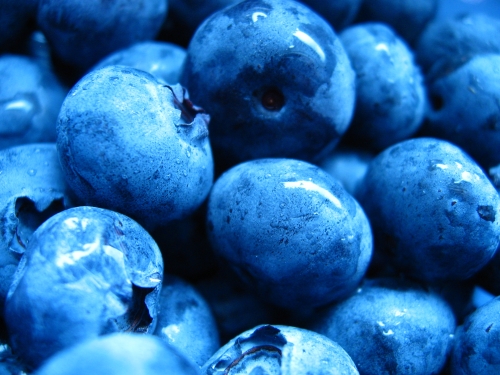
We believe strongly in the healing power of antioxidants, specifically in how they can help maintain and improve eye health.
You may have heard about a 2007 analysis of data related to antioxidants that said taking antioxidant supplements increases one’s mortality risk. A new analysis of available data shows that the previous study published in Journal of the American Medical Association that said the caused a 16% increase in mortality was incorrect.
In fact, 36% of the trials showed a positive outcome or that the antioxidant supplements were beneficial, 60% showed antioxidants had no effect, and only 4% published a negative outcome.
Read More »
Retinitis Pigmentosa (pigmentosis) is a progressive degenerative disorder of the retina that can cause a profound loss of vision. Various hereditary patterns have been reported. This disease affects 1 out of 3700 people.
A study published in the Archives of Ophthalmologyshowed that taking 15,000 IU of Vitamin A per day can slow the progression of retinitis pigmentosa. On the other hand, this same study showed that taking Vitamin E supplements actually accelerated vision decline.
Read More »

Getting back to school can mean getting back on the playing field for many kids. A new study published in the journal Pediatrics highlights the need to take conservative approaches to head injuries and concussions. The younger the child, the longer the recovery period should be. New guidelines include such advice as:
Read More »
Drinking two cups of water before a meal can help you lose weight, but the magic is not in the water. To lose weight, the best way is still to reduce your caloric intake.
At a meeting of National Meeting of the American Chemical Society researchers presented their findings: in a study of 48 older adults all on a reduced calorie diet over a 12 week period, participants who drank 16 ounces of water before each meal lost five pounds more than those who did not.
Read More »
Natural Eye Care, Inc.
3 Paradies Lane
New Paltz, New York 12561
Phone: 845.475.4158

NaturalEyeCare™ started in 1999 to help the public and professionals learn about complementary care in eye disease treatment.
The information and recommendations we offer are based on over 30 years of peer review research and personal clinical experience which guides us in providing a valuable resource to our readers, customers and patients regarding maintaining healthy vision naturally.
We believe that vision health is intimately connected to overall mental, physical and spiritual health. Therefore we encourage people to look at their overall lifestyle and diet as part of keeping healthy vision and reducing the risk of eye disease onset. This includes diet, regular exercise, and management of daily stress. If one has health issues such as high blood pressure, a thyroid imbalance, any autoimmune disease and/or are on medication(s), these possible contributions to eye disease should considered when working with your health care professional.
Please do not hesitate to call us at 845.475.4158 with any questions and concerns.