
Acupuncture is an effective treatment for the potentially blinding condition retinitis pigmentosa.
An article in the Journal of Clinical Acupuncture and Moxibustion describes how acupuncture treatments alleviate stress on the retinal and optic nerves by relieving intraocular pressure.
Read More »
Whole Grains
Women with diabetes can cut their risk of death from a heart attack by eating more whole grains.
A study published in the journal Circulation discusses how women who are a diet rich in whole grains and wheat bran were 16-31% less likely to die over a 26 year period compared to women who did not eat those foods. When researchers considered mortality risks specifically associated with cardiovascular problems, those who ate a whole-grain and bran healthy diet were 28-35% less likely to die of heart related causes during the study’s duration.
Read More »

A holistic perspective on health means that we recognize the interrelated nature of the body’s systems. It also means that we understand the connection between the eyes and seemingly unrelated conditions like sleep apnea and circulatory problems.
People who have sleep apnea are 75% more likely to have glaucoma than those without sleep conditions.
Read More »

Another round of beef recalls due to potential E. coli contamination has made the news today. Over 14,000 pounds of contaminated ground beef may sit on supermarket shelves in 10 states.
The meat is available under various brand names in Arizona, California, Georgia, Indiana, Iowa, Missouri, North Carolina, Ohio, Pennsylvania, and Washington.
E. coli related infections can cause bloody diarrhea, dehydration, and, in severe cases, kidney failure and most seriously affects the very young, the very old, and those with compromised immune systems. Source: WebMD
Read More »
Americans of all ages are less healthy than people in Britain, according to an extensive new research project.
A study of health surveys of 40,000 U.S. residents and 70,000 individuals in the U.K. showed that Americans had more chronic diseases than their British counterparts. Poor health was measured in rates of obesity, elevated cholesterol, heightened inflammation factors, diabetes, and asthma.
Published: MedlinePlus
Read More »
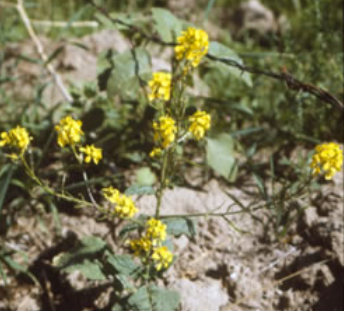
Foods really do have the power to fight disease, including cancer.
A study of rats showed that mustard seed powders could successfully stop the growth of cancer and also stop it from spreading. Supporting the assertion that food has powerful healing potential, it was the food itself that helped these animals, not the purified form of the compound. The cancer in the rats taking mustard seed grew one third slower than the tumors in the rats who did not eat the plant.
Read More »
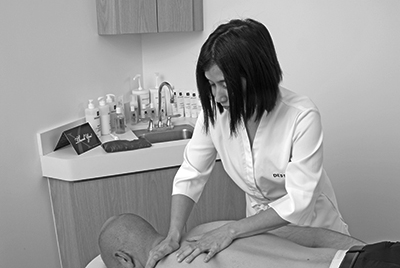
Acupressure – using the fingers to stimulate acupuncture points along the body’s energy meridian system – has been found to improve brain activity in those suffering from mild traumatic brain injuries.
The study, published in the Journal of Neurotrauma, involved the Jin Sin style of acupressure. Of the 38 subjects in the trial, some experienced treatments involving real acupuncture points while the rest of the participants received touch on other parts of the body. Those who received acupressure scored higher on memory and cognition tests.
Read More »
Natural Eye Care, Inc.
3 Paradies Lane
New Paltz, New York 12561
Phone: 845.475.4158

NaturalEyeCare™ started in 1999 to help the public and professionals learn about complementary care in eye disease treatment.
The information and recommendations we offer are based on over 30 years of peer review research and personal clinical experience which guides us in providing a valuable resource to our readers, customers and patients regarding maintaining healthy vision naturally.
We believe that vision health is intimately connected to overall mental, physical and spiritual health. Therefore we encourage people to look at their overall lifestyle and diet as part of keeping healthy vision and reducing the risk of eye disease onset. This includes diet, regular exercise, and management of daily stress. If one has health issues such as high blood pressure, a thyroid imbalance, any autoimmune disease and/or are on medication(s), these possible contributions to eye disease should considered when working with your health care professional.
Please do not hesitate to call us at 845.475.4158 with any questions and concerns.