

The immune system can respond to the balance of intestinal bacteria. Researchers find that stress is the main factor in the upset of that internal sense of balance.
According to scientists from Ohio State University “Stress changes the composition, diversity and number of intestinal bacteria… The communities of bacteria become less varied, and there are greater numbers of potentially harmful bacteria.”
A news release from the publishing journal Brain, Behavior, and Immunity quotes lead researcher Michael Bailey, “When we reduced the number of bacteria in the intestines using antibiotics, we found that some of the effects of stress on the immune system were prevented.
Read More »

A genetic glitch may be responsible for incidents of cataracts in children.
According to a press release from Maine’s Jackson Laboratory, researchers have found that RNA granules, which are key components in the reproduction of genes, might be linked to eye development. Problems with RNA granules can result in juvenile cataracts and glaucoma. If there is a problem with a key gene, Tdrd7, the development of the lens of the eye will be compromised, leading to these potentially blinding conditions.
Read More »

Another major study describes how some of the spices in your kitchen can help treat diabetes.
Garlic, ginger, and turmeric were found to have positive effects on diabetic rats. The study, published in the British Journal of Nutrition (2011), 105: 1210-1217, finds that ingesting these common spices helped the animals who suffered from metabolic syndrome and helped modulate oxidative stress levels.
Rats who took the spices in powder form mixed with water for 28 days showed a 80-97% reduction in metabolic syndrome symptoms. The animals’ insulin production increased by 26-37% and their antioxidant defense systems were boosted by up to 52%.
Read More »
Your eye doctor can help to detect whether you have diabetes.
When an optometrist dilates your eyes prior to an eye exam it makes it easier for her to look at the condition of your retina. She can look for and readily detect early signs of diabetic retinopathy that indicate that you have diabetes. Such signs include leaking blood vessels in the retina, swelling of the retina and deposits on the retina. The retina is the only part of the body where blood vessels can be observed without looking through the skin. This window into the state of your heath is a wonderful early detection system.
Read More »
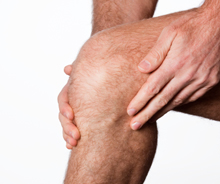
There is more evidence supporting the power of the mind-body connection.
A new study finds that depression can cause an increase in the pain associated with arthritis of the knee.
A study in South Korea of 660 men and women over age 65 suffering from osteoarthritis of the knees were evaluated using X-rays. They were also screened for depression. Those with joint damage were more likely to report high levels of pain, which one would expect. Researchers also discovered, however, that people with depression who seemed to have mild cases of arthritis based on the X-rays had much higher levels of reported pain.
Read More »
Natural Eye Care, Inc.
3 Paradies Lane
New Paltz, New York 12561
Phone: 845.475.4158

NaturalEyeCare™ started in 1999 to help the public and professionals learn about complementary care in eye disease treatment.
The information and recommendations we offer are based on over 30 years of peer review research and personal clinical experience which guides us in providing a valuable resource to our readers, customers and patients regarding maintaining healthy vision naturally.
We believe that vision health is intimately connected to overall mental, physical and spiritual health. Therefore we encourage people to look at their overall lifestyle and diet as part of keeping healthy vision and reducing the risk of eye disease onset. This includes diet, regular exercise, and management of daily stress. If one has health issues such as high blood pressure, a thyroid imbalance, any autoimmune disease and/or are on medication(s), these possible contributions to eye disease should considered when working with your health care professional.
Please do not hesitate to call us at 845.475.4158 with any questions and concerns.