
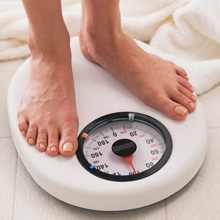
 Did you over-indulge in too many high-calorie foods over the holidays? Put on a few extra pounds? Two-thirds of American adults are overweight or obese, and a few extra pounds add up to health risks. However, drinking green tea may help fight body fat and also lower cholesterol levels.
Green tea is lower in caffeine than coffee, so it makes a great coffee substitute. A high intake of caffeine can cause nervousness, dependence, and sleep problems.
A recent, small study on green tea in Japan showed that taking green tea extract was associated with losing body fat and weight. The more green tea extract the study participants took, the bigger the effect. The subjects also had lower LDL cholesterol and lower blood pressure (to counteract hypertension).
Read More »

Does the idea of flying out to spend the holidays with family and friends make your eyes mist up?
Good! You’re going to need the moisture!
One of the biggest challenges with air travel is to prevent dry eyes. Why?
You are probably used to a relative humidity above 40%. If you have a hygrometer or humidity sensor in your house, you are in the habit of monitoring your home’s relative humidity.
Read More »

Blepharitis is an inflammatory condition that affects lids of the eye. There are several types of blepharitis. Blepharitis can be caused by infections, allergies, irritations, insect bites, clogged oil glands in the eyelid, etc.
Symptoms vary, but can include swelling, itching, redness, blurry vision, irritation, scaling and crusty lashes. Blepharitis can occur alongside chalazions and styes. Only an eye doctor can accurately diagnose blepharitis, because its symptoms are similar to many other eye conditions.
The unfortunate fact about Blepharitis is that it is becoming increasingly common.
Read More »

The rise of myopia, also known as shortsightedness, has increased significantly in the past 30 years in the United States. Time spent outdoors has dropped off in this time period. Researchers at the National Eye Institute conducted a study of children and teens that shows a possible link between less time spent in outdoor activity and myopia.
In the early 1970’s, 25% of 12 to 54 year olds in the United States had myopia. In 1999-2004, that figure was 42%, a huge increase.
Read More »
The FDA has issued a Class I recall of certain contact lenses in the AvairaTM line. The lenses may be contaminated with the residue of silicone oil. These contaminated CooperVision contact lenses can cause problems, including severe pain, blurred vision and eye injuries, including torn corneas. Not all users of the contaminated lenses experience symptoms.
The recall started with just one type of lens in August 2011, and has been expanded as of November 2011 to include certain packages of Avaira Toric and Avaira Sphere contact lenses. These lenses are used to
Read More »
As the “Baby Boomer” generation in the United States approaches their 60’s and beyond, the incidence of eye disease in this aging population will rise. Eye problems become more prevalent as an individual ages. What are the most common eye diseases in older people? How can eye geriatric eye disease be prevented and addressed naturally? And what does Baby Boomer natural eye care look like?
Read More »
In animal studies at the Beckman Research Institute, feeding blueberry powder to lab mice markedly reduced the growth and spread of very aggressive triple negative breast cancer cells.
This form of breast cancer applies to 10 – 15% of all breast cancer incidences. Normally, the best treatments for breast cancer target estrogen receptors, human epidermal growth factor receptor 2 (HER2), and progesterone receptors. But, triple negative breast cancer doesn’t have these receptors and is thus very resistant to traditional chemo-therapy and is more likely to return.
Read More »
Eye floaters are clumps of protein that may look like dots, squiggles, strands or any of a hundred other shapes. Though annoying, floaters are harmless, and there are ways to prevent them through proper diet. They commonly result from the natural aging process where the vitreous gel (that keeps the shape of the back of the eyes) starts to liquefy, resulting in gel pulling on the retina (people who are nearsighted are also at a greater risk of eye floaters). This results in protein debris being released into the vitreous gel that are referred to as “floaters”.
Read More »

The brain and the body are in constant relationship. This truth is further supported by the recent study published in General Hospital Psychiatry that describes how people who suffer from both depression and diabetes are more likely to end up with diabetic retinopathy.
In a study that controlled such factors as obesity, smoking, and activity, diabetic retinopathy was linked to occurrences of depression. Over the five year trial, almost one quarter of patients with depression developed the eye disease compared to less than 20% of those who did not have depression. Researchers extrapolate that depression increases one’s risk of developing retinopathy by 15%.
Read More »
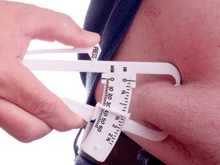
Don’t just take it from us that glaucoma risk increases in those who have diabetes, high blood pressure, and who are overweight. Researchers publishing in the journal Ophthalmology have found that these conditions, which together are labeled “metabolic syndrome” are all linked to the development of open-angle glaucoma.
A staggering 20% of people in America are said to have metabolic syndrome. Both metabolic syndrome and glaucoma are associated with aging, so, as the US population gets older, scientists believe that both conditions with become more prevalent.
Read More »
Natural Eye Care, Inc.
3 Paradies Lane
New Paltz, New York 12561
Phone: 845.475.4158

NaturalEyeCare™ started in 1999 to help the public and professionals learn about complementary care in eye disease treatment.
The information and recommendations we offer are based on over 30 years of peer review research and personal clinical experience which guides us in providing a valuable resource to our readers, customers and patients regarding maintaining healthy vision naturally.
We believe that vision health is intimately connected to overall mental, physical and spiritual health. Therefore we encourage people to look at their overall lifestyle and diet as part of keeping healthy vision and reducing the risk of eye disease onset. This includes diet, regular exercise, and management of daily stress. If one has health issues such as high blood pressure, a thyroid imbalance, any autoimmune disease and/or are on medication(s), these possible contributions to eye disease should considered when working with your health care professional.
Please do not hesitate to call us at 845.475.4158 with any questions and concerns.