
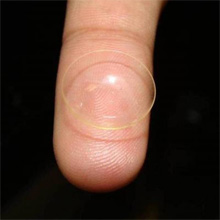
 Treatment for the second leading cause of vision loss and blindness, glaucoma, may be improved with a new type of contact lenses that are loaded with Vitamin E. These new Vitamin E contact lenses may serve as delivery devices to treat glaucoma and other eye diseases such as dry eye and cataracts.
Medicated eye drops are typically prescribed as the primary treatment for glaucoma; however, the medicine is washed away in 2 to 5 minutes and most of it doesn’t reach the target tissues. Instead, most of eye drops enter the blood stream, where they may cause unwanted side effects.
 A new study published in the November 2011 Journal of Optometry confirms improved vision in elderly patients with early Macular Degeneration through nutritional supplementation with Zeaxanthin (a carotenoid in the family of lutein).
The Zeaxanthin and Visual Function Study (ZVF), conducted by eye nutrition pioneer Stuart Richer, PhD, OD at the Veterans Administration Hospital in Chicago, shows scientific evidence that dietary Zeaxanthin improved vision in night driving and fine detail, among others.
 Eye floaters are imperfections in the eye that look like dark shapes. They are made of protein and other discarded cell material. Although you may perceive them as being in front of the lens, they are in fact on the inside of the eye.
The vitreous humour is the gel-like ball inside the eye. Most children and young people do not see floaters, but over time, bits of debris are discarded by the vitreous humour or retina that causes protein (connective tissue) to be released. They float around inside the vitreous humour and cast shadows, obscuring vision in certain lighting conditions.
Read More »
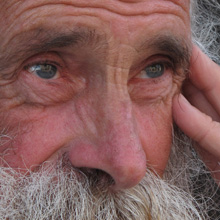 A study indicates that melatonin supplements may slow and even reverse the effects of age-related macular degeneration (ARMD). ARMD is the leading cause of serious vision loss in elderly persons.
The symptoms of ARMD include seeing wavy lines that should be straight, blurred text, and/or dark or empty spaces in the center of the field of vision. The cells that sense light in the eye’s macula stop functioning correctly and after some time, they do not work at all. A simple visual test called the Asmler grid is an effective screening for age-related macular degeneration.
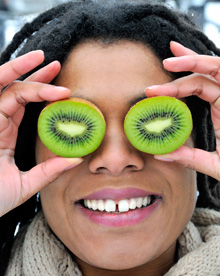 A recent study showed that bipolar children spend less time making eye contact with people – looking at their eyes – versus typical children. Instead of looking at the eyes, bipolar children and children with severe mood dysregulation in the study spent less time looking at the eyes when observing faces. Instead, they spent more time with their eyes on the mouth and nose.
U.S. National Institute of Mental Health investigators suggested the eye contact habits of bipolar children as a possible explanation why these children have trouble determining how other people feel.
Read More »
 A new study in the journal Free Radical Biology & Medicine compared the effects of lutein to grapes on the eyes. Grapes won out, providing more protection against oxidative damage to the retina than the nutrient lutein.
Mice were broken into two groups: on had a diet high in grapes, and the other received lutein, a plant chemical that recommended for eye health. The mice who ate grapes were less likely to go blind.
Grapes are rich in anti-oxidants, which fights free radical damage.
Read More »
 Do your eyes spend more than 4 hours a day looking at the screen of an electronic device? If so, you are at risk for computer vision syndrome. Computer vision syndrome symptoms include eye strain, fatigue, dry eyes and headaches from staring at a screen too long.
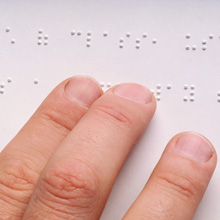 Increase in the delivery of a treatment for neovascular age-related macular degeneration (wet AMD) has resulted in a significant 50% reduction of new cases of blindness in Denmark, according to a study published in the American Journal of Opthamology. Age-related macular degeneration is the most common cause of blindness in the West. Specifically, AMD patients lose reading vision and their ability to drive, resulting in revocation of their drivers’ license.
Wet AMD is the most serious type of macular degeneration. Abnormal blood vessels start to grow in the eye, toward the yellow spot in the middle of the retina called the macular. The macular provides the most visual acuity, as well as perception of color. Wet AMD results in quick and severe loss of vision.
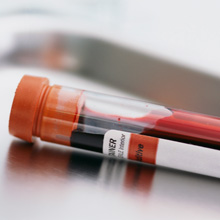 Patients taking statin drugs to lower cholesterol might be more likely to get muscle injuries, especially elderly patients.(1) Side effects and adverse reactions, according to other research, may include increased stroke risk, higher risk of Type II Diabetes, low iron, pancreatic dysfunction, sexual dysfunction, suppressed immune system, muscle pain, and more.
Be aware that increased incidence of cataracts may also be linked with statin drugs. A study(2) suggests that statin drugs are associated with an increased risk of cataracts in both men and women. In the study, cataracts risk went up within 12 months of starting statin drugs, continued while taking the drug, and dropped back to normal
Read More »
 When you are in your 30’s, your skeletal muscle mass will peak. After that, they will reduce slightly in number and size every year. By the time you are in your 50’s, 15% of muscle mass may be lost, and by your 80’s, as much as 30% of muscle mass may be lost.
Obviously, strength training is crucial to strengthen your muscles and increase their size. Being strong and fit helps maintain good health and energy, reduces osteoporosis and cardiovascular disease, burns calories for weight management, improves sleep, cuts cancer risk, and much more!
Everyone should make exercise a priority throughout their lives. However, up to 75% of older Americans do not get enough exercise.(1)
Read More »
Natural Eye Care, Inc.
3 Paradies Lane
New Paltz, New York 12561
Phone: 845.475.4158

NaturalEyeCare™ started in 1999 to help the public and professionals learn about complementary care in eye disease treatment.
The information and recommendations we offer are based on over 30 years of peer review research and personal clinical experience which guides us in providing a valuable resource to our readers, customers and patients regarding maintaining healthy vision naturally.
We believe that vision health is intimately connected to overall mental, physical and spiritual health. Therefore we encourage people to look at their overall lifestyle and diet as part of keeping healthy vision and reducing the risk of eye disease onset. This includes diet, regular exercise, and management of daily stress. If one has health issues such as high blood pressure, a thyroid imbalance, any autoimmune disease and/or are on medication(s), these possible contributions to eye disease should considered when working with your health care professional.
Please do not hesitate to call us at 845.475.4158 with any questions and concerns.