

Diabetic Retinopathy is damage to the retina from poor blood sugar control. All types of chronic diabetes can cause retinal damage. The retina, at the back of the eye, is neural tissue. Tiny blood vessels, called capillaries, in the retina swell and leak. How often should diabetic patients visit their eye doctors? What are the four stages of diabetic retinopathy?

When you’re feeling low, some chocolate can often perk you up.
If you are someone who suffers from chronic fatigue syndrome, the flavonoids in chocolate may actually help alleviate your symptoms.
A study published in Nutrition Journal describes how chocolate with high cocoa liquor counts that is rich in polyphenols was more effective in helping subjects manage their chronic fatigue symptoms over eight week periods than those taking “regular” chocolate.1
Read More »

The genetic eye disease Retinitis Pigmentosa is the target of gene editing research on human embryos by Dr. Dietrich Elgi at Columbia University. National Public Radio reported on this research1 shortly after a Chinese scientist announced he had created the world’s first two gene-edited babies.2 Both scientists use the CRISPR tool to genetically modify human embryos. However, the experiments at Columbia are for research purposes only. These embryos are destroyed within one day for study.

N-Acetyl-Carnosine eyedrops have been shown to stabilize, protect against, and even improve cataracts. Carnosine, found in muscle and brain tissue, is a dipeptide composed of the amino acids beta-alanine and histidine. Researchers have studied carnosine in its various forms for decades. Its positive effects on cataracts are being revealed by numerous studies.
 Glaucoma is an eye disease typically associated with high intraocular pressure, but managing glaucoma is more than decreasing eye pressure. Some cases of glaucoma have normal or low intraocular pressure. Natural approaches to glaucoma care, in addition to standard ophthalmology, can help reduce vision loss. The purpose of treatment is to slow down the damage. What are the symptoms of glaucoma? What causes it? How is glaucoma detected? What is the prognosis? How can decreasing intraocular pressure help? And how can you try to reduce vision loss?
Read More »
 As the New Year approaches, resolve to improve your vision health. Dr. Marc Grossman and Michael Edson, co-authors of Natural Eye Care 2nd Edition, developed this checklist of New Year resolutions for vision health. Pick one or more resolution. Regardless of your age, you can reduce your risk of developing eye disease. Eye disease such as cataracts, macular degeneration, and glaucoma are prevalent in seniors. A few simple steps can help preserve the precious gift of sight.
Read More »
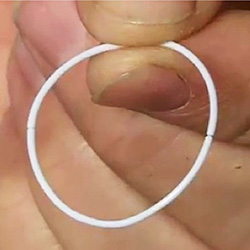 A new medicated ring could replace drops for open-angle glaucoma patients. Impregnated with the glaucoma drug Bimatoprost, the flexible ring is inserted under the eyelids. The Bimatoprost Ring works for six months, delivering pressure-reducing medication directly to the eye. Glaucoma patients currently depend on medicated drops, multiple times per day, to control their condition. Up to half of glaucoma patients do not use their drops correctly. Therefore, a long-acting medicated glaucoma ring could improve their prognosis.
Read More »
 You may have heard that French Maritime pine bark extract, or Pinus pinaster, can reduce atherosclerosis. Hardening of the arteries is a leading cause of heart attacks and stroke. The middle-aged and seniors are vulnerable to high cholesterol, high blood pressure, and high blood sugar. Diet, exercise, and weight management are important for controlling metabolic syndrome. Additionally, this extract has been shown to alter fat metabolism and inflammation that are factors in atherosclerosis. How does French Maritime Pine bark extract address plaque build-up in the arteries?
Read More »
 Docosahexaenoic acid or DHA is a naturally-occurring chemical, so why might seniors need to supplement it? Our bodies create small amounts of this omega-3 fatty acid. DHA from the diet, such as seafood, also counts. Docosahexaenoic acid is crucial to brain development in infants, and it is found in large quantities in the brain and retina. Researchers have found that consuming extra DHA can fight eye disease. How much docosahexaenoic acid do you need to get these effects? Can you get enough through your diet, or do you need to supplement DHA for optimum health?
Read More »
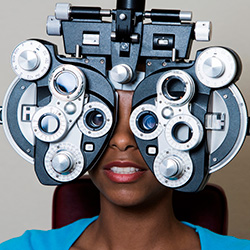 Regular eye exams improve quality of life, but how often do you need an eye exam? No one wants to waste time and money on unnecessary vision screenings and exams. On the other hand, eye exams can catch minor problems before they become major problems.
Many eye problems have subtle symptoms or no symptoms at all.
Read More »
Natural Eye Care, Inc.
3 Paradies Lane
New Paltz, New York 12561
Phone: 845.475.4158

NaturalEyeCare™ started in 1999 to help the public and professionals learn about complementary care in eye disease treatment.
The information and recommendations we offer are based on over 30 years of peer review research and personal clinical experience which guides us in providing a valuable resource to our readers, customers and patients regarding maintaining healthy vision naturally.
We believe that vision health is intimately connected to overall mental, physical and spiritual health. Therefore we encourage people to look at their overall lifestyle and diet as part of keeping healthy vision and reducing the risk of eye disease onset. This includes diet, regular exercise, and management of daily stress. If one has health issues such as high blood pressure, a thyroid imbalance, any autoimmune disease and/or are on medication(s), these possible contributions to eye disease should considered when working with your health care professional.
Please do not hesitate to call us at 845.475.4158 with any questions and concerns.