
 The US Department of Health and Human Services (HHS) released its long-awaited update to the nation’s dietary guidelines on January 7, 2026, promising a “historic reset” that puts real, minimally processed food back at the center of American nutrition policy 1. Chronic diseases like heart disease, diabetes, and obesity are high, and these guidelines aim to “Make America Healthy Again.”
On the other hand, the Mediterranean Diet is popular for its proven benefits in reducing the risk of chronic diseases and promoting long-term wellness. It focuses on plant-based meals, healthy fats, and a balanced lifestyle. At Natural Eye Care, we adapted the Mediterranean Diet specifically for people with vision issues and called it the Vision Diet. This diet includes additional recommendations on antioxidant intake, organic foods, and avoiding certain additives and fats 2.
Read More »
 As the Earth orbits the Sun, the Sun’s angle changes the quality of light. How do the Spring, Summer, Winter, and Fall seasons of the year affect the eyes? Seasonal changes in light affect human vision by altering color perception. Yellow seems greener in the summer, and redder in the winter. In the fall and winter, lower sun angles increase glare and eye strain. This can affect visual sensitivity by increasing or decreasing dryness or brightness shifts. The less-intense winter light can affect sleep cycles. These changes in seasons and light can also affect sleep patterns (circadian rhythms).
Your visual system must adapt to all these changes. In this article, you will learn how light changes throughout the year, how it affects your eyes, how it can make vision problems more pronounced, the pros and cons of bright lights for Seasonal Affective Disorder, and antioxidants for reducing glare.
Read More »
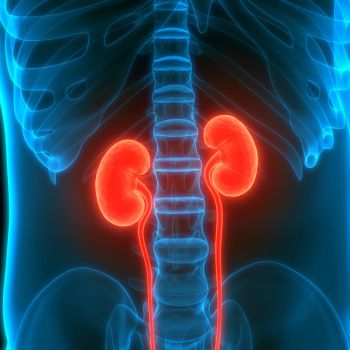 The kidneys play a crucial role in supporting brain health and maintaining optimal vision. In this article, we will examine the flow of vital energy in Traditional Chinese Medicine and look at the latest findings on Parkinson’s Disease. Find out how the intricate relationships between the kidneys, brain, and eyes can help you stay healthier as you age.
According to Traditional Chinese Medicine, meridians run throughout the body, with many going to the eyes. Therefore, healthy meridian flow is essential for helping maintain and support healthy vision and overall health.
Read More »
 Artificial sweeteners have long been marketed as a “healthier” alternative to sugar, especially for those managing diabetes, obesity, or simply aiming to cut calories. But as we explored in a previous article, mounting research suggests these sugar substitutes may come with hidden health risks that cannot be ignored.
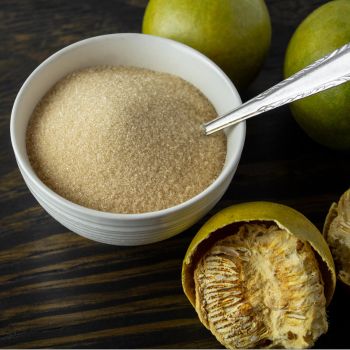
Now, new evidence is shining a spotlight on erythritol—a sugar alcohol commonly found in low-calorie snacks, drinks, and specialty foods. While erythritol is often promoted as a safe, natural option, recent studies suggest it may have unexpected and serious effects on our health, particularly when it comes to brain and cardiovascular function. In this article, we’ll unpack the latest research, explore how artificial sweeteners could affect not just your body but also your vision, and share safe, natural alternatives for those seeking a genuinely healthy way to satisfy their sweet tooth.
Read More »
 A new study has found a link between vascular diseases, specifically high blood pressure, diabetes, and increased risk for dementia. Vascular risk factors were higher in both female and Black participants, as well as non-carriers of the APOE ε4 gene, which is linked with an increased risk of Alzheimer’s.1
The statistical results of this cohort study suggest that between 22% and 44% of incident dementia cases by 80 years old were attributed to midlife and late-life vascular risk factors.

One important concept for maintaining eye health is understanding the eye-brain connection. This pathway starts with light entering the eye and ends when your brain makes sense of the visual world around you. Disruption or damage at any point in the pathway distorts your perception. Therefore, maintaining the health of each part of the eye-brain connection pathway ensures accurate perception. Your vision accounts for around 80% of your perceptions, learning, and thinking. Maintaining your vision as you age improves your quality of life. Consider how your ability to drive, watch television, read, prepare food, walk in nature, shop, and recognize friends and loved ones enables you to live independently and passionately. At Natural Eye Care, we want you to have the best chance at maintaining healthy vision throughout your whole life.
Read More »
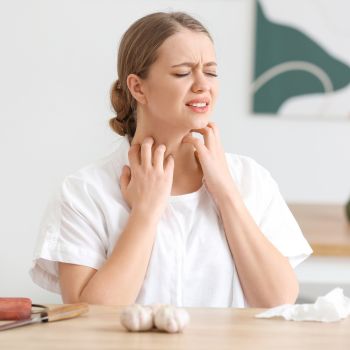 Allergies to food can cause eye symptoms, but food allergies can also lead to vision problems. Grouped with food allergies are food intolerances and food sensitivities. While food allergies are an immune system reaction, intolerances and sensitivities are related to the digestive system. In this article, we discuss how individuals with these food issues need to protect their eyes from harm.
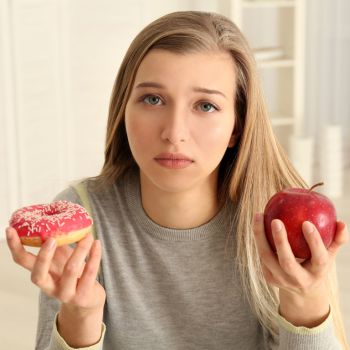 In the USA, our diets are usually high in ultra-processed foods, fat, sugar, salt, and empty calories. Poor nutrition has been linked to declines in mental health, increasing the risk of depression and anxiety. It can also compromise eye health, contributing to conditions like glaucoma, diabetic retinopathy, cataracts, and macular degeneration. A nutrient-poor diet can also impair brain, cardiac, and neurological function, weaken immunity, and contribute to obesity.
Read More »
 The brain and visual system rely on a significant portion of the nutrients you consume to maintain optimal health and function. Supporting the connections between the body, mind, and eyes is key to promoting healthy vision, preserving brain health, and reducing the risk of age-related eye and brain diseases. This includes macular degeneration, glaucoma, and cataracts, plus dementia and Parkinson’s Disease.
Many of these conditions stem from a lack of essential nutrients reaching the eyes and brain, leaving them deprived of what they need to thrive. Other factors, such as autoimmune diseases, cardiovascular issues, medications, chronic stress, a sedentary lifestyle, poor diet, inadequate sleep, and both genetic and epigenetic influences, can also play a role.
Read More »
Natural Eye Care, Inc.
3 Paradies Lane
New Paltz, New York 12561
Phone: 845.475.4158

NaturalEyeCare™ started in 1999 to help the public and professionals learn about complementary care in eye disease treatment.
The information and recommendations we offer are based on over 30 years of peer review research and personal clinical experience which guides us in providing a valuable resource to our readers, customers and patients regarding maintaining healthy vision naturally.
We believe that vision health is intimately connected to overall mental, physical and spiritual health. Therefore we encourage people to look at their overall lifestyle and diet as part of keeping healthy vision and reducing the risk of eye disease onset. This includes diet, regular exercise, and management of daily stress. If one has health issues such as high blood pressure, a thyroid imbalance, any autoimmune disease and/or are on medication(s), these possible contributions to eye disease should considered when working with your health care professional.
Please do not hesitate to call us at 845.475.4158 with any questions and concerns.