
 Brain fog can make it hard to recall words, concentrate, or complete everyday tasks. Even after spending enough time in bed, you might feel exhausted. Your eyes might feel dry, burn, or have trouble shifting focus.
What causes brain fog? Poor or broken sleep is one common cause. Sleep problems can affect your energy, memory, attention, and eye comfort. They can leave you feeling mentally cloudy and physically drained during the day.
Sleep problems are not the only possible explanation for tired eyes and brain fog. Diabetes, anemia, thyroid disorders, medications, nutritional deficiencies, and other health conditions can cause similar symptoms. In this article, we talk about symptoms of brain fog, poor sleep, and why tired eyes and brain fog often occur together. We also point out how excessive screen time can lead to brain fog. And we offer practical tips: eye exercises, easy lifestyle changes, nutritional support, and when to call a doctor.
Read More »
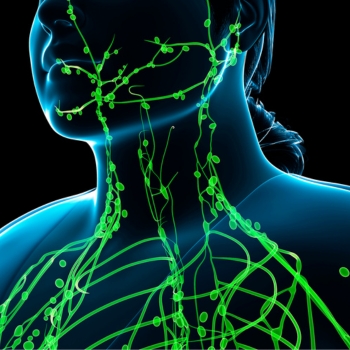
Detoxification is essential for maintaining health. It is the body’s natural process of identifying, breaking down, and eliminating potentially harmful substances. The liver does most of this work, while the kidneys, digestive system, lungs, skin, and lymphatic system help remove waste through urine, stool, breath, and sweat. The body continuously detoxifies itself; it does not require special cleanses or extreme diets to perform these essential functions. Several mechanisms in the body accomplish this work.
Two of the most important are the glymphatic and lymphatic systems.
The glymphatic system is the brain’s waste-clearance pathway. It relies on glial cells and cerebrospinal fluid to remove metabolic waste, especially during deep sleep.
Read More »
 This month, we’re focusing on understanding macular degeneration and the importance of early detection. We will explore natural approaches to manage this eye disease and support healthy vision.
Macular Degeneration is a leading cause of vision loss, primarily affecting central vision, and can lead to blindness if not properly managed. The macula is a yellowish spot at the center of the retina, where vision is sharpest. While genetics can play a role, macular degeneration often appears in those over 50 due to essential nutrients not reaching the eyes, particularly the retina. Factors like a sedentary lifestyle, poor diet, reduced nutrient absorption, certain medication side-effects, and health issues such as poor circulation and chronic inflammation can contribute to this condition.
Read More »
 Not all foods play well together. Meat and Potatoes. Surf and Turf. Chicken with Rice. Sounds yummy, right? However, proponents of food-combining diets would not combine protein with carbs, and or mix different types of proteins. Food combining advocates believe that eating certain types of food in the same meal can lead to disease, toxin buildup, and digestive issues. They also believe that proper combinations can help relieve these problems.
Food-combining principles first appeared in the Ayurvedic medicine of ancient India, but they became more widely popularized in the mid-1800s under the term “trophology,” or “the science of food combining.”
The principles of food combining were revived in the early 1900s by the Hay diet.
Read More »

What is the relationship between brain health and eye health as we age? Our brains adapt and form new connections throughout our lives. Nutrition, lifestyle choices, and early detection play major roles in keeping the brain healthy, and the eyes. Find out about Natural Eye Care’s holistic approach to brain and eye health.
Our brains have an incredible ability to adapt and change as we age. Brain plasticity means that our brains can rewire themselves and form new connections, even as we get older.
 At Natural Eye Care, we view vision health from a whole-body perspective. Eye studies can reveal how to manage the visual system. However, the health of the eyes is connected to overall health. The visual system requires as much as 25% of the nutrients we take into our bodies. The brain needs even more. How we take care of ourselves goes a long way in helping to preserve healthy vision. Personal care includes emotional balance, and lifestyle considerations such as eating a healthy diet, exercising regularly, and targeted supplementation.
Read More »
 Taurine is an amino acid that your body manufactures and obtains from food. Crucial to health, taurine has many benefits for the eyes, heart, and brain. It is also an antioxidant that reduces inflammation and bad cholesterol levels. However, seniors often have taurine levels that are 80% lower than younger people.1 2
Night vision, eye health, cardiovascular fitness, brain health, the gastrointestinal system, immunity, bones, and diabetes are all linked to taurine.3 This article covers the benefits of this amino acid and how to check your taurine levels. It also discusses ways to get extra taurine if needed.
Read More »
 Rod-Cone Dystrophy is a genetically-based deterioration of vision caused by damage to the photoreceptors in the eye. Rods and cones are the photoreceptor cells in the retina that give us daytime and night time vision. Genes that provide the blueprint for manufacturing proteins crucial to the eye’s rods and cones are damaged. Without enough of these proteins, vision deteriorates and blindness may result.
Much of the current research into rod-cone dystrophy is focused on genetic research. Scientists are busy identifying the faulty genes and how they function. Stem cells or other genetic therapy offers hope for a treatment and possibly cure in the future. In the meantime, nutritional and lifestyle choices may
Read More »
 Blue light is emitted from all handheld electronic devices as well as desktop and laptop computers and televisions. It is the shortest wave length light in the visible spectrum and causes significant damage to many parts of the eye seriously impacting present and future vision capacity. Damage from blue light from smartphones is particularly important because smartphones are often used in dim light and are used close to the eyes. Unlike ordinary computer vision fatigue, damage from blue light is serious, cumulative and irreversible.
Read More »
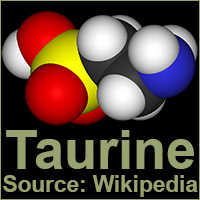 Your body is 1/1000th taurine, a chemical essential to life. The amino acid taurine is crucial for vision. It supports function of the heart, skeletal muscle, and the central nervous system.[1] The pancreas produces taurine, and taurine is a major component of digestive bile. The chemical can be ingested from meats, fish and supplements, such as pills and energy drinks.
In the 1970s, experiments on animals deprived of taurine found they did not develop proper vision. Since then,
Read More »
Natural Eye Care, Inc.
3 Paradies Lane
New Paltz, New York 12561
Phone: 845.475.4158

NaturalEyeCare™ started in 1999 to help the public and professionals learn about complementary care in eye disease treatment.
The information and recommendations we offer are based on over 30 years of peer review research and personal clinical experience which guides us in providing a valuable resource to our readers, customers and patients regarding maintaining healthy vision naturally.
We believe that vision health is intimately connected to overall mental, physical and spiritual health. Therefore we encourage people to look at their overall lifestyle and diet as part of keeping healthy vision and reducing the risk of eye disease onset. This includes diet, regular exercise, and management of daily stress. If one has health issues such as high blood pressure, a thyroid imbalance, any autoimmune disease and/or are on medication(s), these possible contributions to eye disease should considered when working with your health care professional.
Please do not hesitate to call us at 845.475.4158 with any questions and concerns.